


Moscow Memorials
Holocaust commemoration and World War II memorials in Victory Park on Poklonnaya Hill
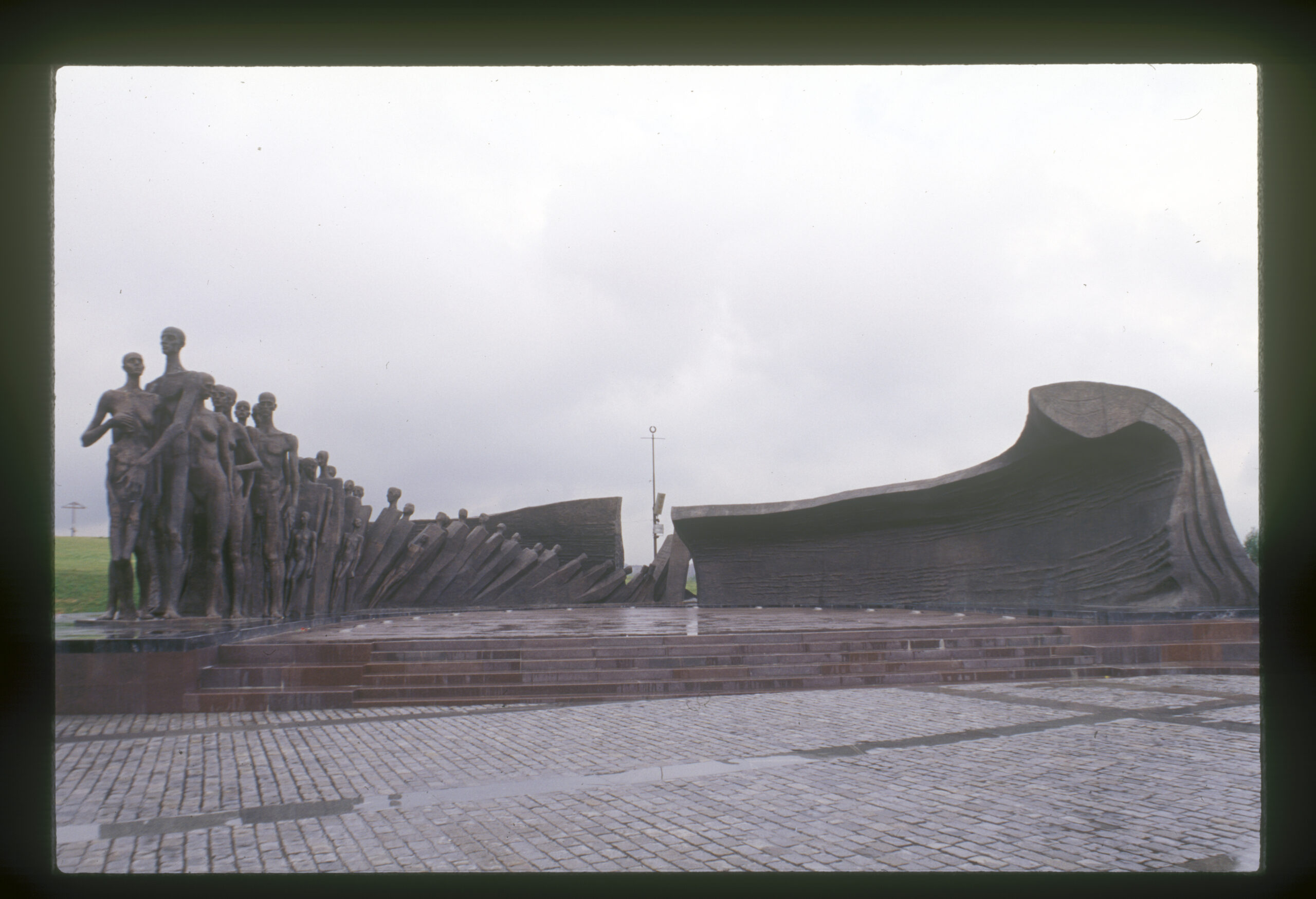
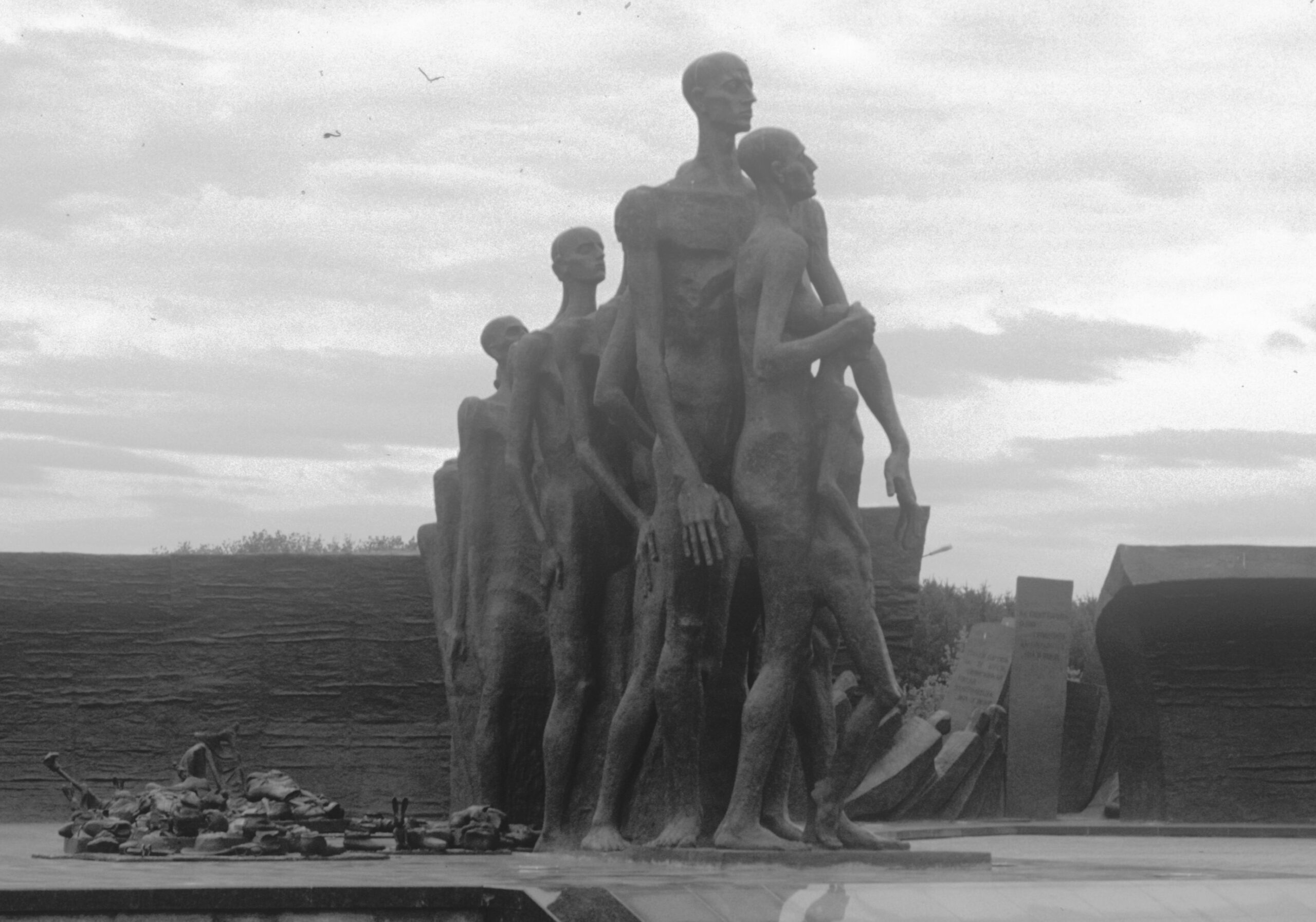
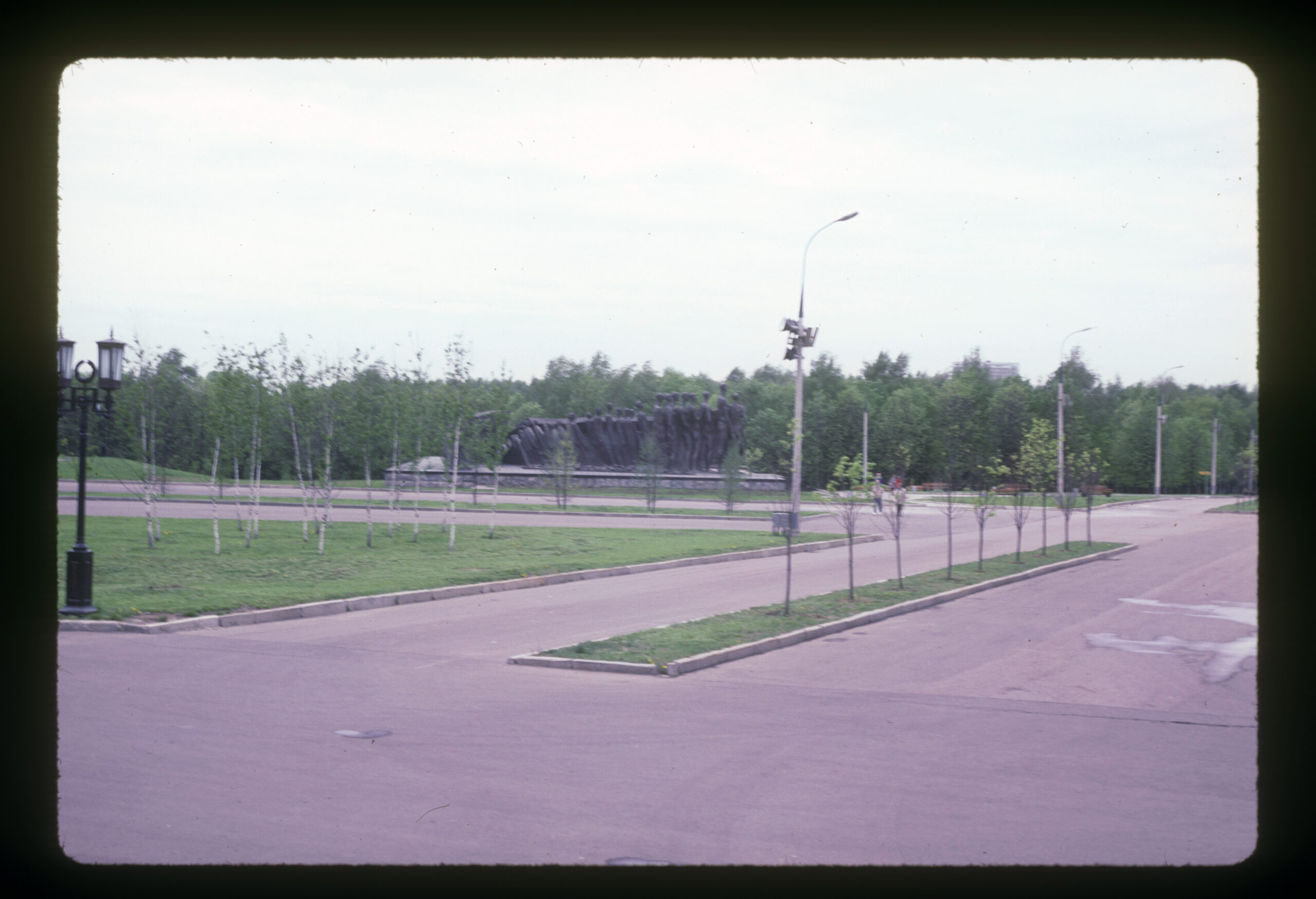
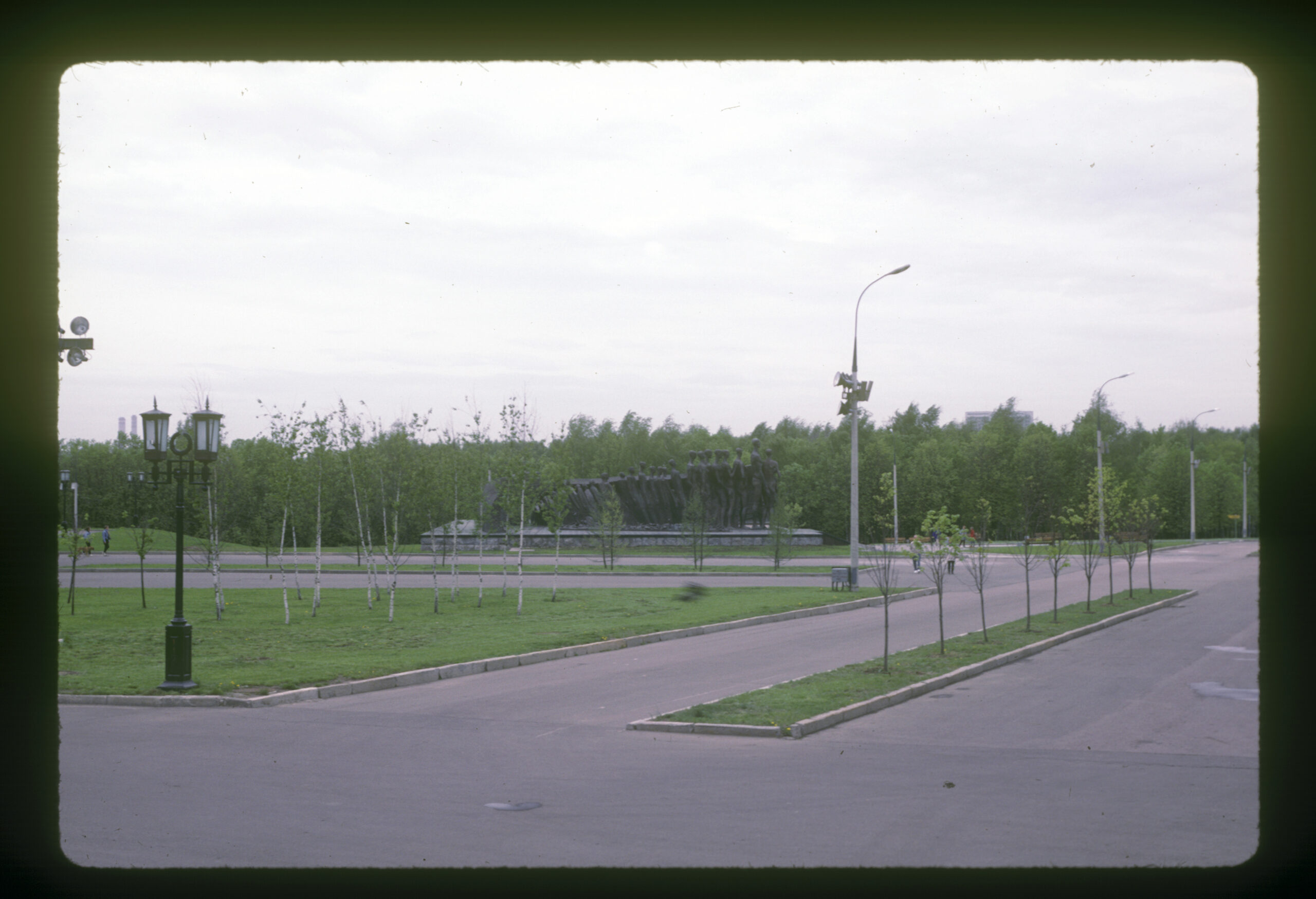
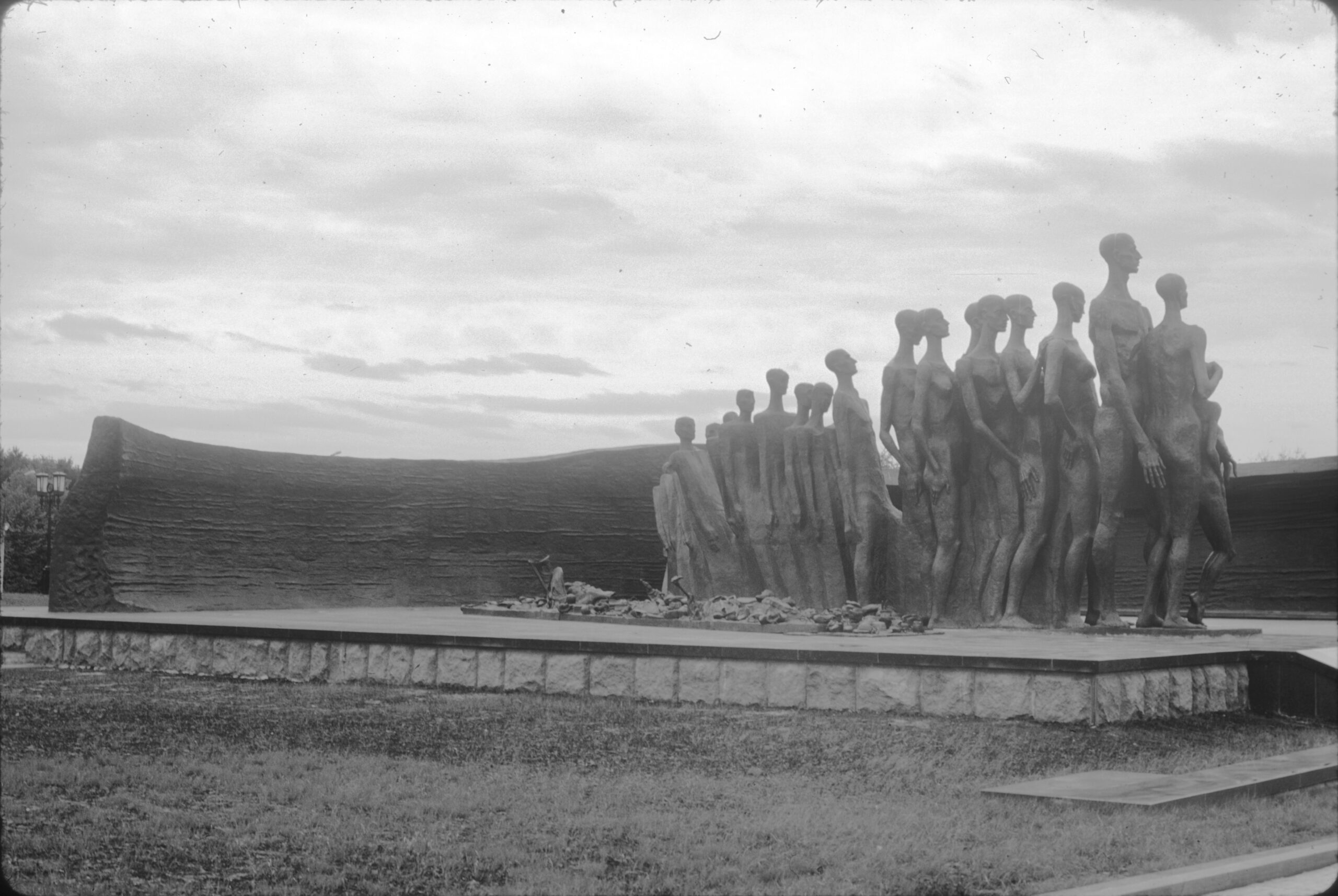
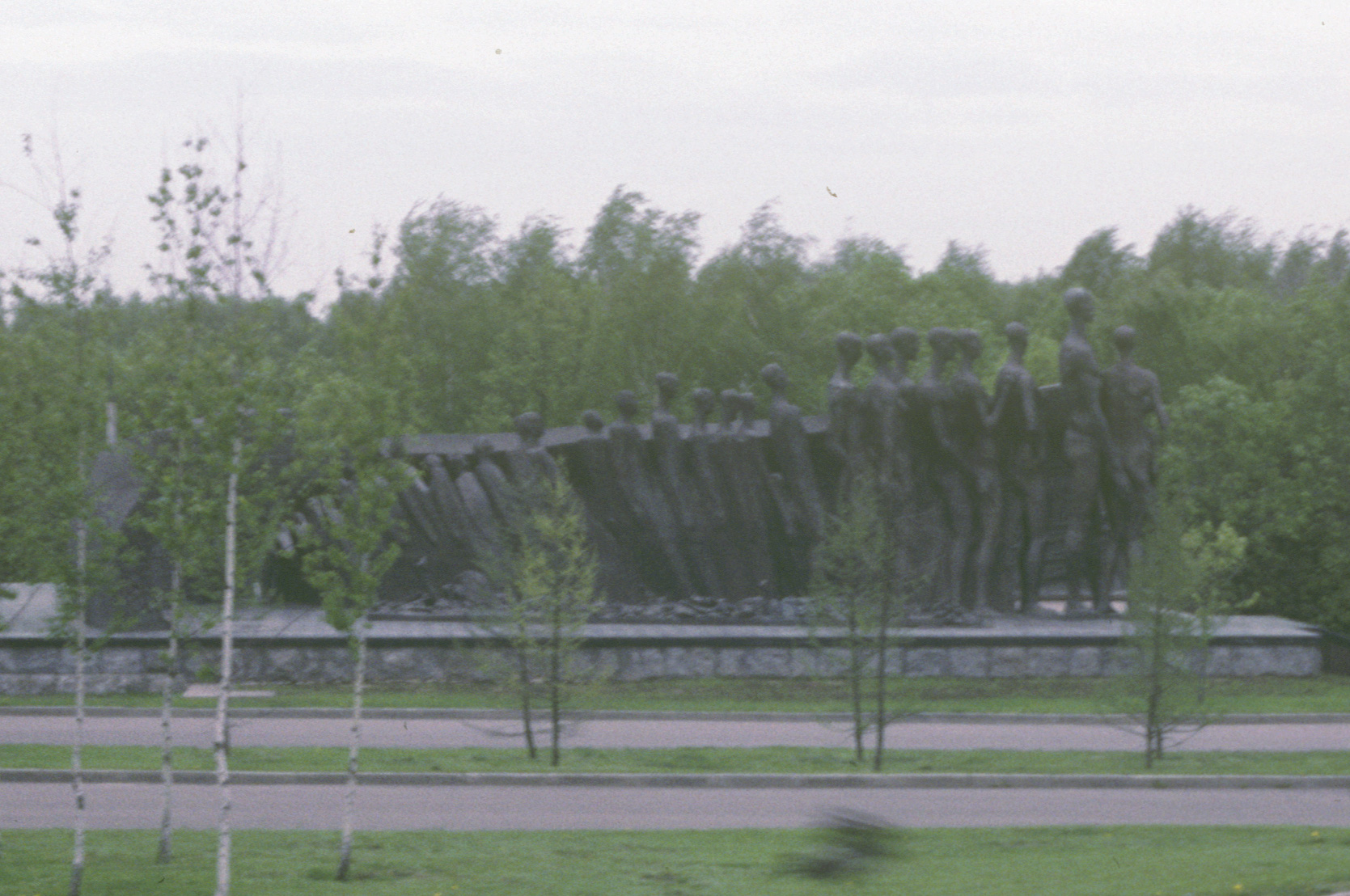
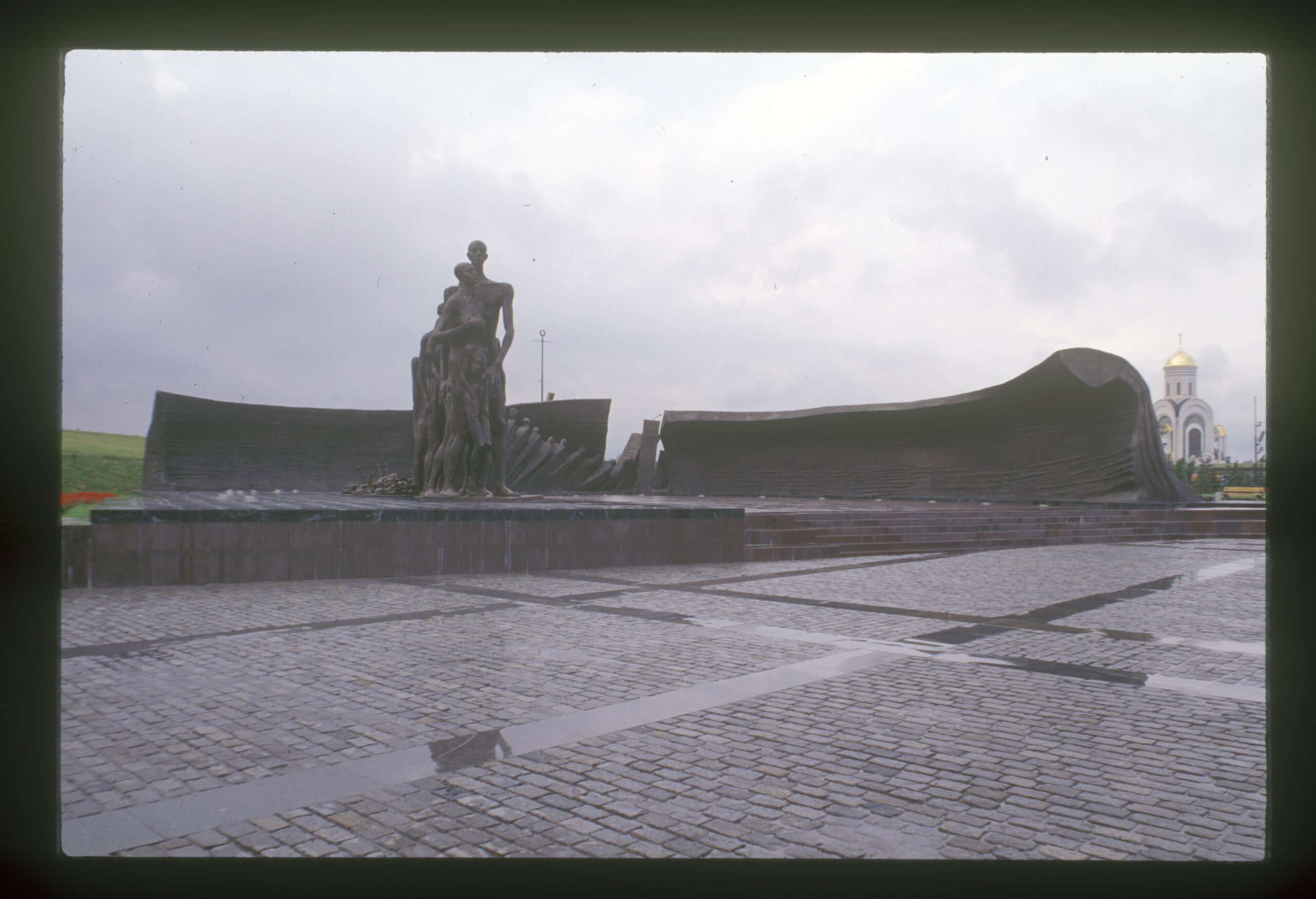
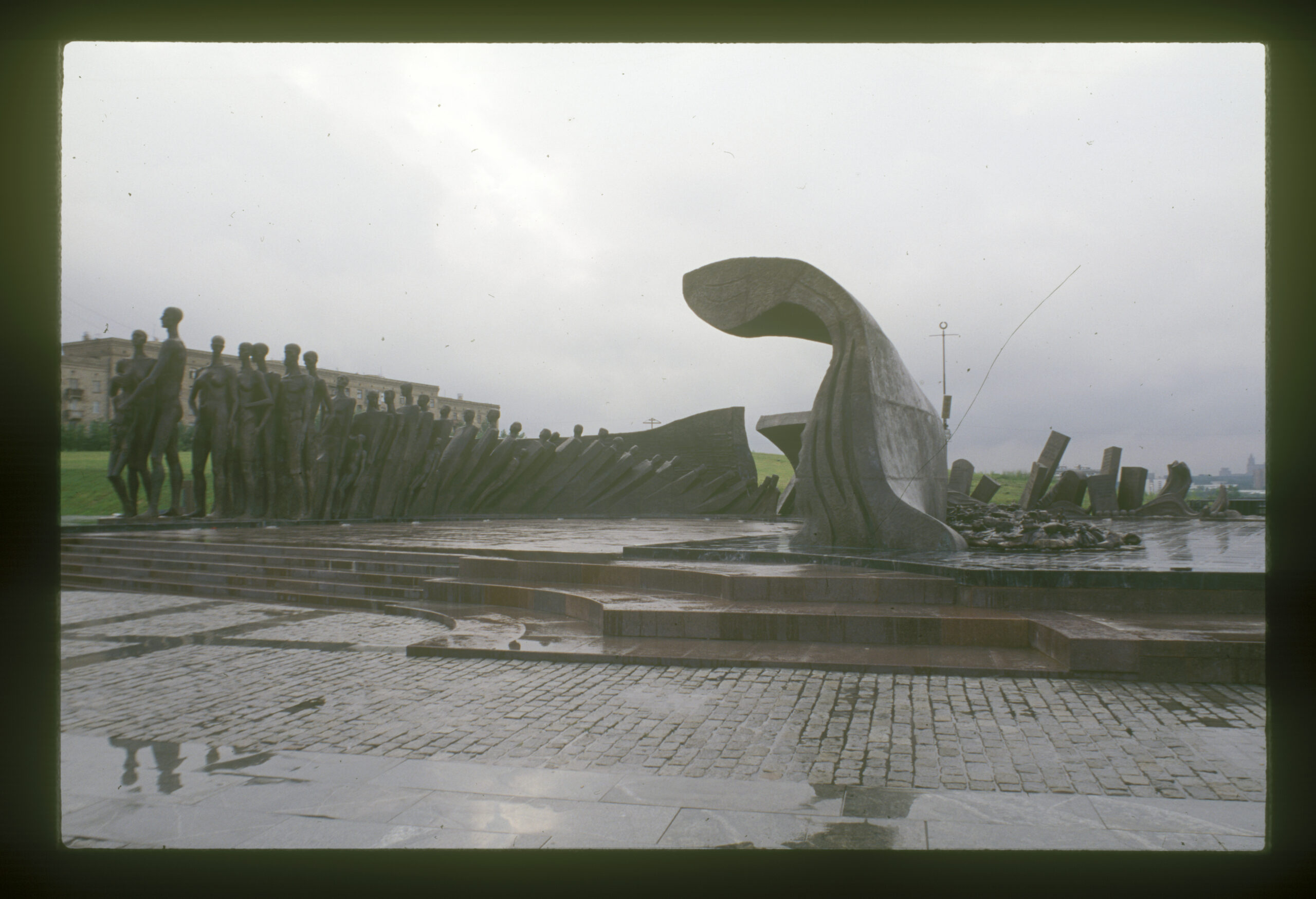
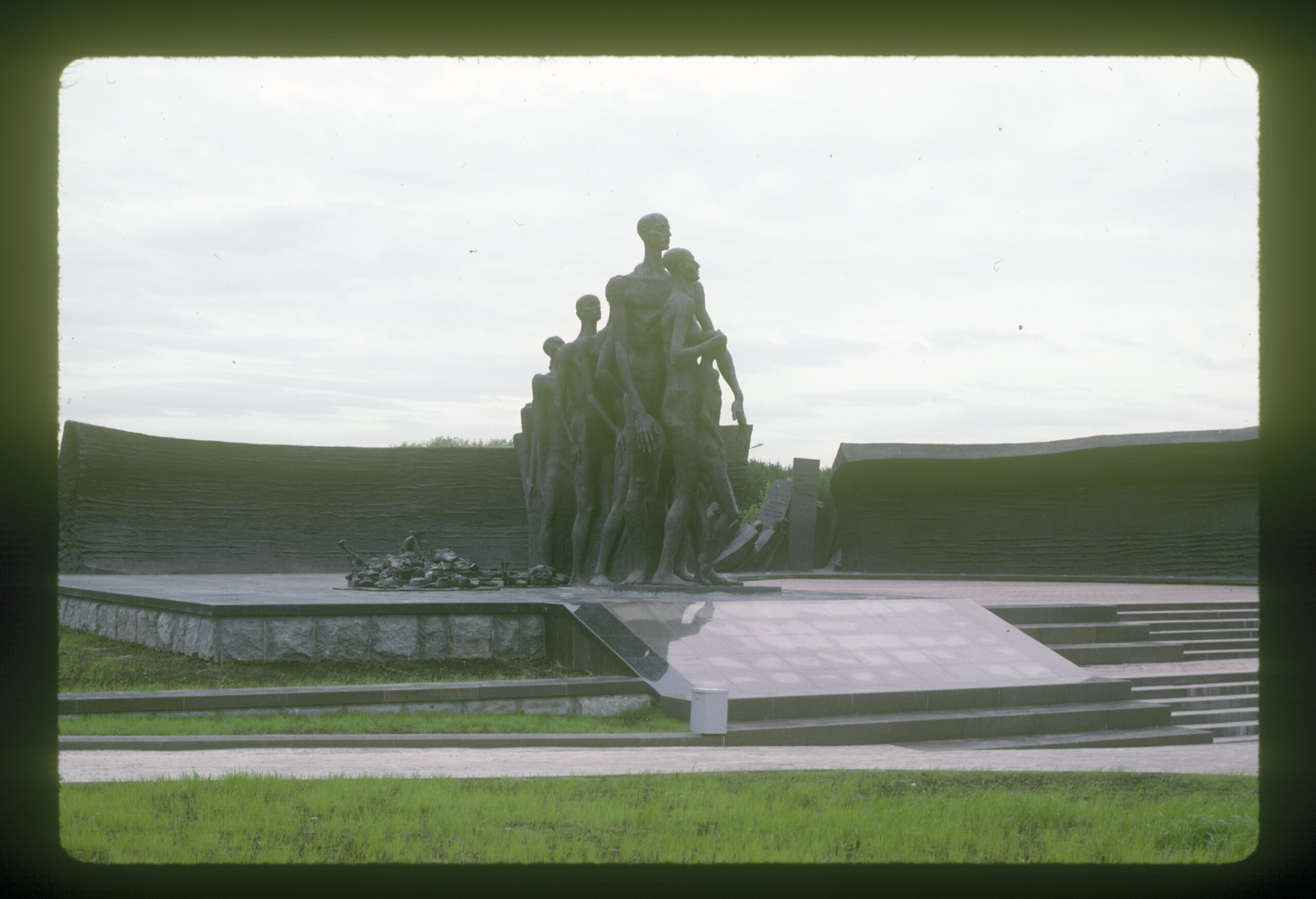
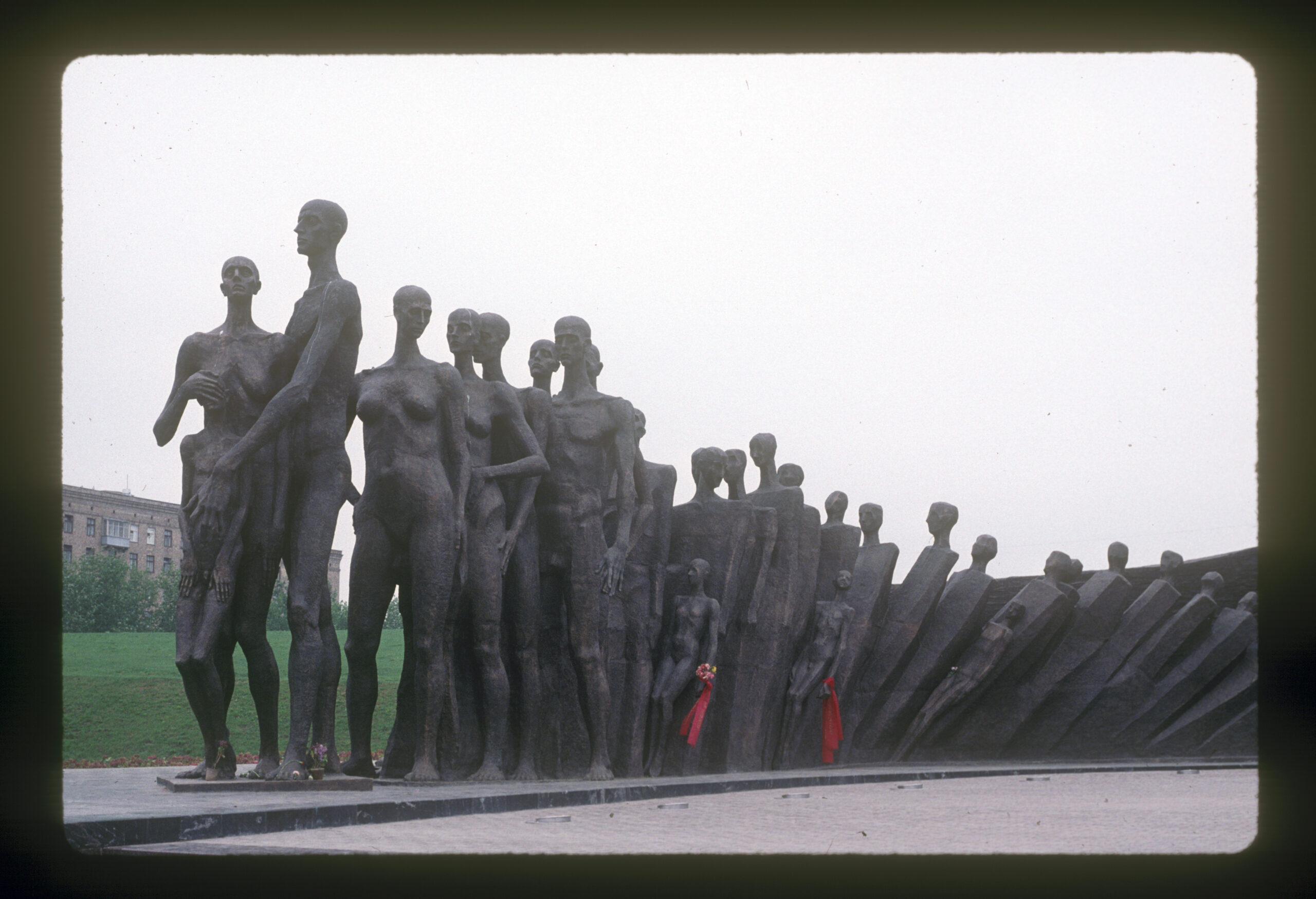
Tragedy of the Peoples
Poklonnaya Gora Memorial Complex • Sculptural Group by Zurab Tsereteli • Unveiled 1997
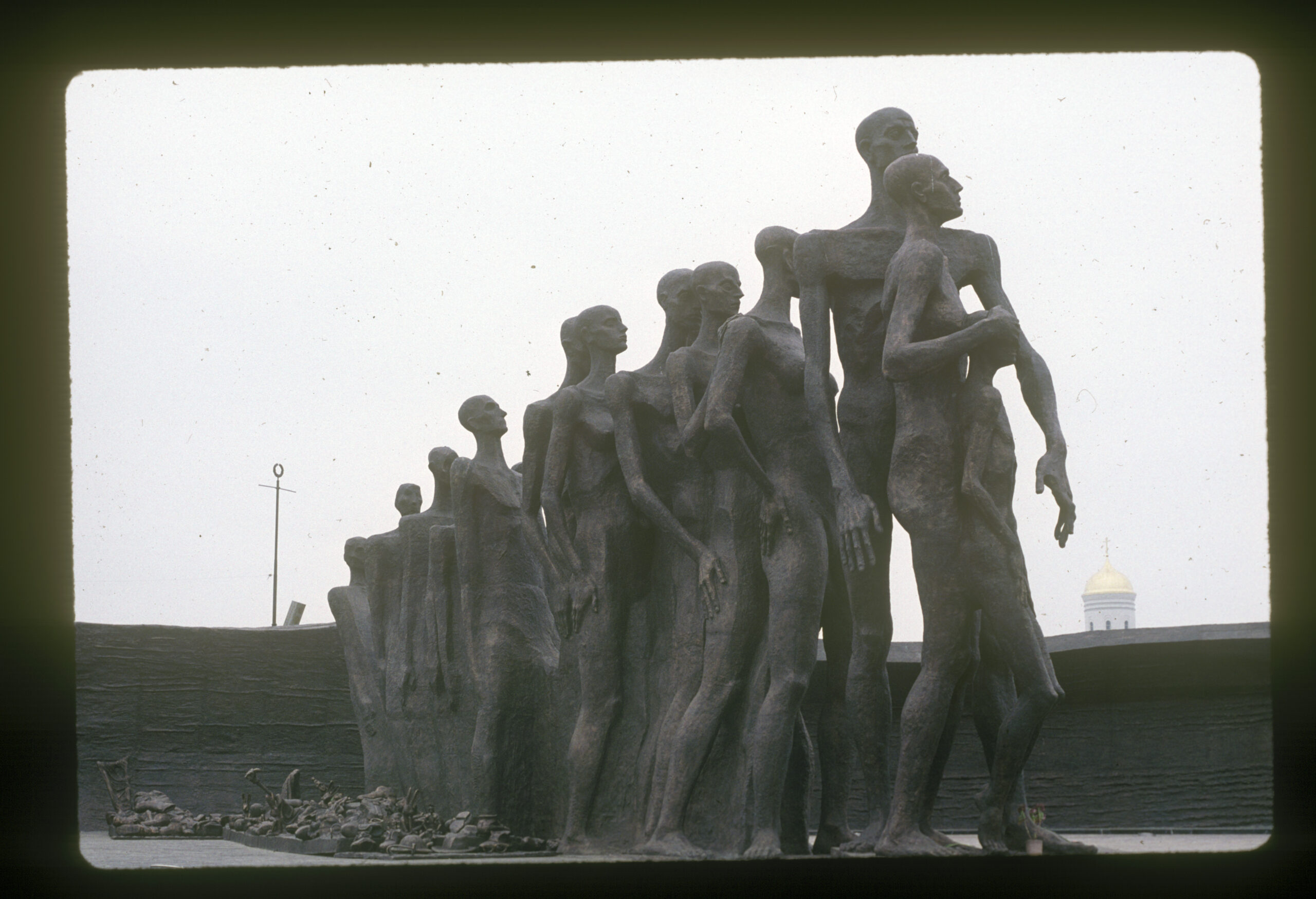
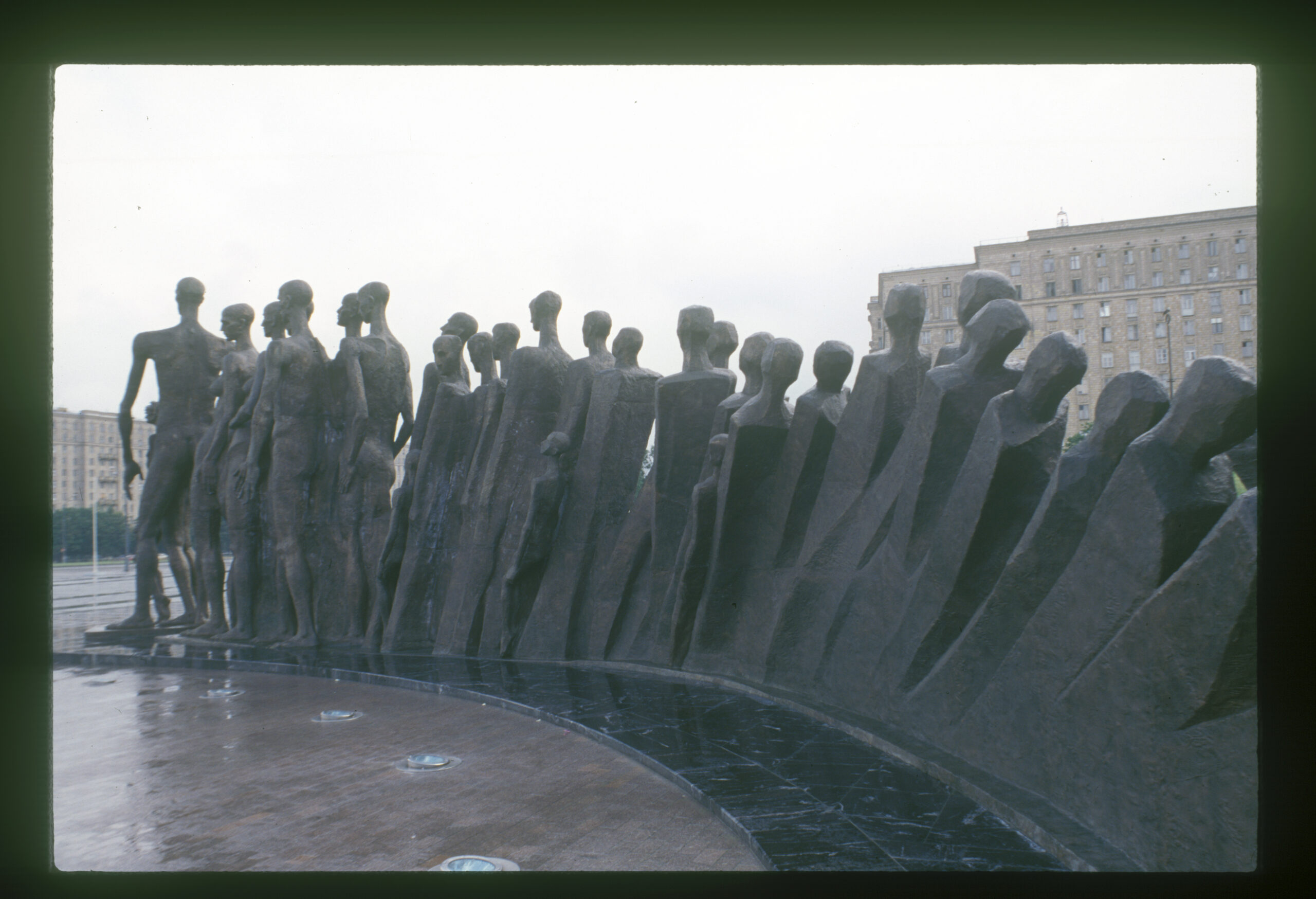
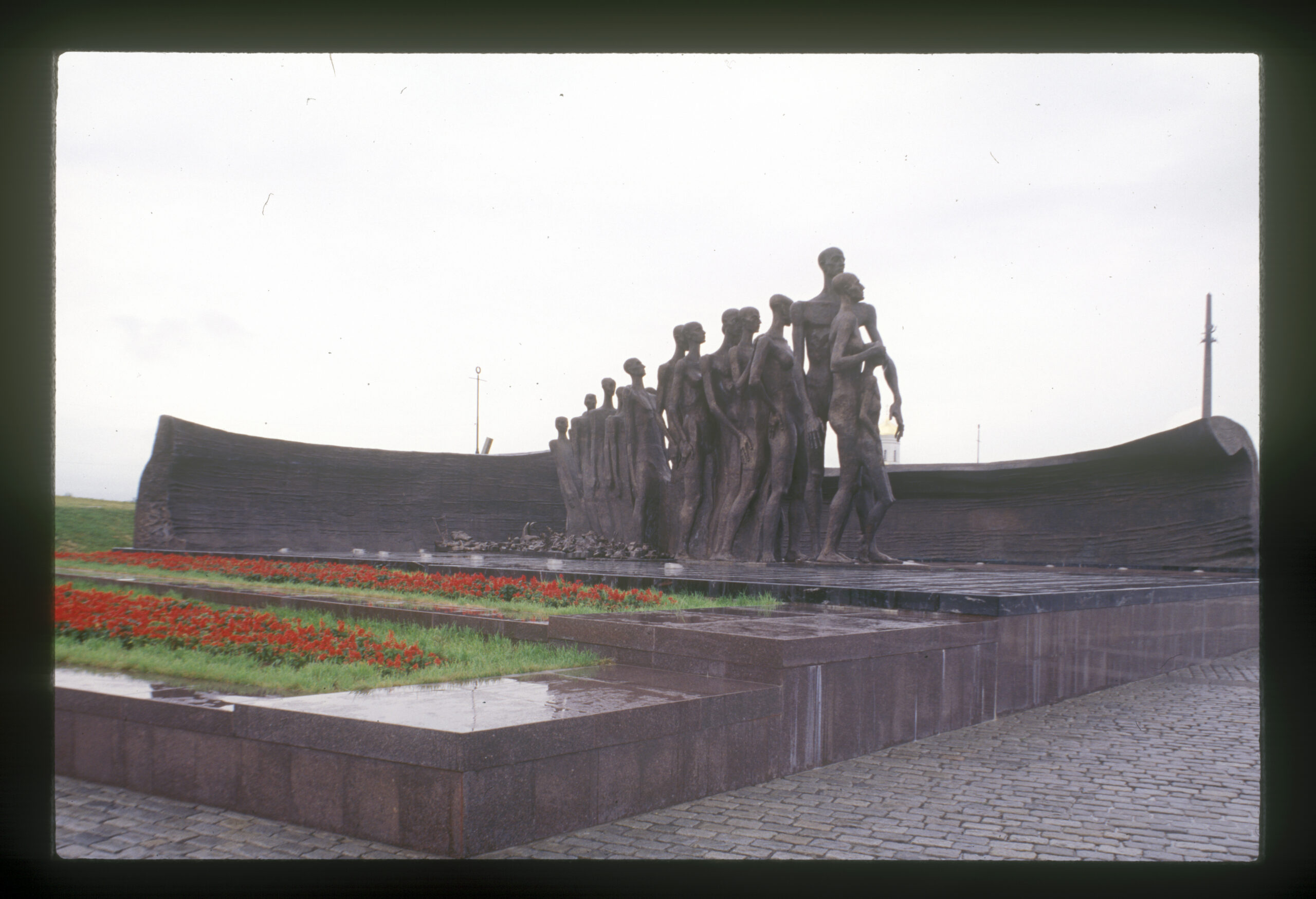
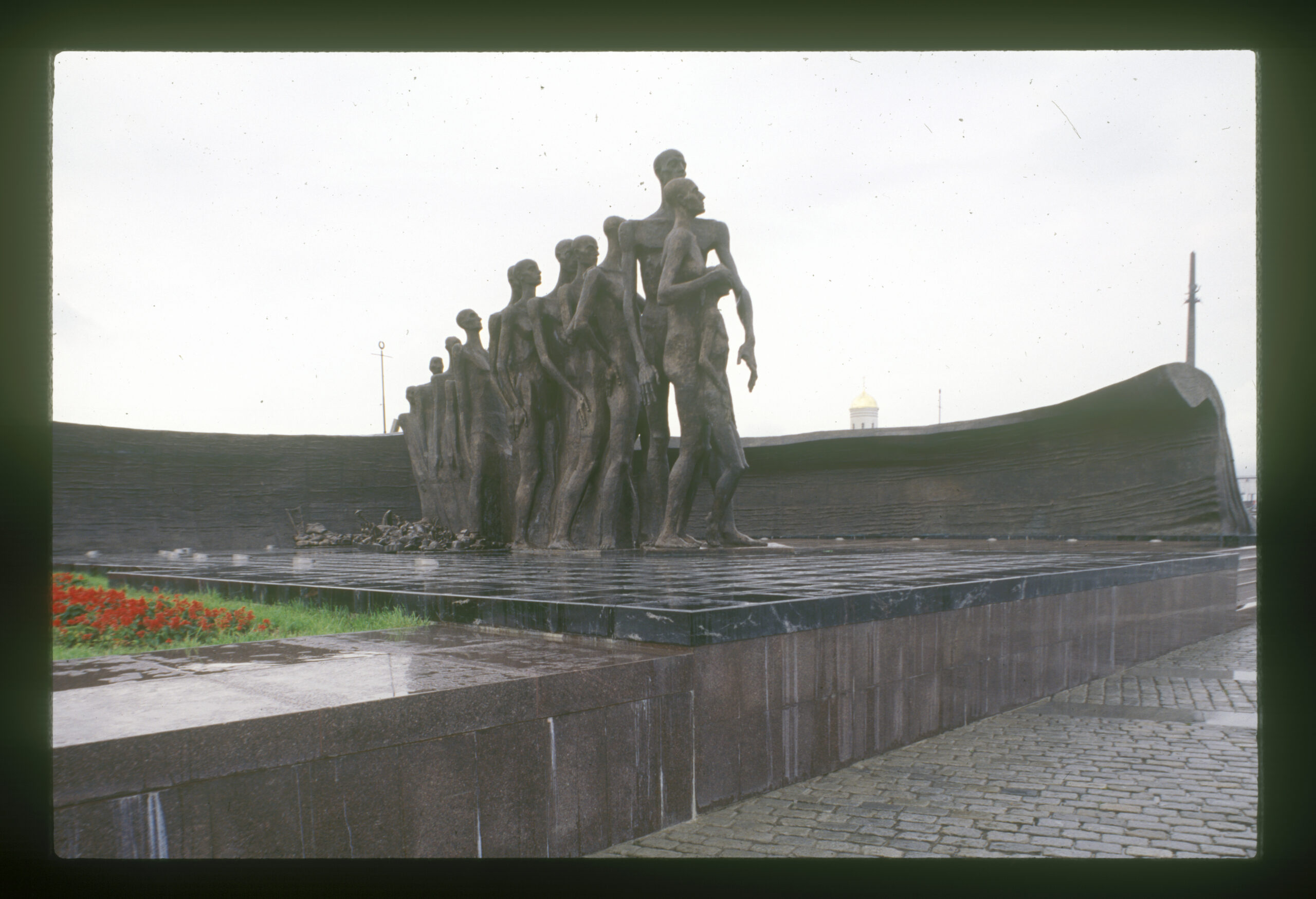
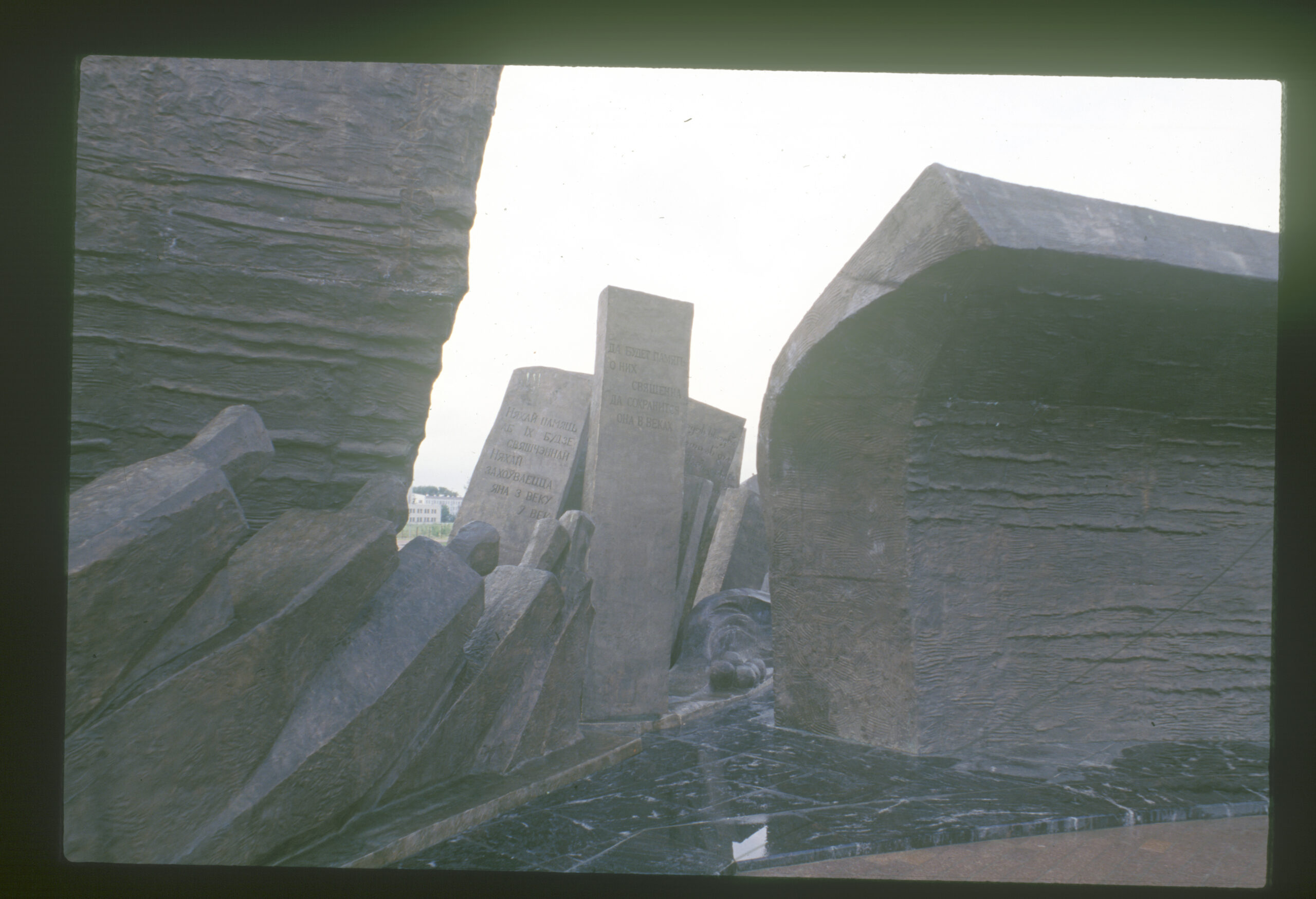
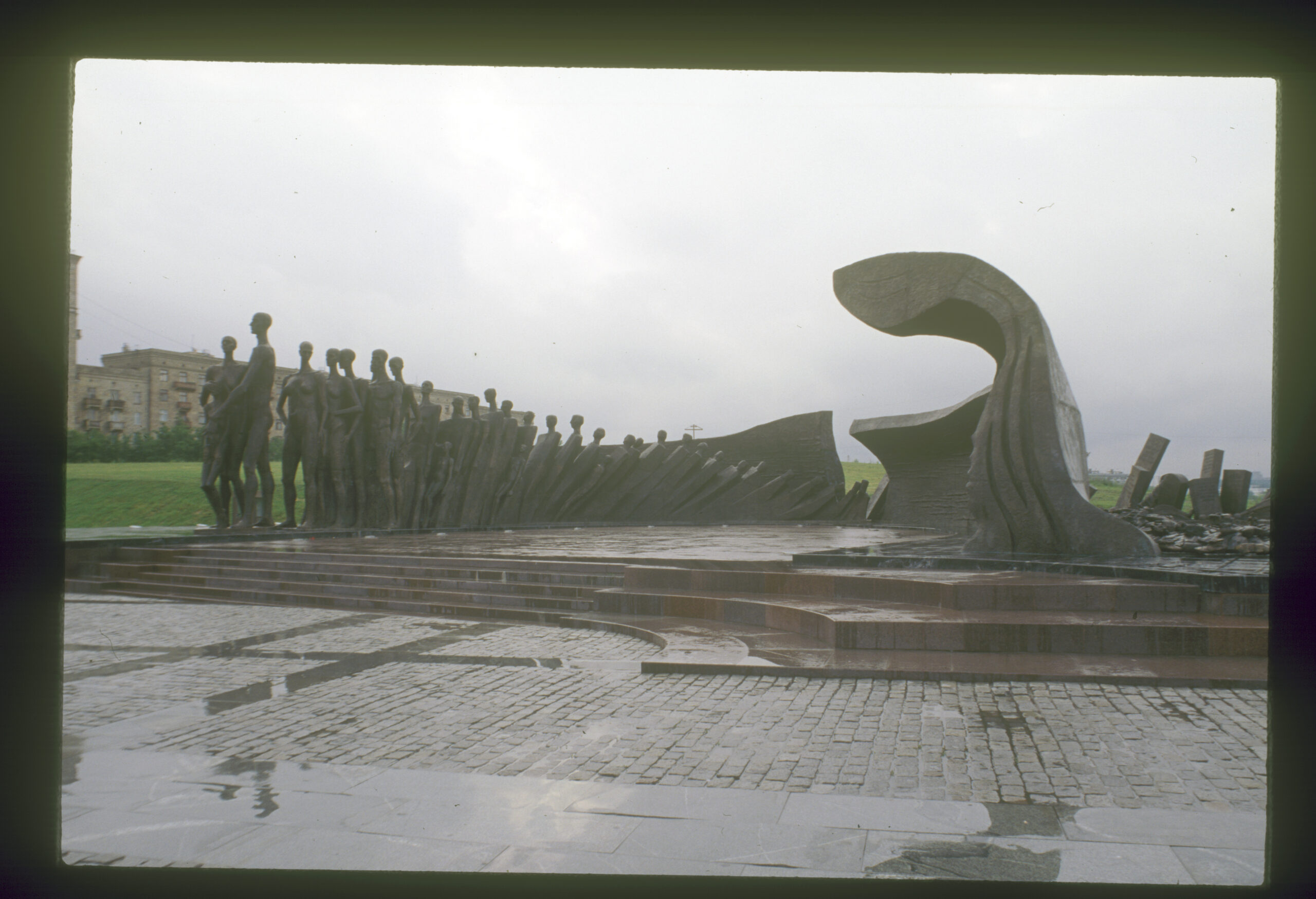
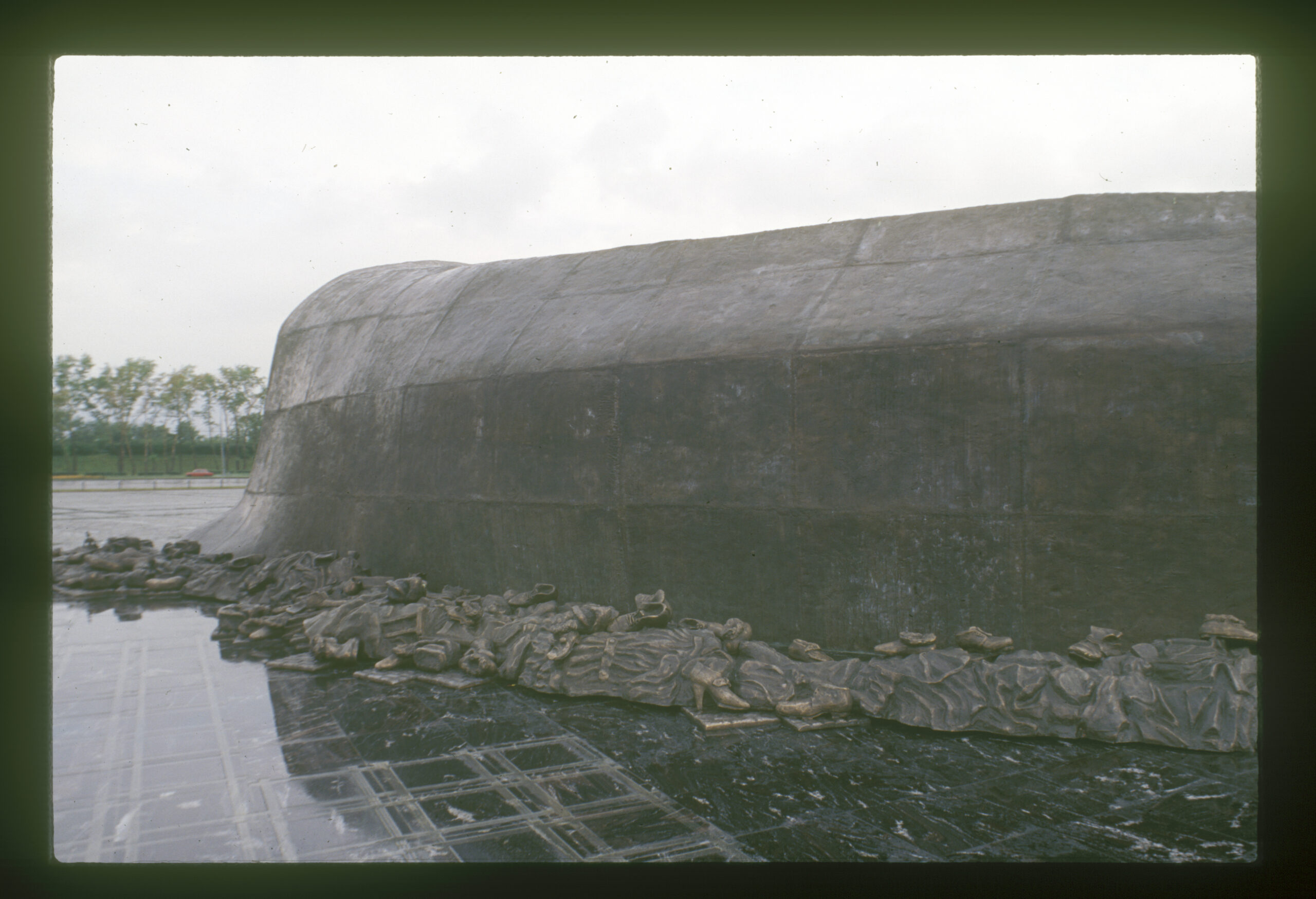
The “Tragedy of the Peoples” memorial by Georgian-Russian sculptor Zurab Tsereteli stands as one of the most powerful Holocaust commemorations in Russia. The nearly 8-meter high bronze composition depicts an endless gray procession of naked, emaciated figures—men, women, elderly, and children with shaved heads—marching toward their deaths.
The sculpture captures the moment of execution: a mother covers her son’s eyes while the father shields his chest. Behind them, the figures merge with 16 granite stelae bearing the inscription “May their memory be sacred” in the languages of all Soviet republics, including Hebrew. The monument honors the 2 million Soviet Jews killed during the Great Patriotic War.
1966 • Early Memorial Installations
In 1966, preliminary markers and commemorative stones were installed on Poklonnaya Hill to designate the future location of the Victory Park complex. These early installations represented the Soviet government’s initial efforts to create a centralized memorial to the Great Patriotic War, though full construction would not begin until decades later.
Historical Significance
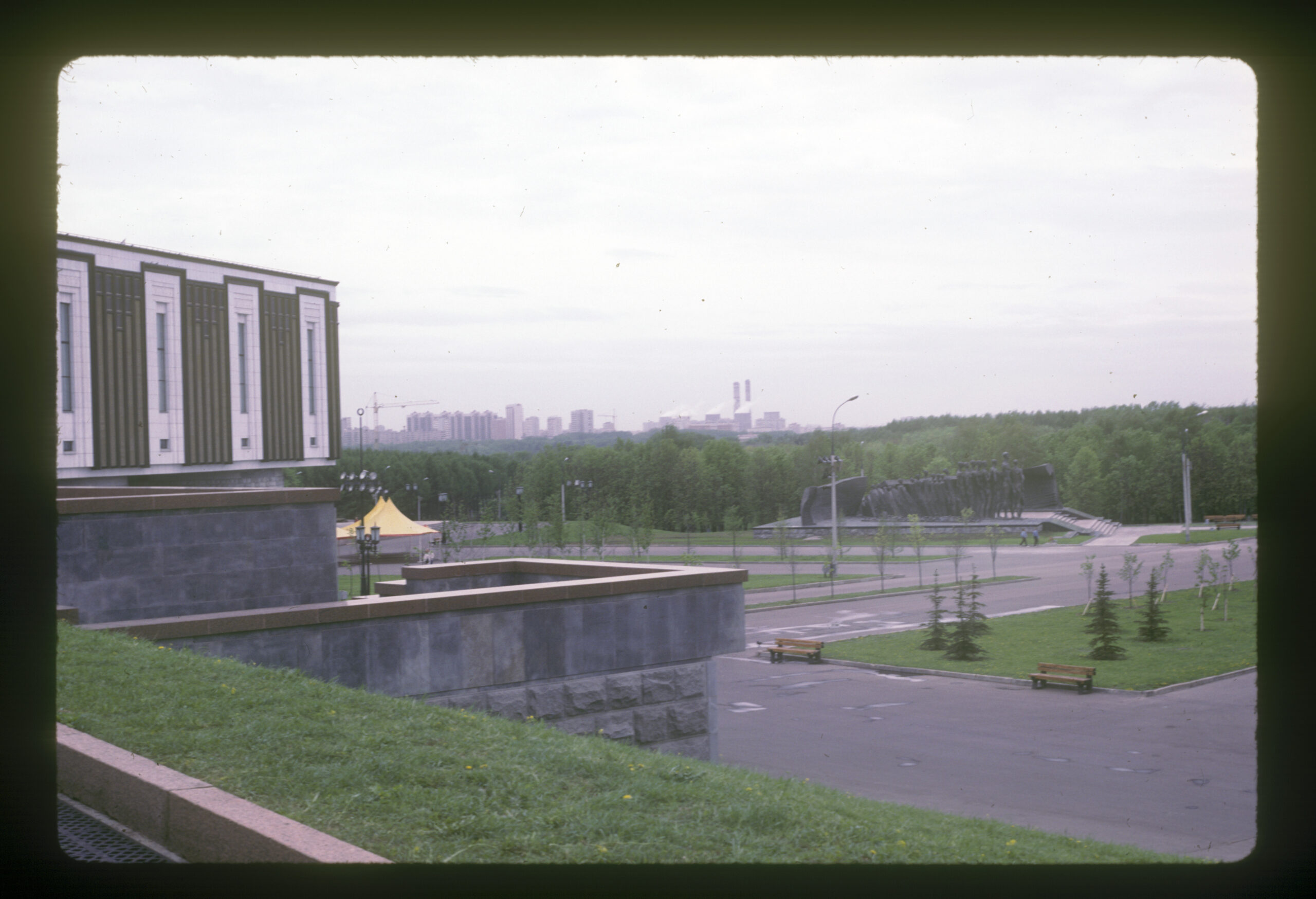
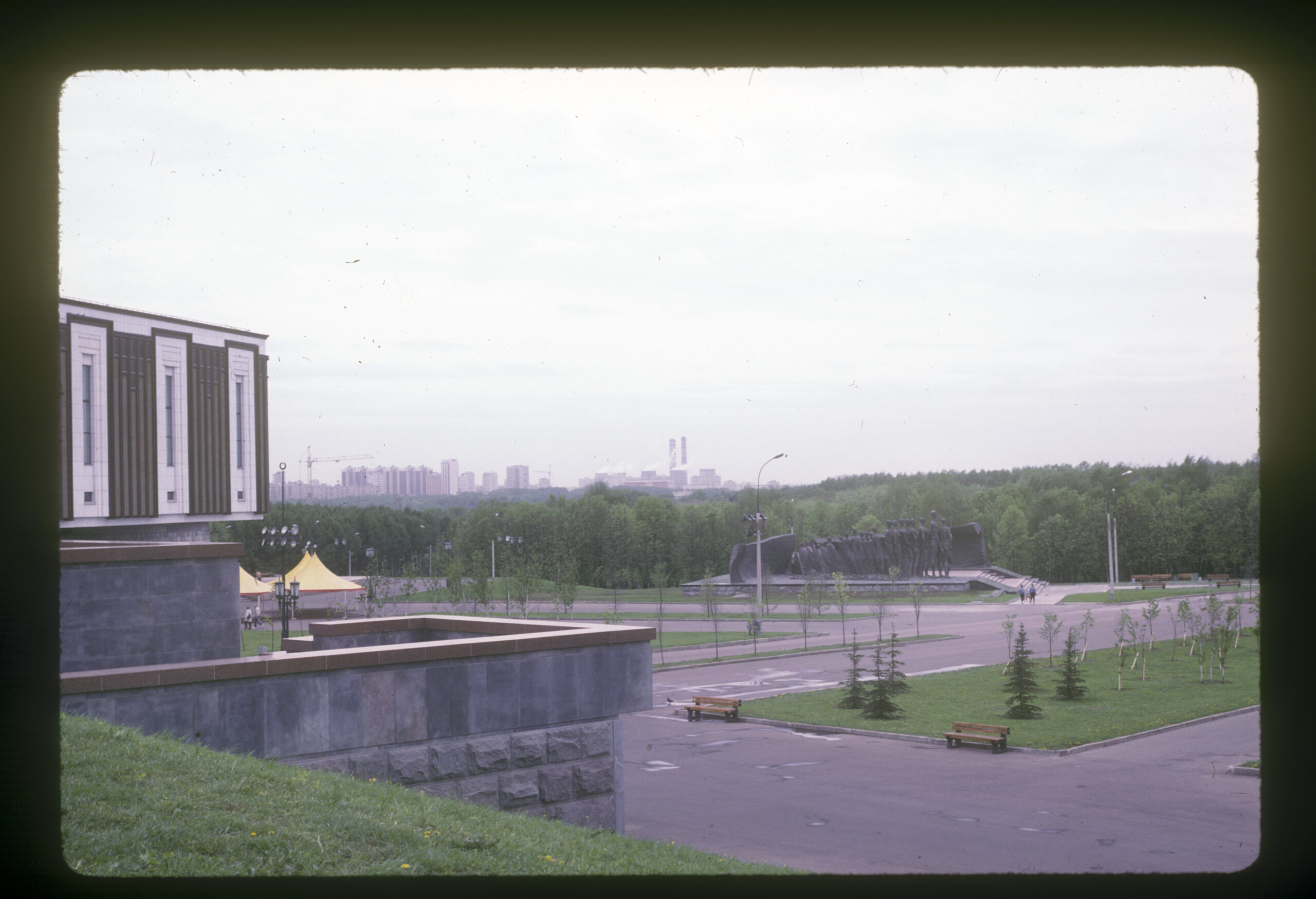
Poklonnaya Hill holds profound historical significance in Russian memory. The name translates to “Bow-down Hill,” referring to the tradition of travelers bowing to the panorama of Moscow. During the Napoleonic Wars in 1812, Napoleon waited here in vain for the keys to Moscow.
The Victory Park complex was unveiled on May 9, 1995, the 50th anniversary of Victory Day, featuring a 141.8-meter obelisk, the Central Museum of the Great Patriotic War, and religious structures including the Church of St. George, a memorial mosque, and the Holocaust Memorial Synagogue.
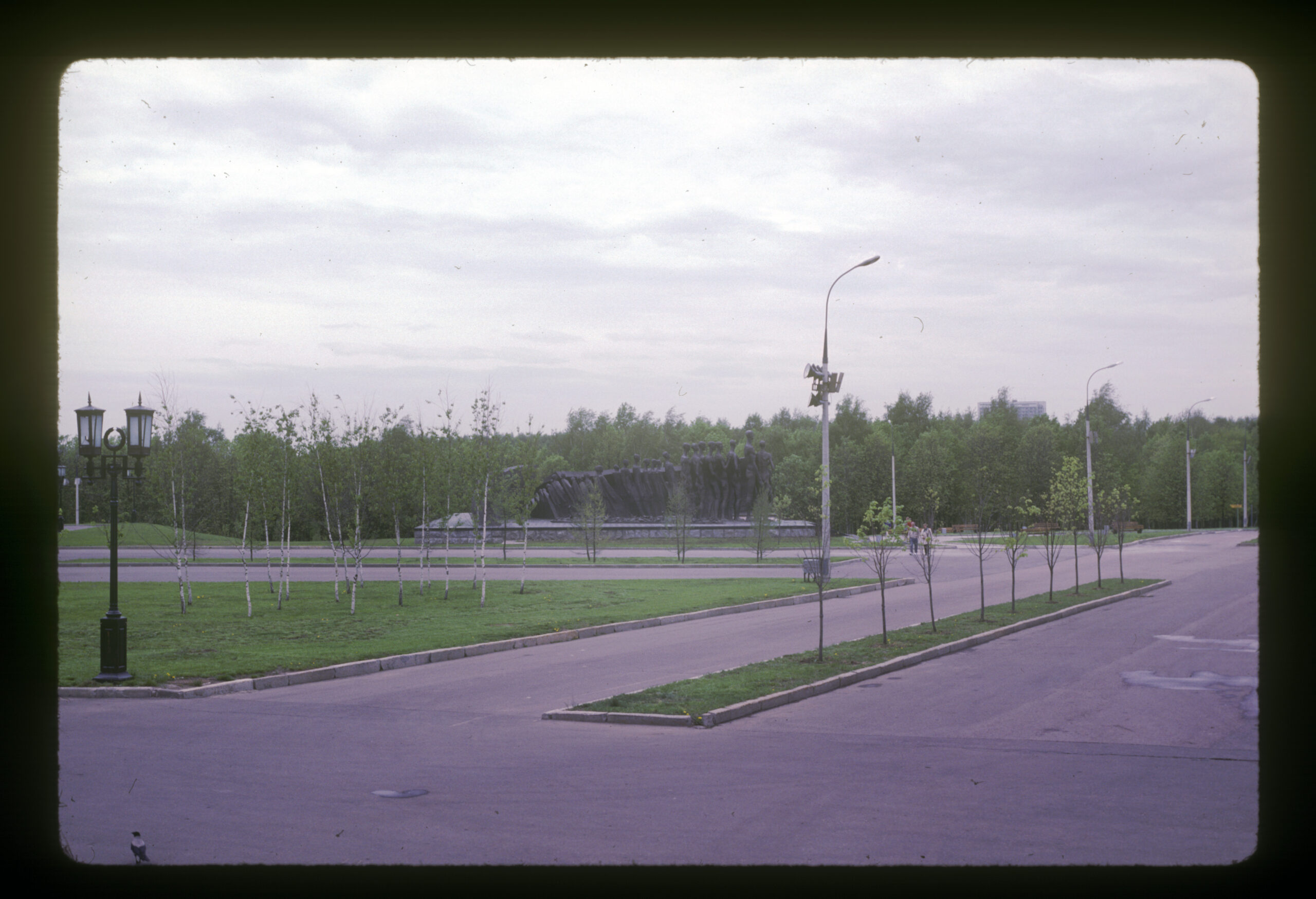
Unlike the triumphant Victory Obelisk, Tsereteli’s sculpture confronts visitors with the brutal reality of the Holocaust. The monument sparked controversy—many found it too depressing and it was moved to a more secluded location. Nevertheless, it remains one of the few Soviet-era public memorials to specifically acknowledge Jewish victimhood in World War II.
Sources
“Трагедия народов” [Tragedy of the Peoples]. Wikipedia (Russian edition), July 31, 2016.
“Russia rededicates monument devoted to World War II victims.” Jewish Telegraphic Agency, June 24, 1997.
“Holocaust Memorial Synagogue in Moscow, Russia, 1998.” Center for Jewish Art, Hebrew University of Jerusalem.
М.А. Чегодаева. “Зураб Церетели «Трагедия народов».” Российская академия художеств.