
Rostov-on-Don
Historic Jewish community on the Don River, featuring ornate pre-revolutionary synagogues and the largest Holocaust memorial site in present-day Russia
Jewish Heritage in Rostov-on-Don
Rostov-on-Don, located on the banks of the Don River near the Sea of Azov, was home to a significant Jewish community before World War II. The city was occupied by Nazi Germany from 1942 to 1943, during which time approximately 27,000 Jews and other Soviet civilians were massacred.
Today, the city preserves both the ornate Soldatskaia Synagogue—one of the few surviving pre-revolutionary Jewish houses of worship in the region—and the Zmievskaya Balka memorial, marking the site of the largest Holocaust mass grave in present-day Russia.
The Soldiers Synagogue
The Soldatskaia Synagogue (Soldiers Synagogue) in Rostov-on-Don stands as one of the few remaining Jewish houses of worship in the region to survive the destruction of the Soviet era and World War II. Built to serve the large Jewish community of Rostov, the synagogue's interior sanctuary features ornate decorative elements typical of early 20th-century Russian Jewish architecture, with tall windows illuminating the prayer hall.
The exterior facade, marked by a memorial plaque, commemorates the Jewish soldiers who fought and died during the Great Patriotic War—a poignant reminder of the dual identity many Soviet Jews held as both patriots and members of a persecuted minority. The synagogue continues to serve as a religious and cultural center for the Jewish community of Rostov-on-Don, though much diminished from its pre-war numbers.
Photo Documentation: William C. Brumfield captured these images of the Soldatskaia Synagogue interior and facade on October 20, 2016, documenting both the architectural details of the sanctuary and the memorial elements honoring Jewish soldiers.
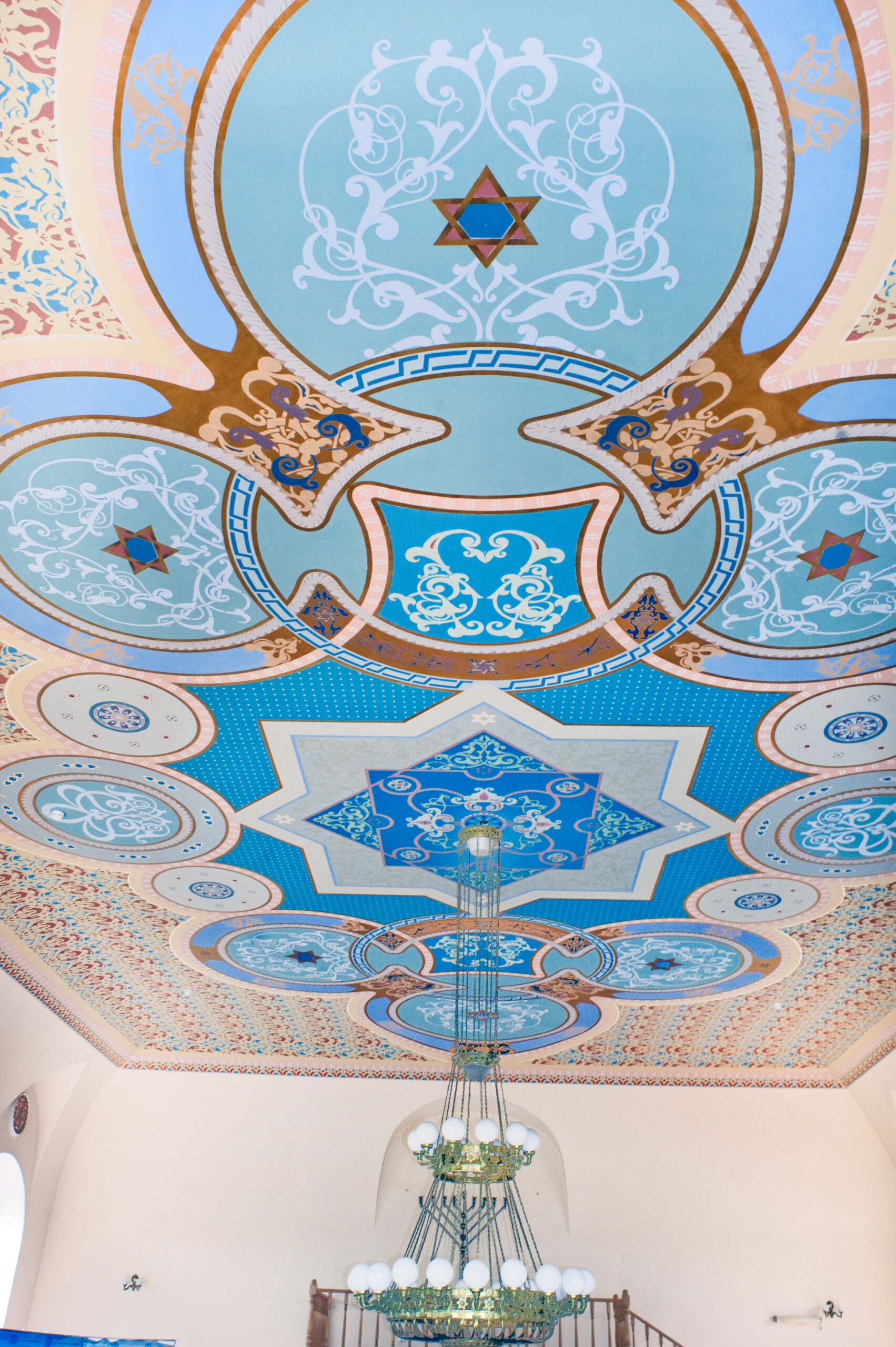
10/20/2016 00:00:00 SOLDATSKAIA SYNAGOGA (SOLDIERS SYNAGOGUE), INTERIOR, SANCTUARY C
ROSTOV-NA-DONU WILLIAM C. BRUMFIELD
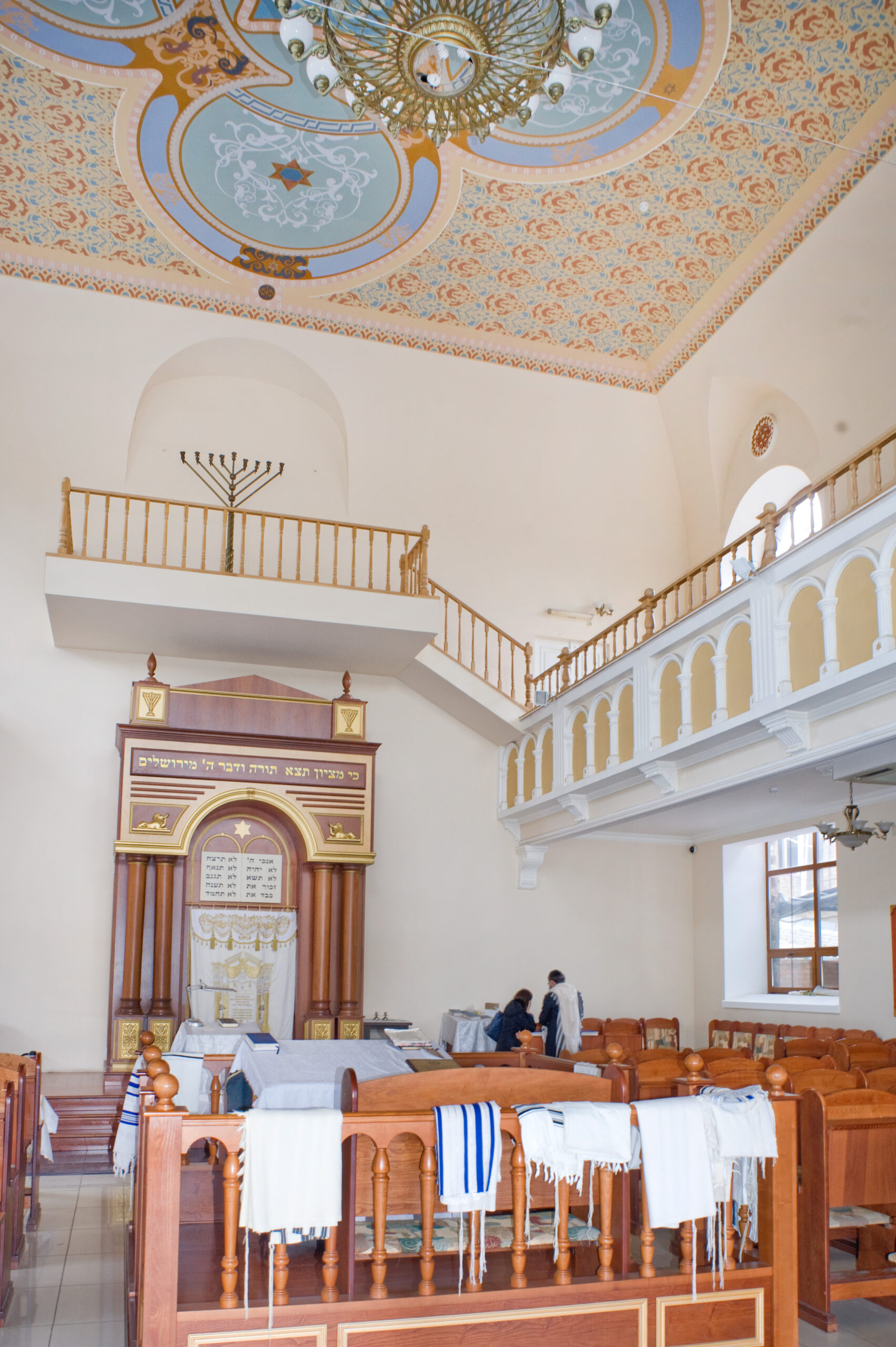
10/20/2016 SOLDATSKAIA SYNAGOGA (SOLDIERS SYNAGOGUE), INTERIOR, SANCTUARY,
WILLIAM C. BRUMFIELD ROSTOV-NA-DONU
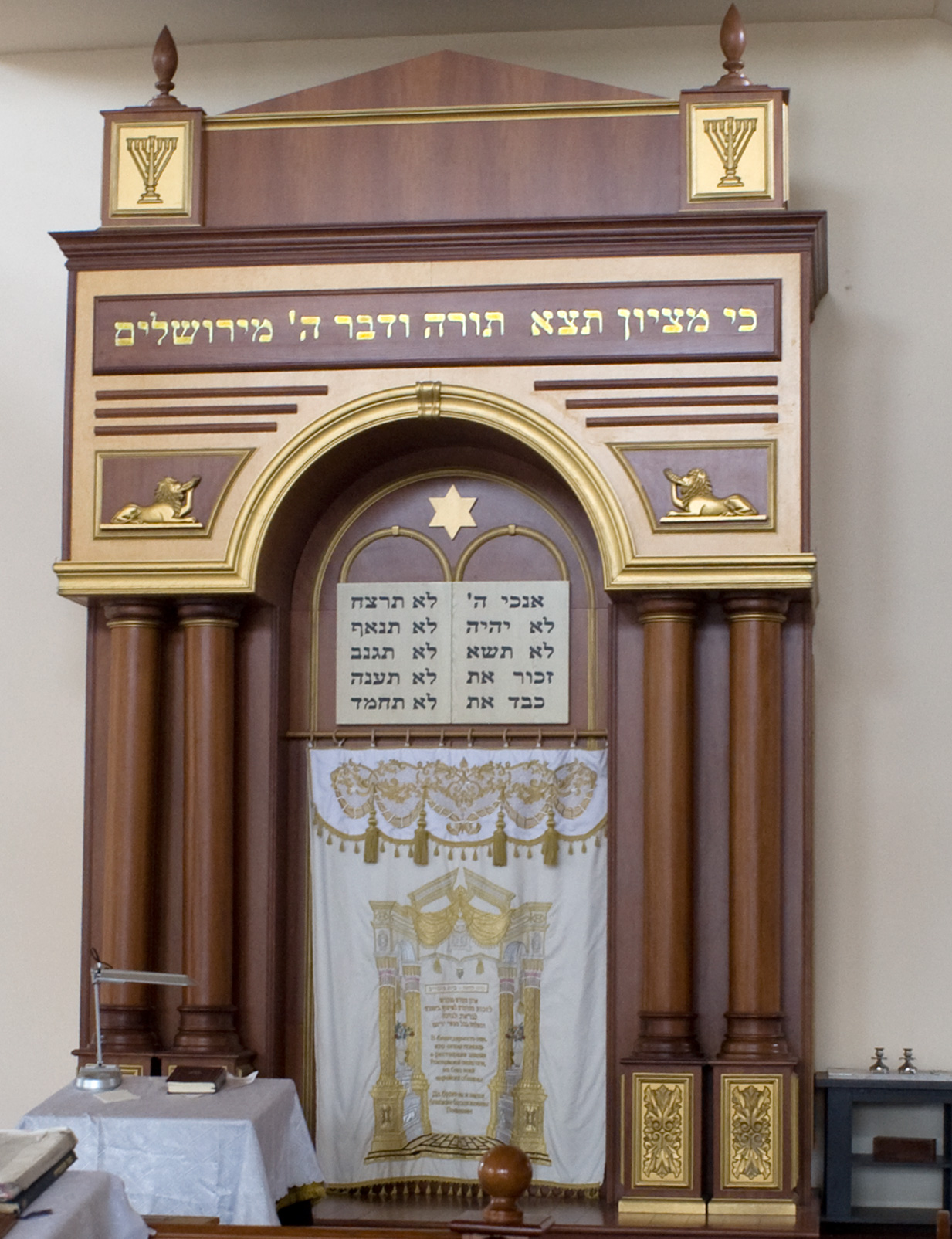
10/20/2016 00:00: SOLDATSKAIA SYNAGOGA (SOLDIERS SYNAGOGUE), INTERIOR, SANCTUARY,
ROSTOV-NA-DONU WILLIAM C. BRUMFIELD
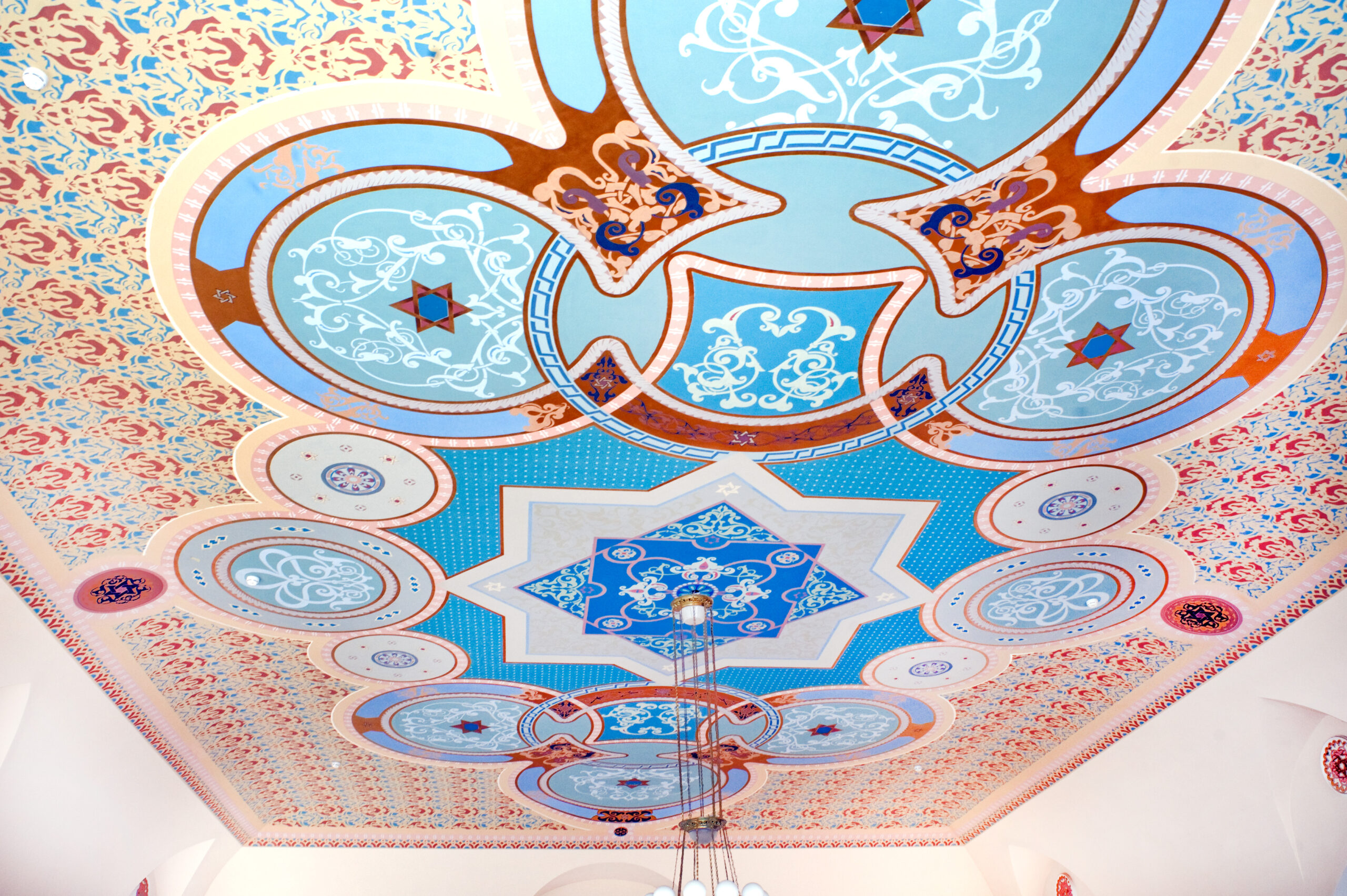
10/20/2016 00:0 SOLDATSKAIA SYNAGOGA (SOLDIERS SYNAGOGUE), INTERIOR, SANCTUARY C
ROSTOV-NA-DONU WILLIAM C. BRUMFIELD

10/20/2016 00:00:0 SOLDATSKAIA SYNAGOGA (SOLDIERS SYNAGOGUE), MAIN FACADE, MEMORIAL
WILLIAM C. BRUMFIELD ROSTOV-NA-DONU
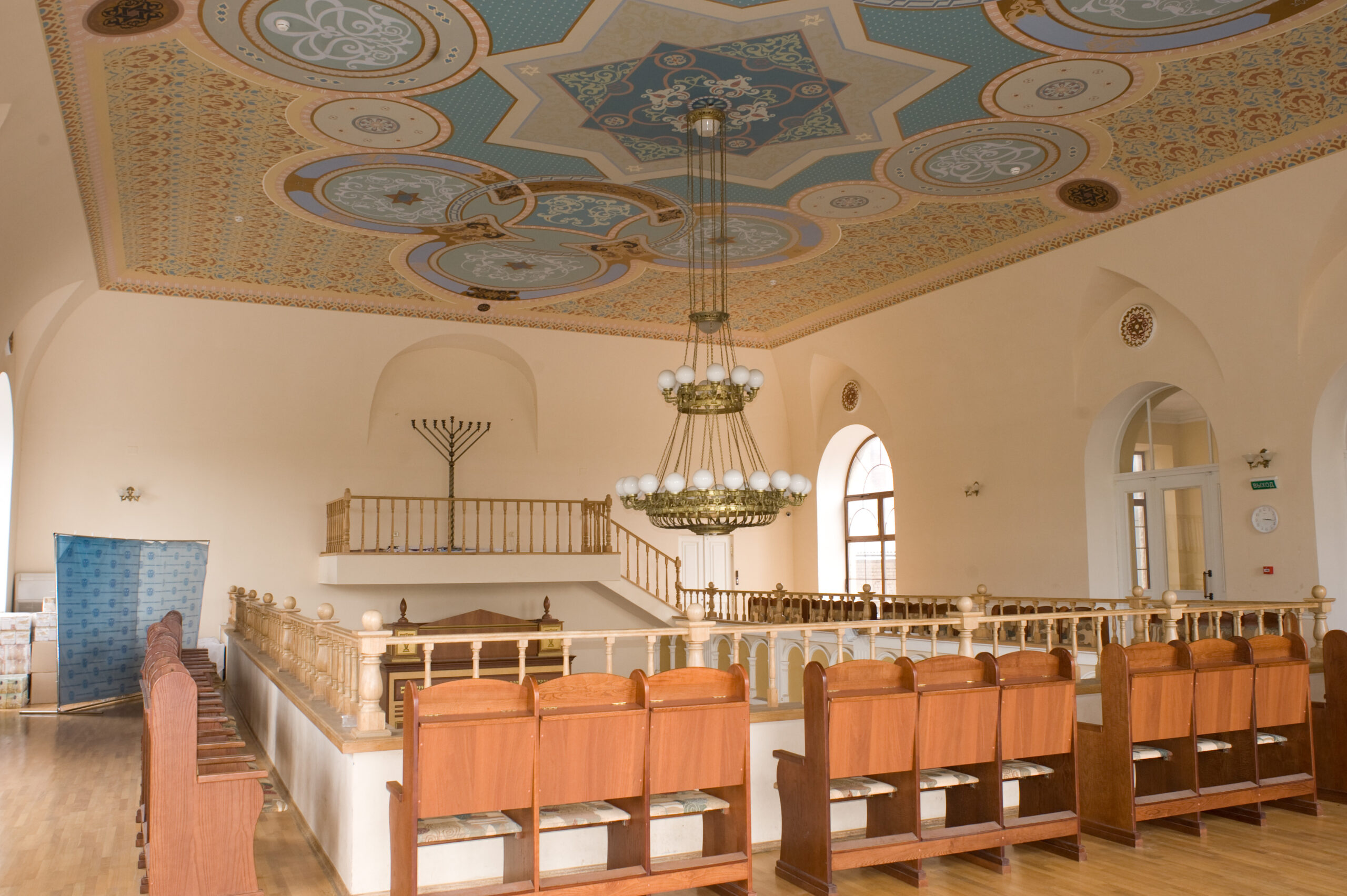
10/20/2016 00:00:00 SOLDATSKAIA SYNAGOGA (SOLDIERS SYNAGOGUE), INTERIOR, SANCTUARY,
VIEW FROM GALLERY WILLIAM C. BRUMFIELD ROSTOV-NA-DONU
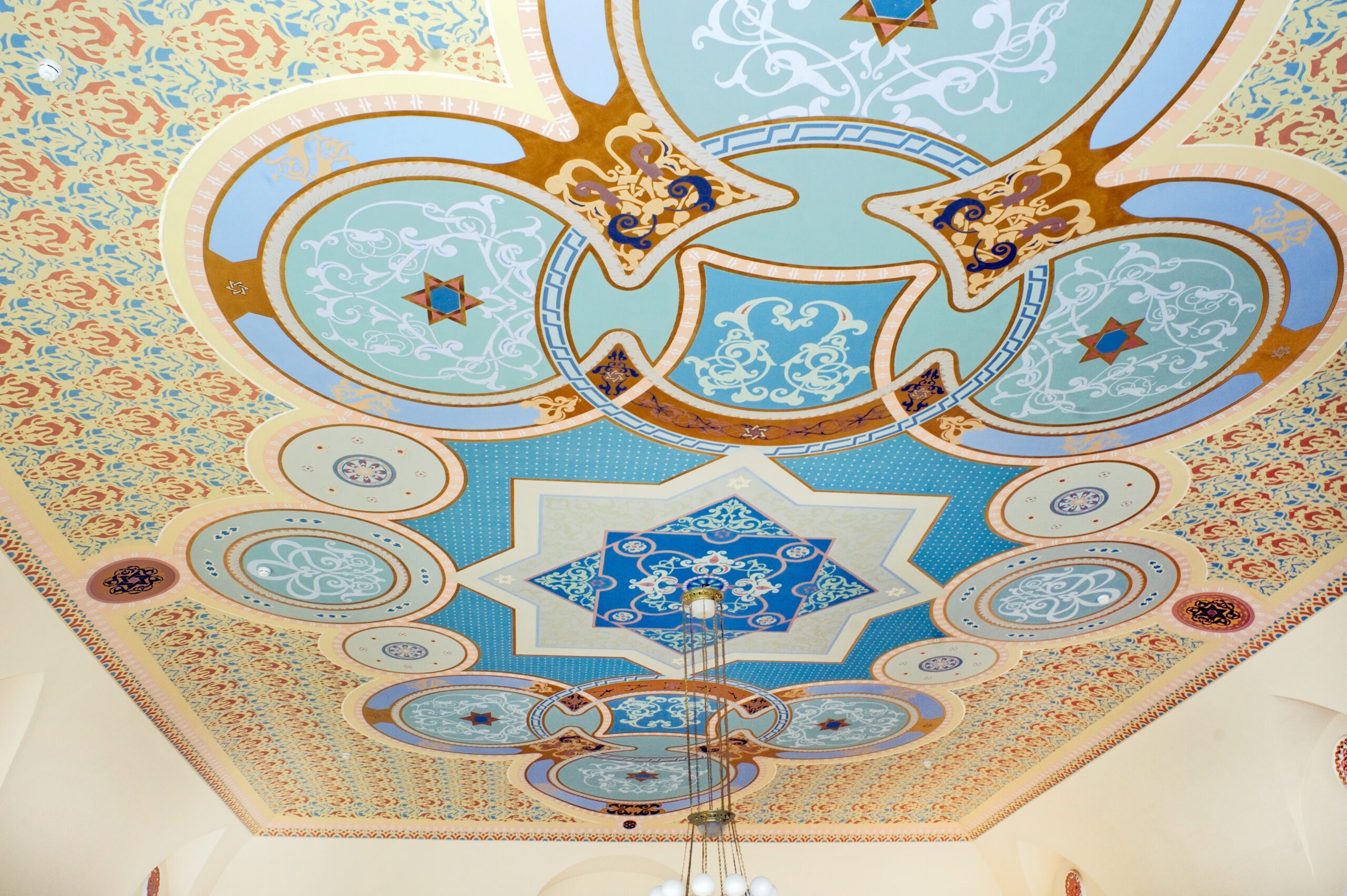
10/20/2016 00:00:00 SOLDATSKAIA SYNAGOGA (SOLDIERS SYNAGOGUE), INTERIOR, SANCTUARY C
ROSTOV-NA-DONU WILLIAM C. BRUMFIELD
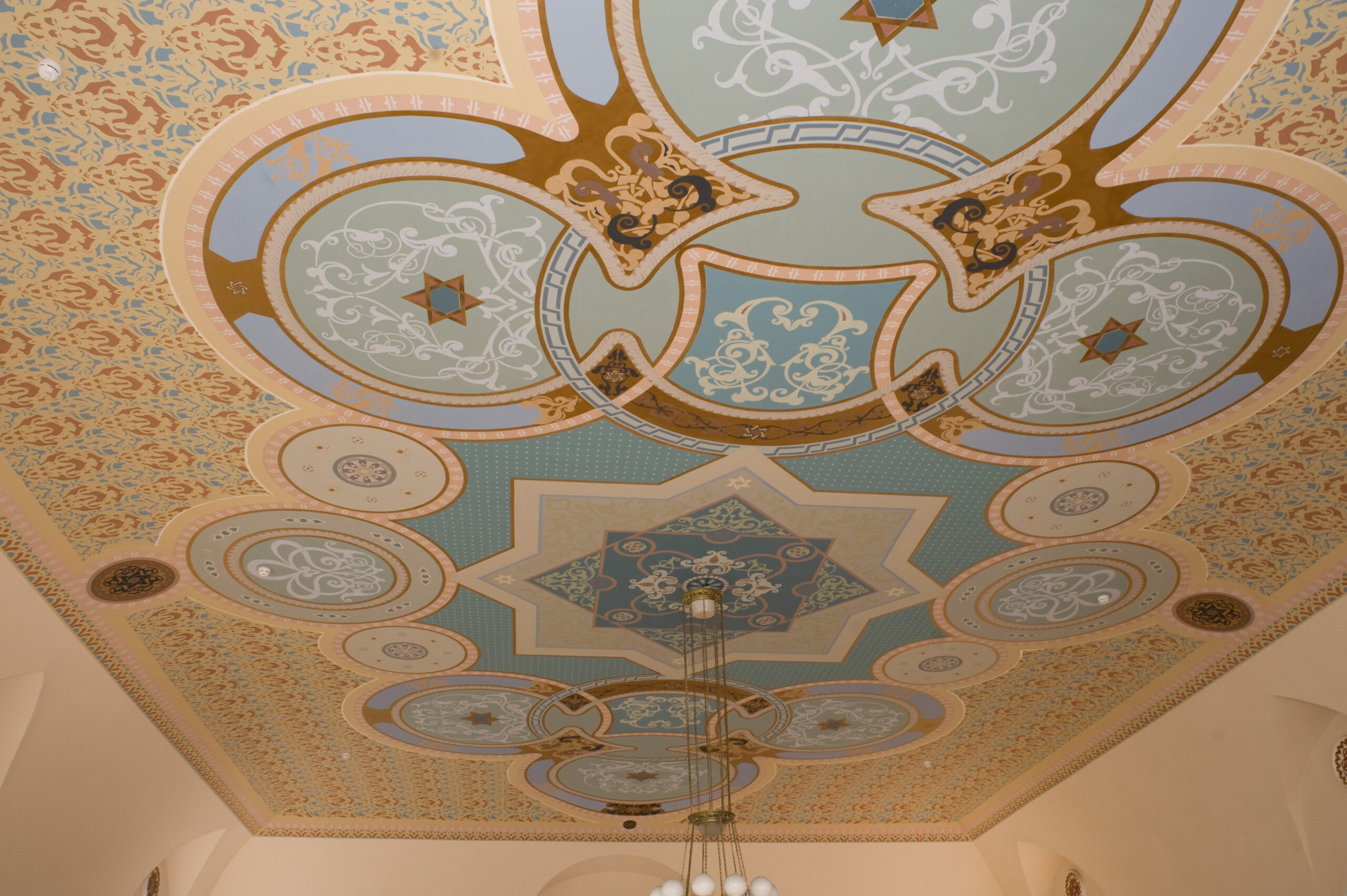
10/20/2016 00:00:00 SOLDATSKAIA SYNAGOGA (SOLDIERS SYNAGOGUE), INTERIOR, SANCTUARY C
WILLIAM C. BRUMFIELD ROSTOV-NA-DONU

10/20/2016 00:00 SOLDATSKAIA SYNAGOGA (SOLDIERS SYNAGOGUE), INTERIOR, SANCTUARY,
WILLIAM C. BRUMFIELD ROSTOV-NA-DONU
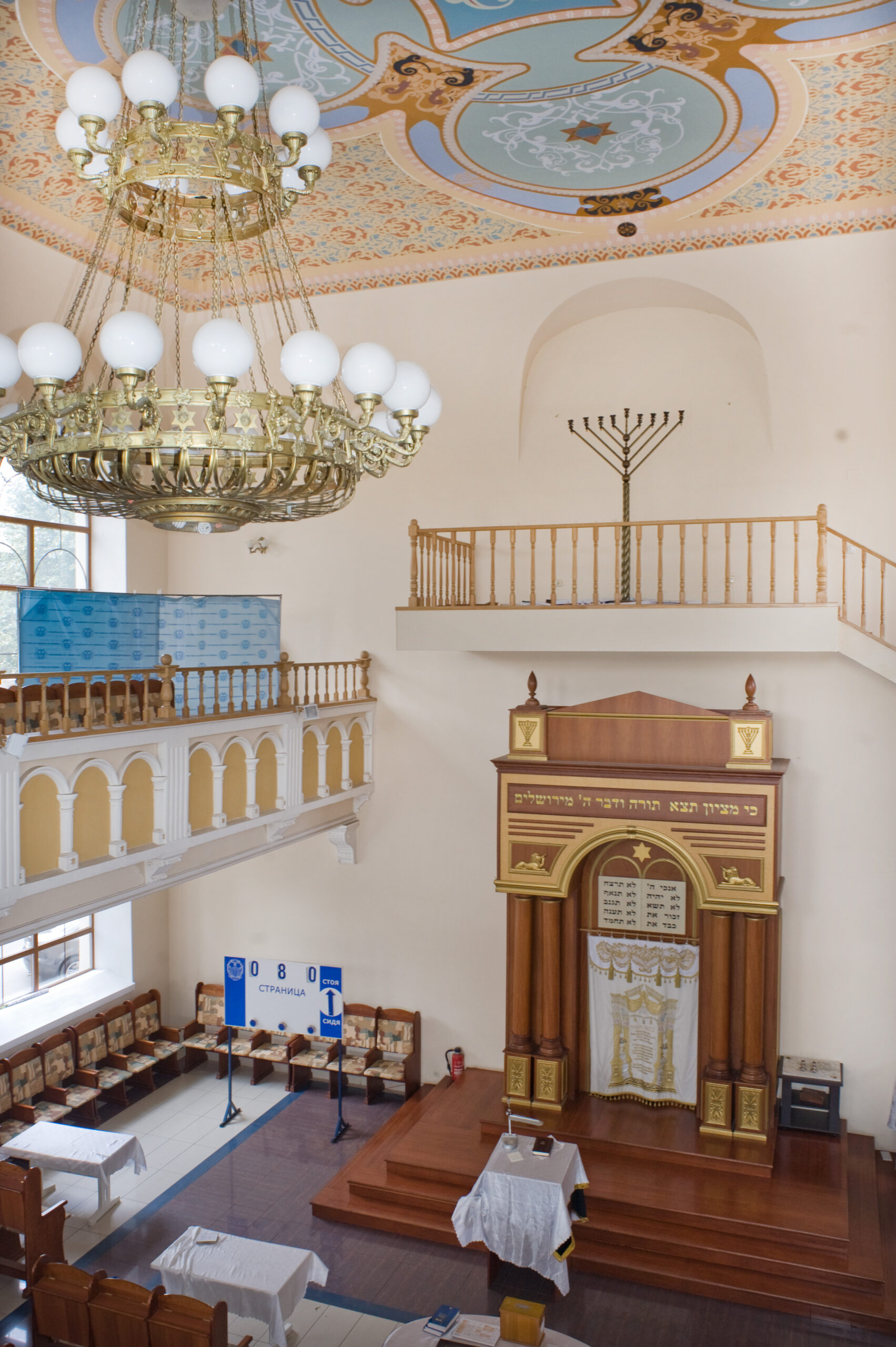
10/20/2016 SOLDATSKAIA SYNAGOGA (SOLDIERS SYNAGOGUE), INTERIOR, SANCTUARY,
WILLIAM C. BRUMFIELD ROSTOV-NA-DONU
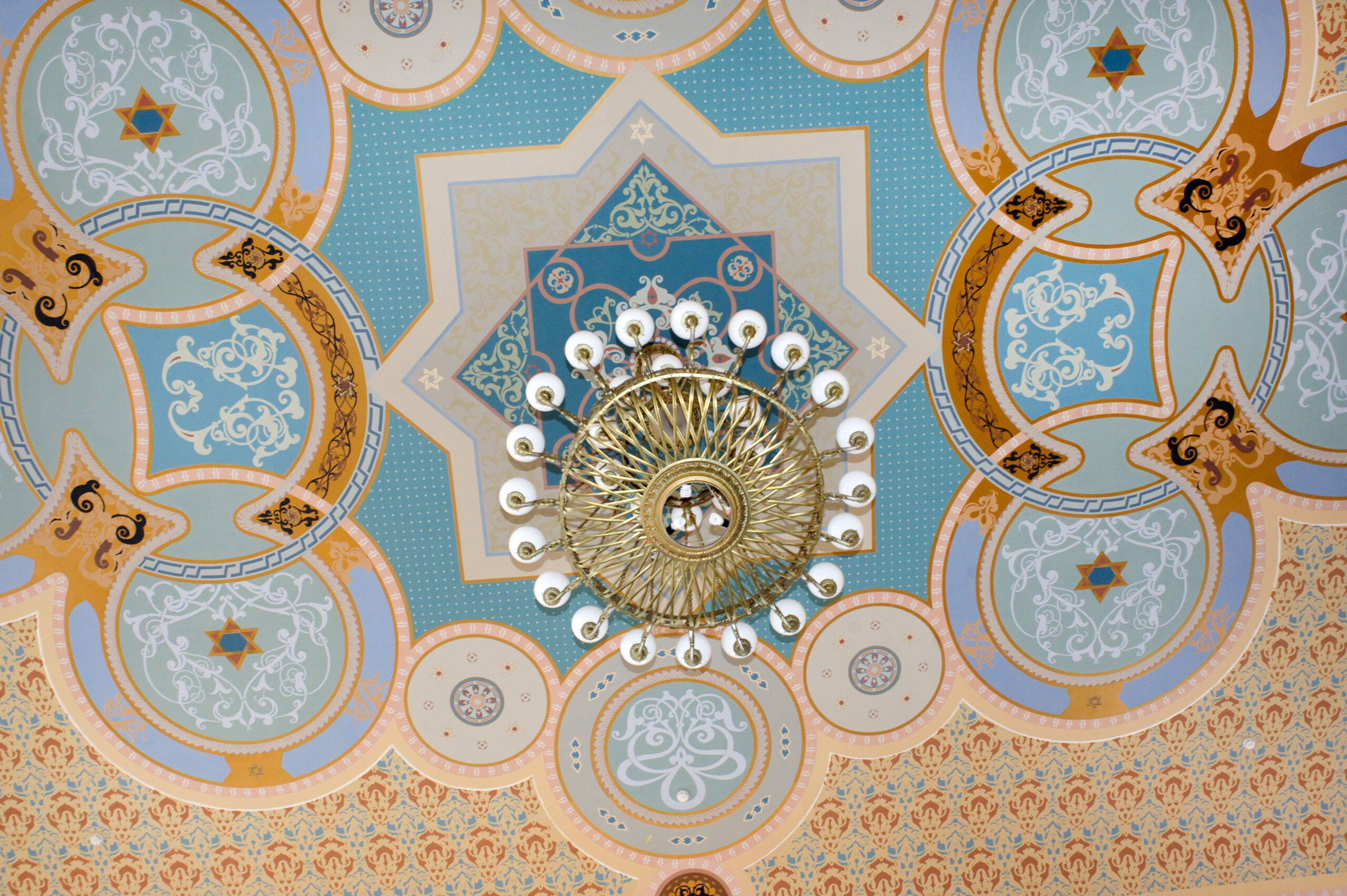
10/20/2016 00 SOLDATSKAIA SYNAGOGA (SOLDIERS SYNAGOGUE), INTERIOR, SANCTUARY C
WILLIAM C. BRUMFIELD
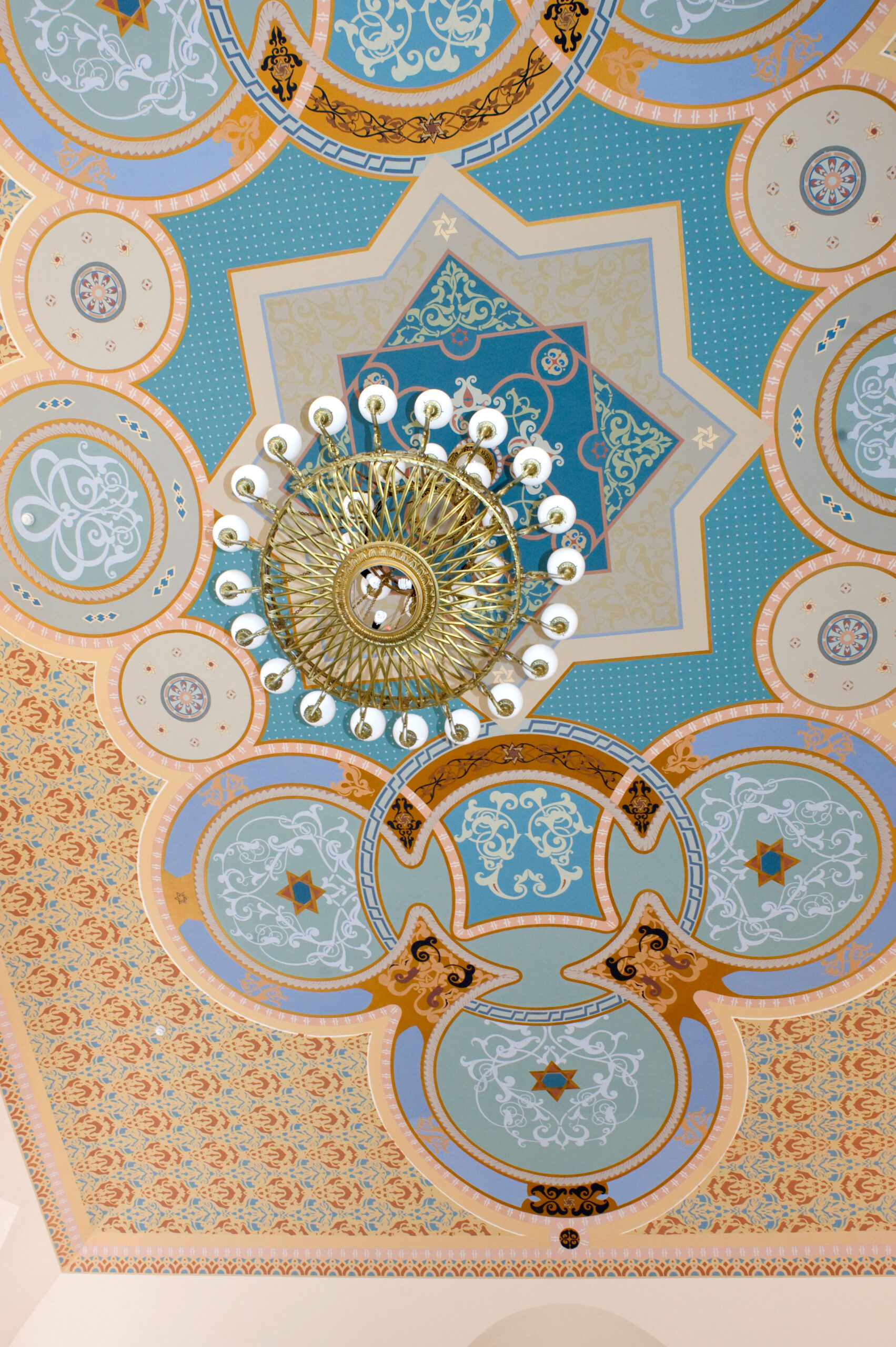
10/20/2016 00:00:00 SOLDATSKAIA SYNAGOGA (SOLDIERS SYNAGOGUE), INTERIOR, SANCTUARY C
ROSTOV-NA-DONU WILLIAM C. BRUMFIELD
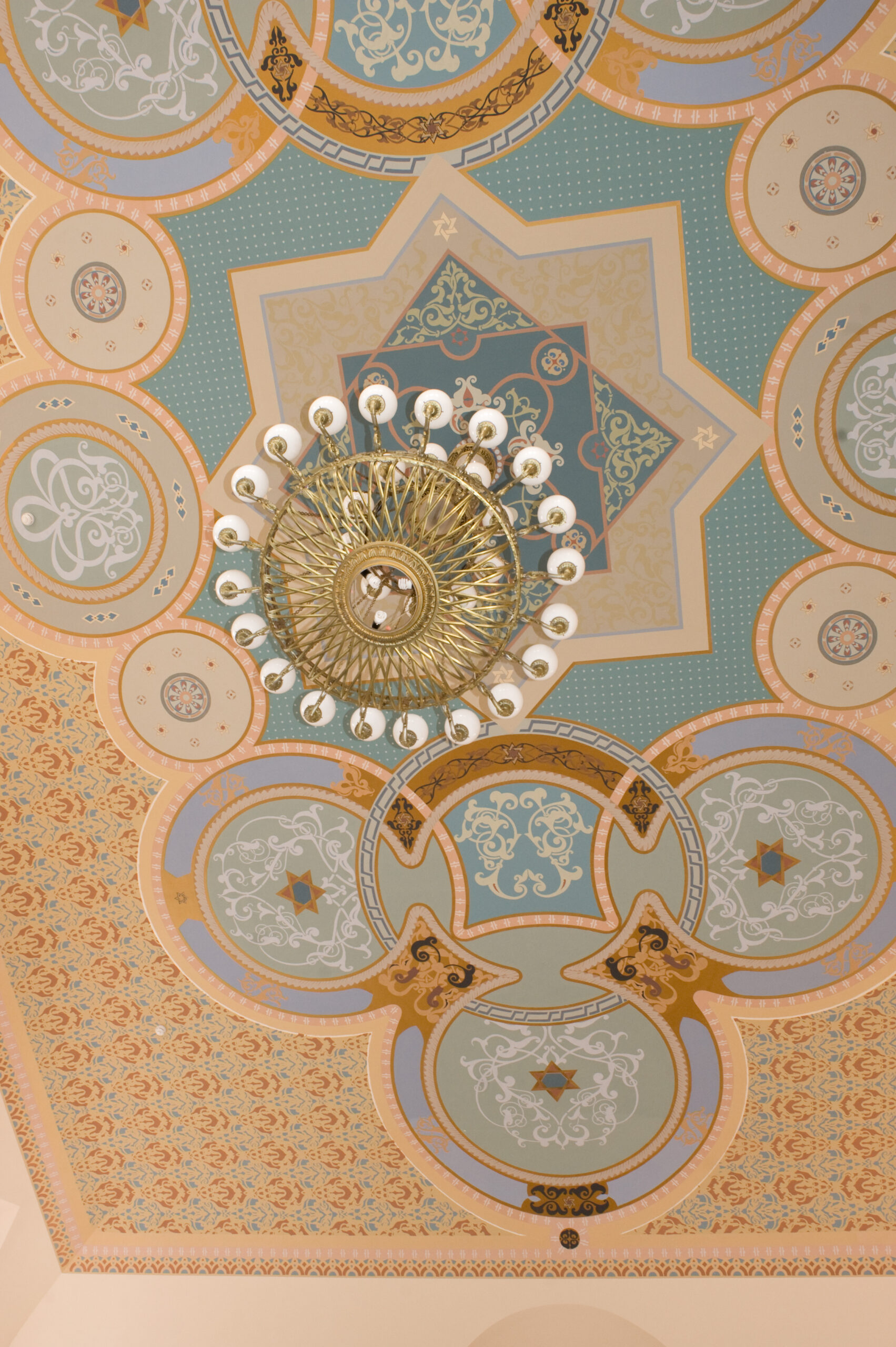
10/20/2016 00:00:00 SOLDATSKAIA SYNAGOGA (SOLDIERS SYNAGOGUE), INTERIOR, SANCTUARY C
WILLIAM C. BRUMFIELD
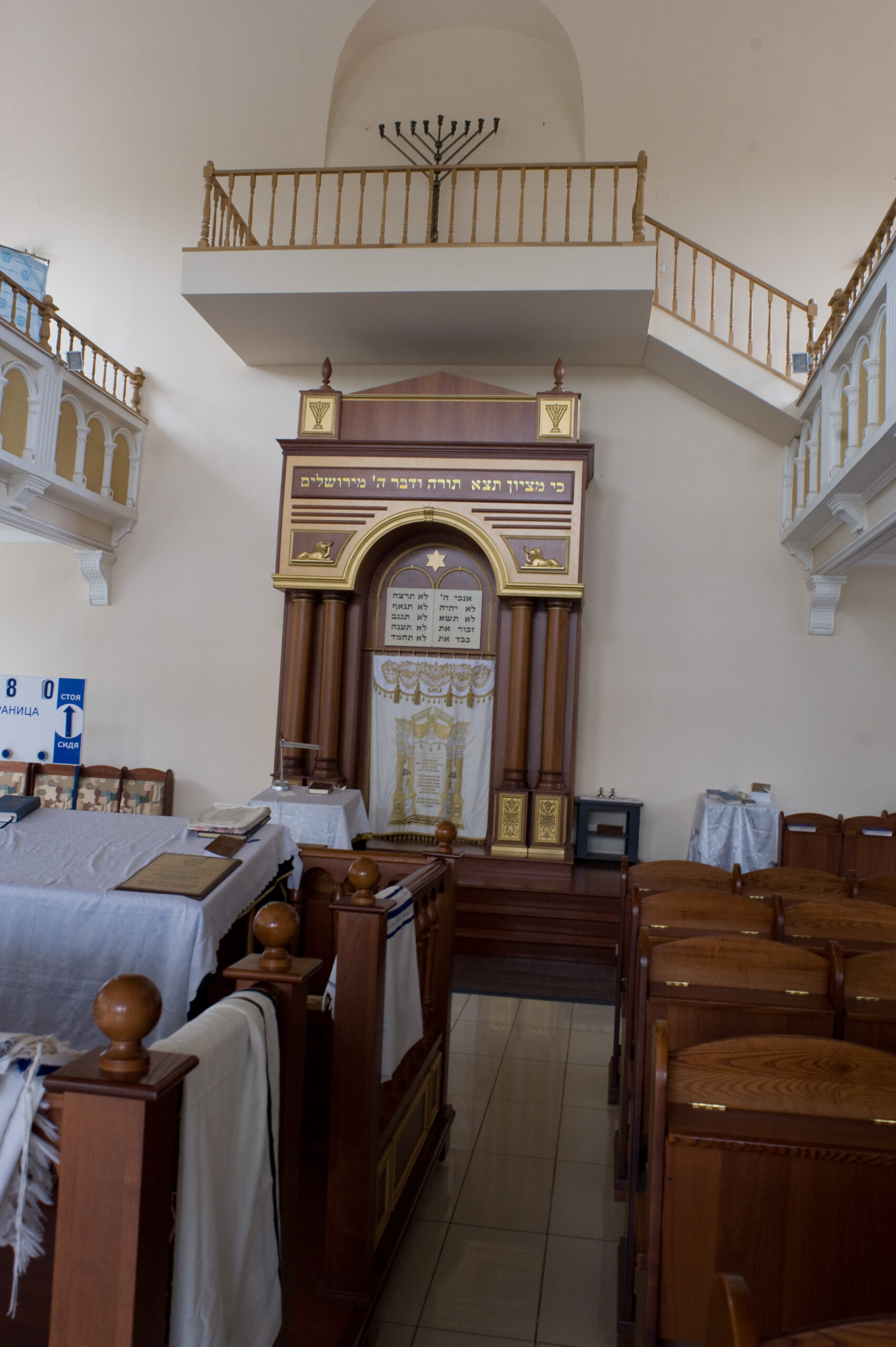
10/20/2016 0 SOLDATSKAIA SYNAGOGA (SOLDIERS SYNAGOGUE), INTERIOR, SANCTUARY,
WILLIAM C. BRUMFIELD
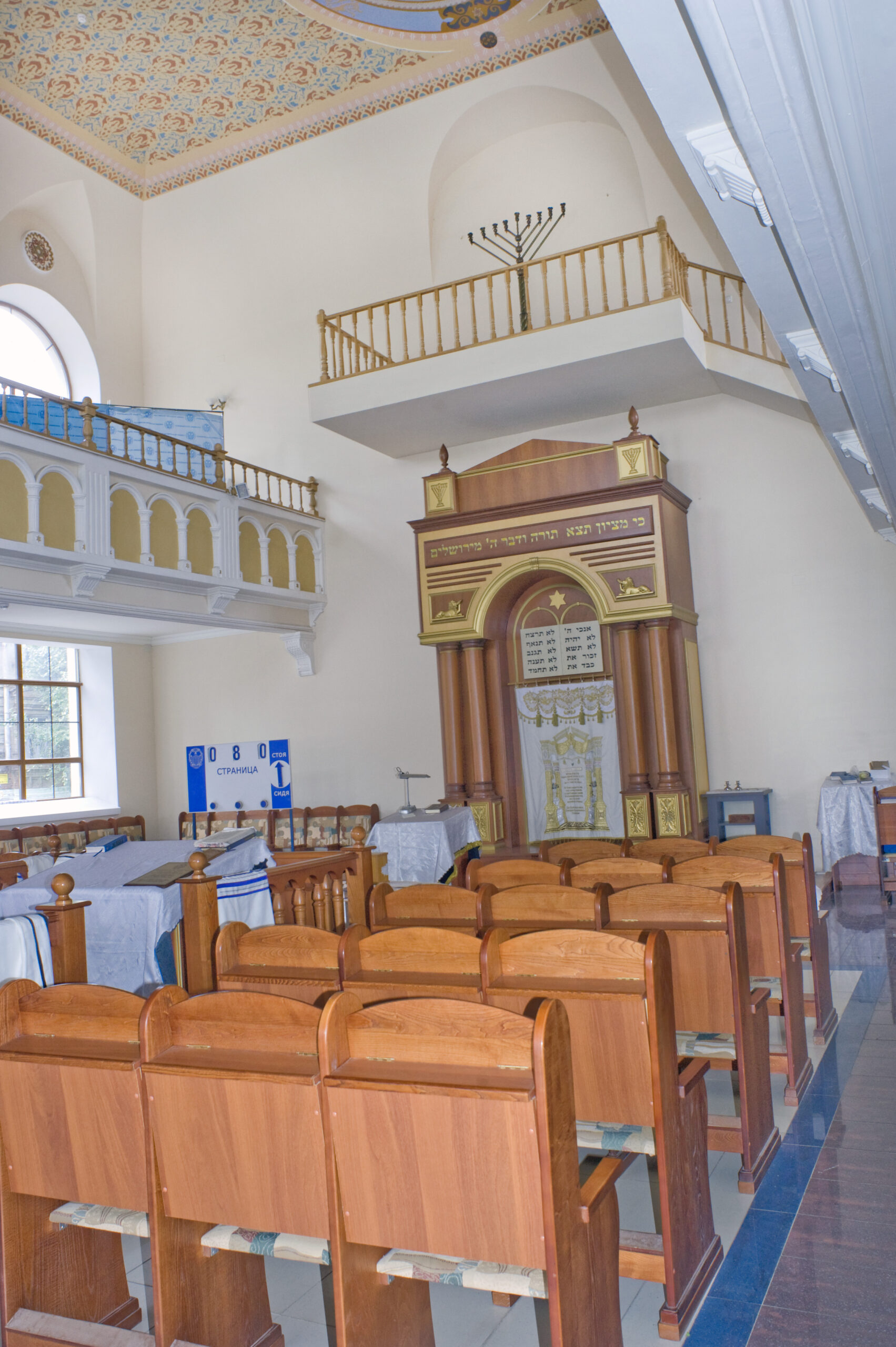
10/20/2016 0 SOLDATSKAIA SYNAGOGA (SOLDIERS SYNAGOGUE), INTERIOR, SANCTUARY,
WILLIAM C. BRUMFIELD
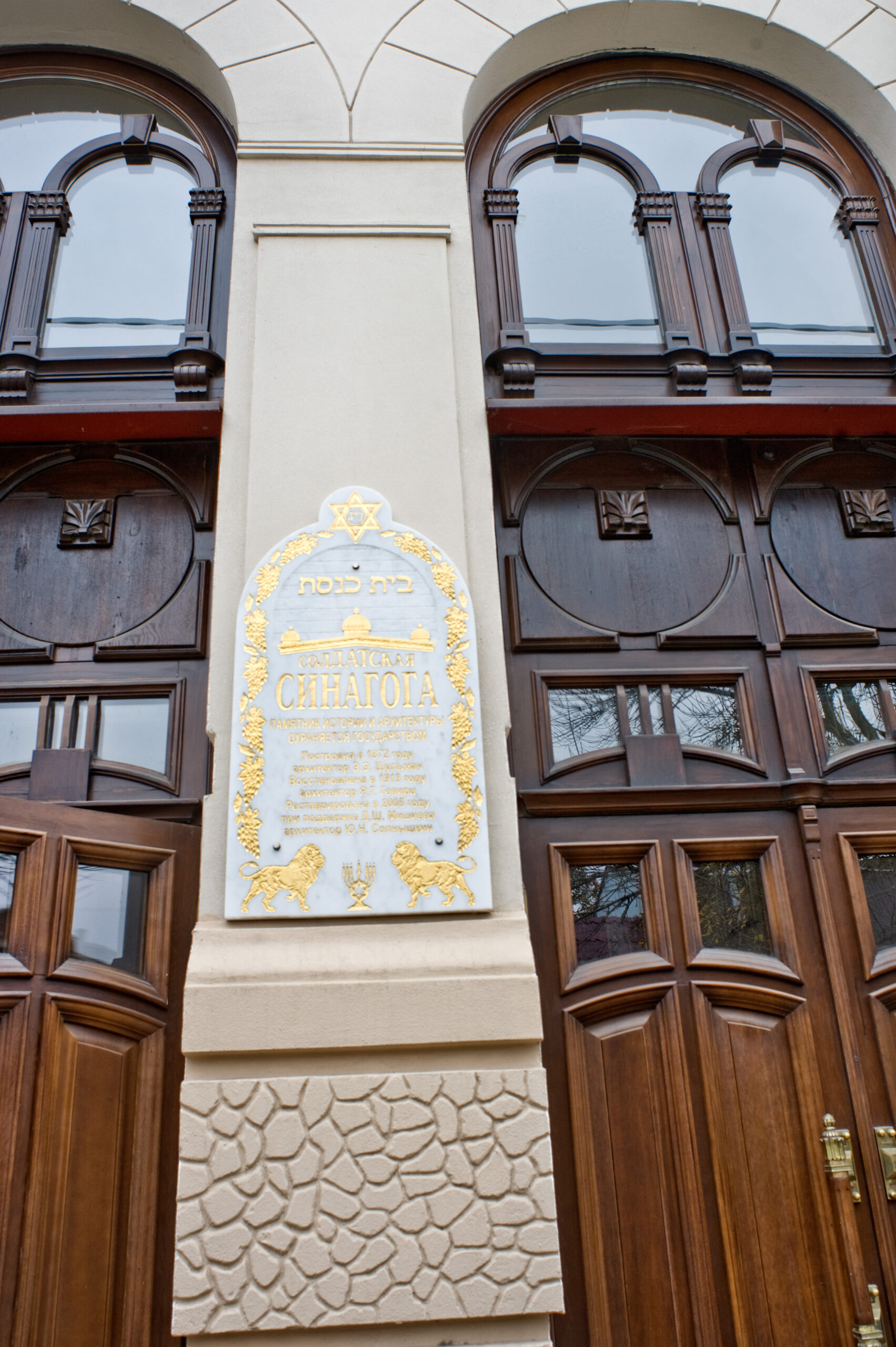
10/20/2016 00:00:00 SOLDATSKAIA SYNAGOGA (SOLDIERS SYNAGOGUE), MAIN ENTRANCE WITH ME
WILLIAM C. BRUMFIELD ROSTOV-NA-DONU
Sources: Wikipedia (translated via Yandex); Sudjic, Deyan. The Life and Career of Boris Iofan. Royal Academy of Arts, 2022.