
Rostov-on-Don
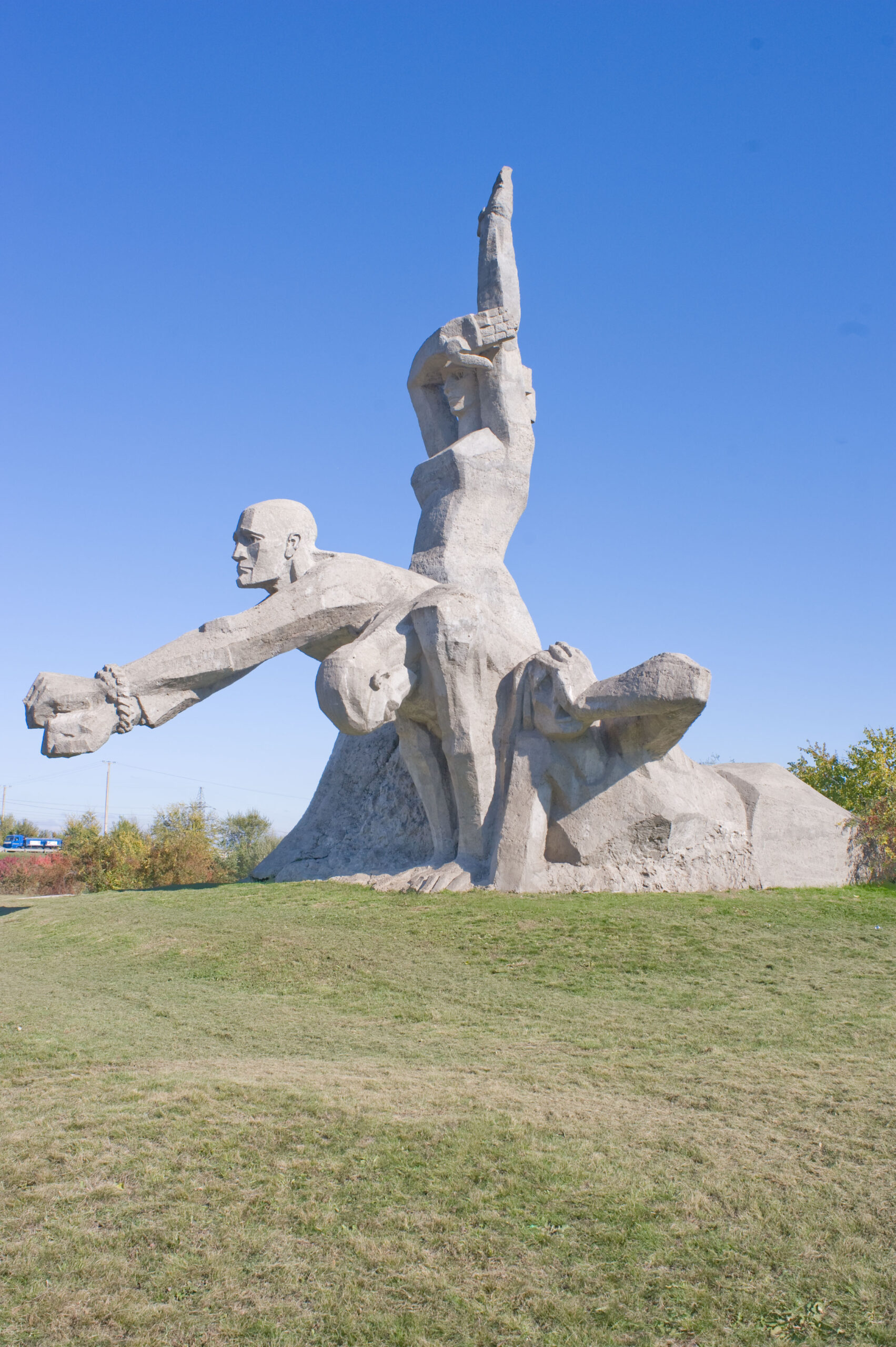
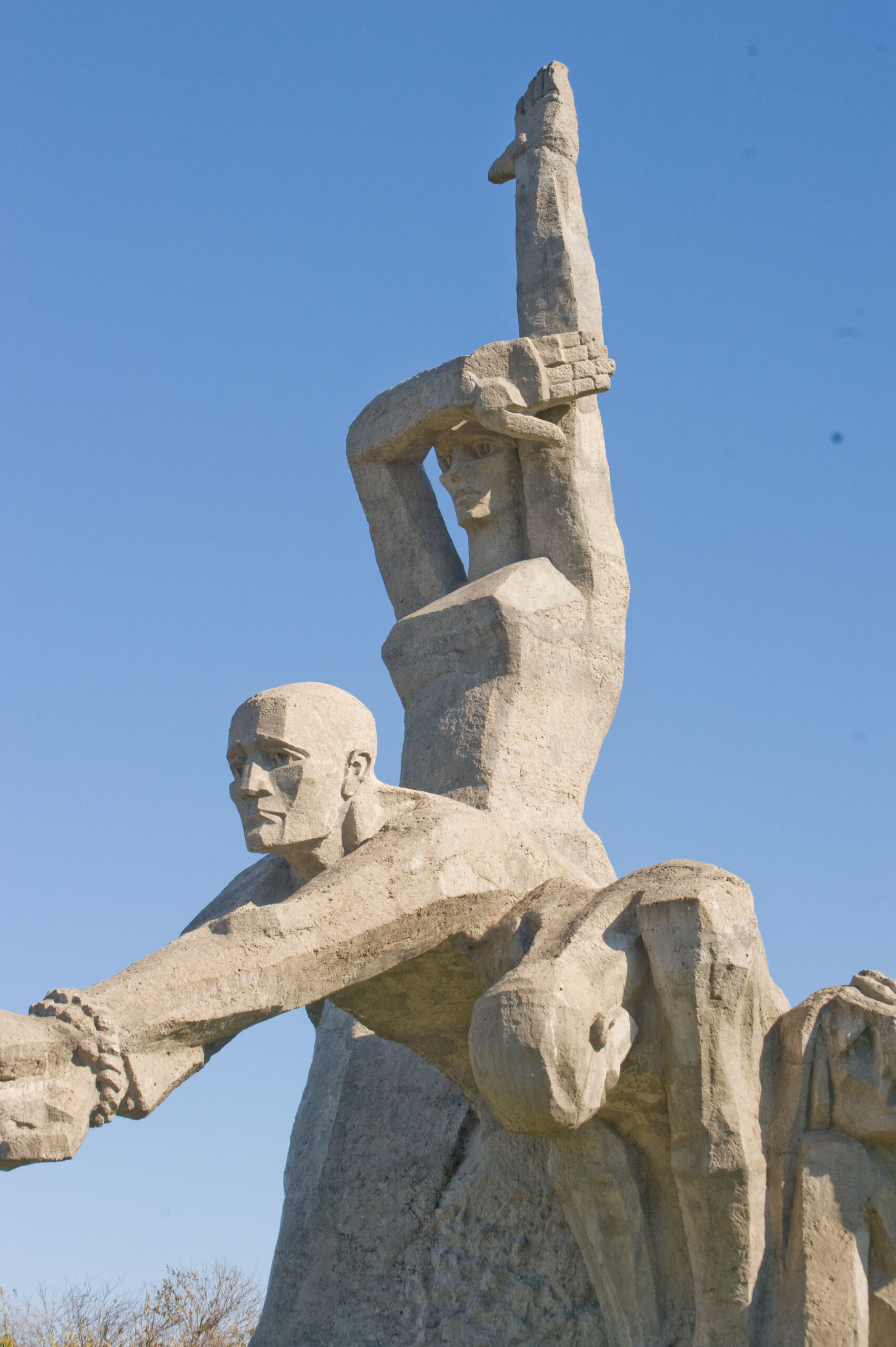
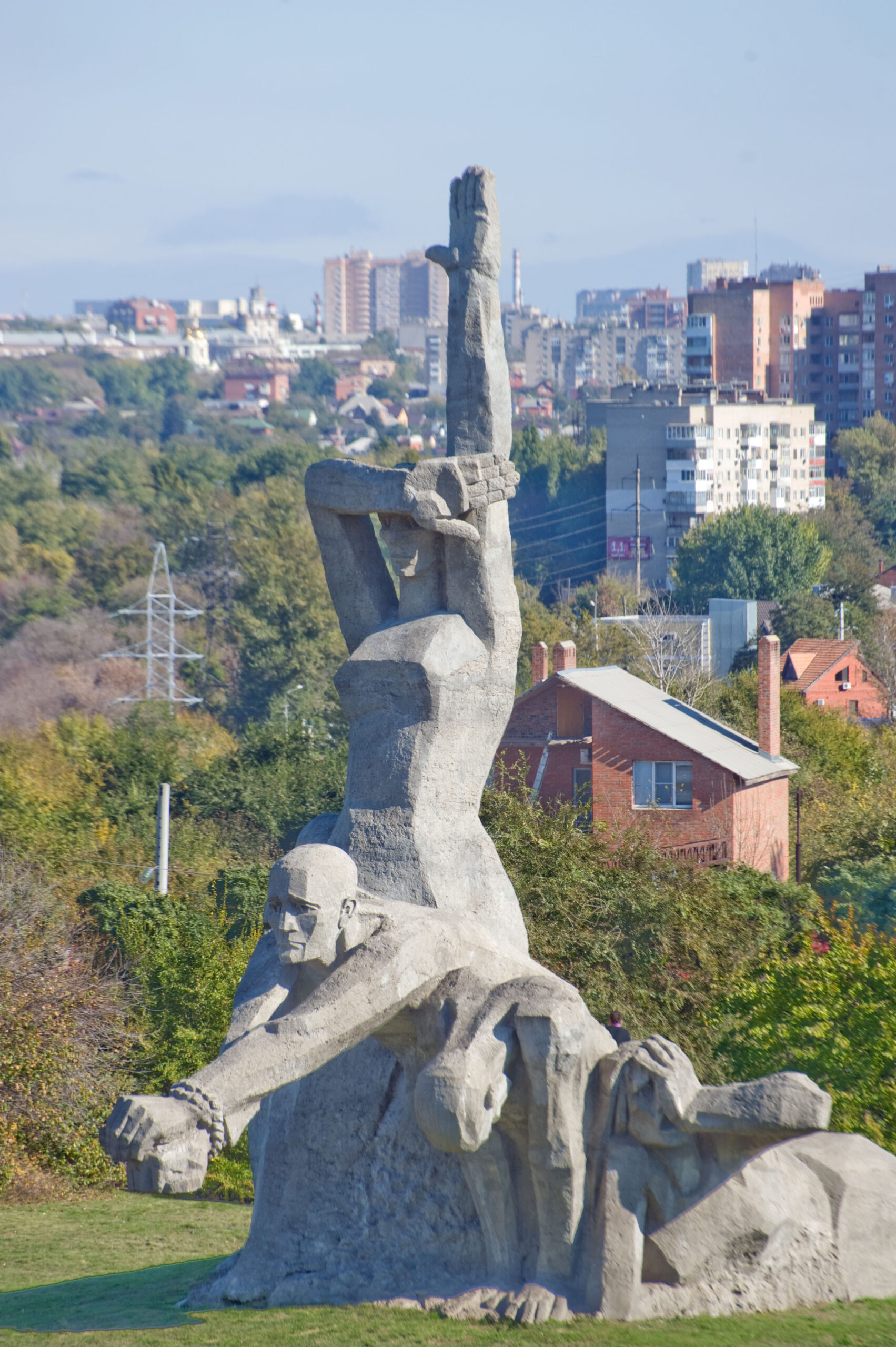
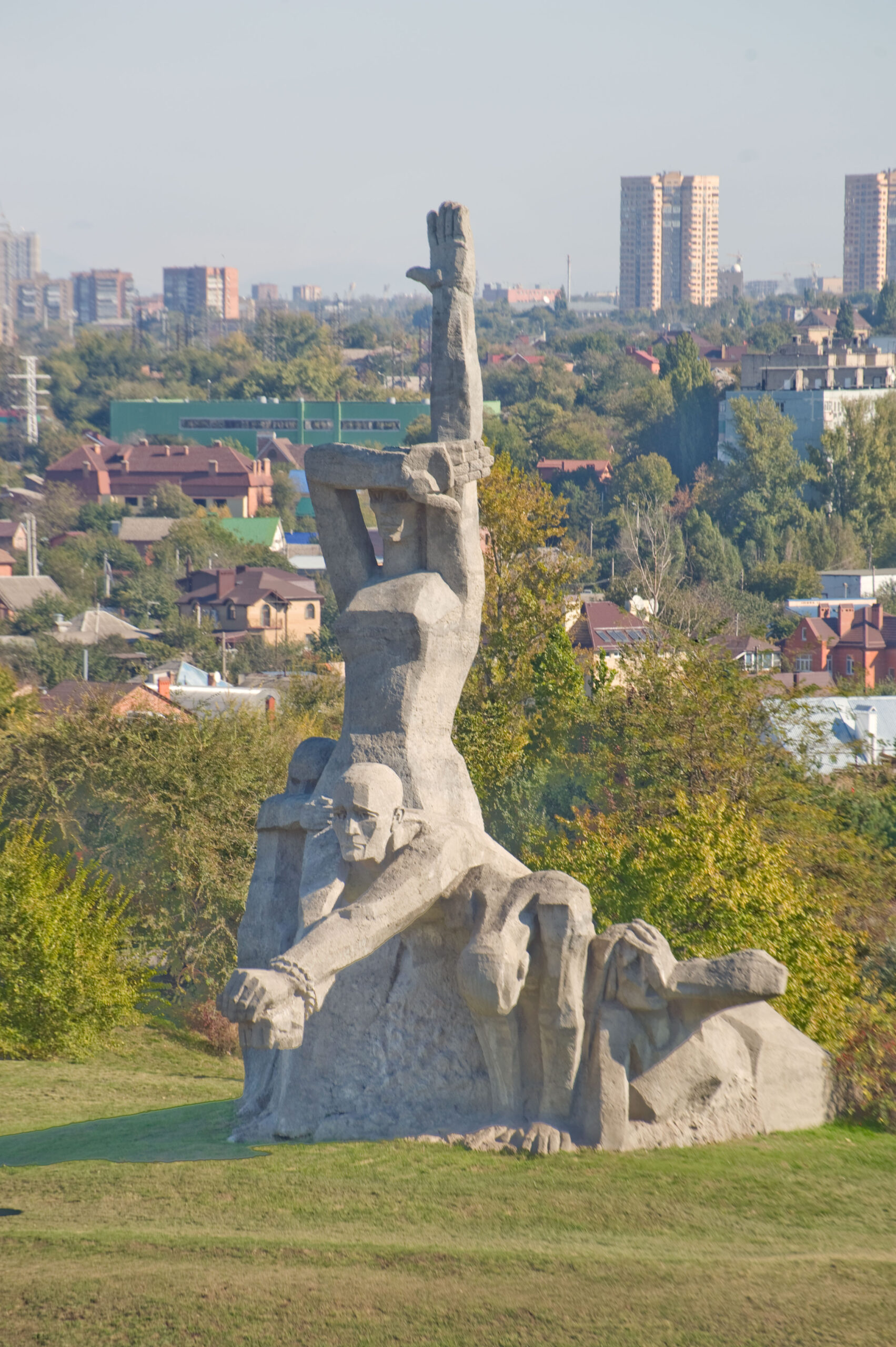
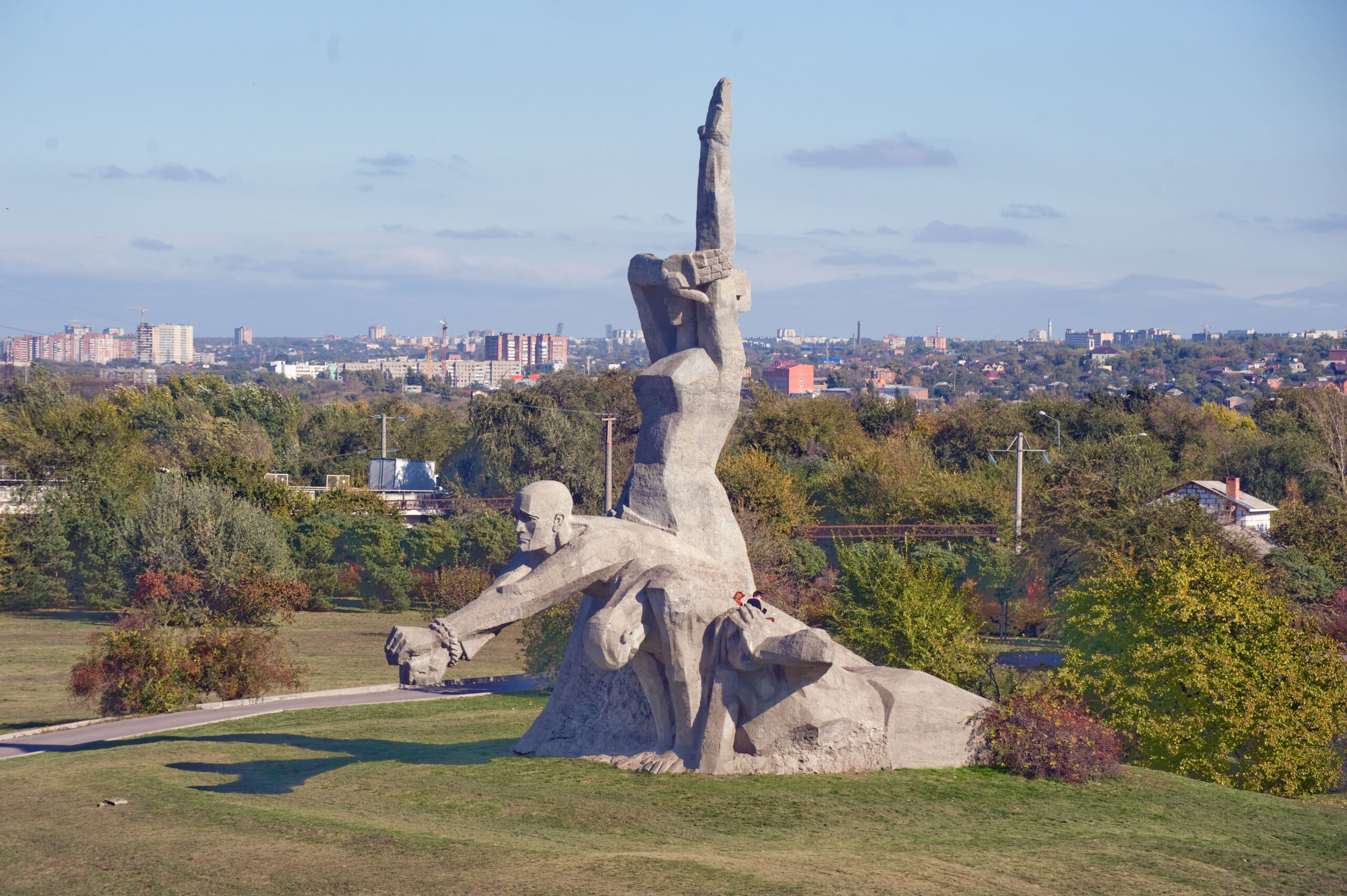
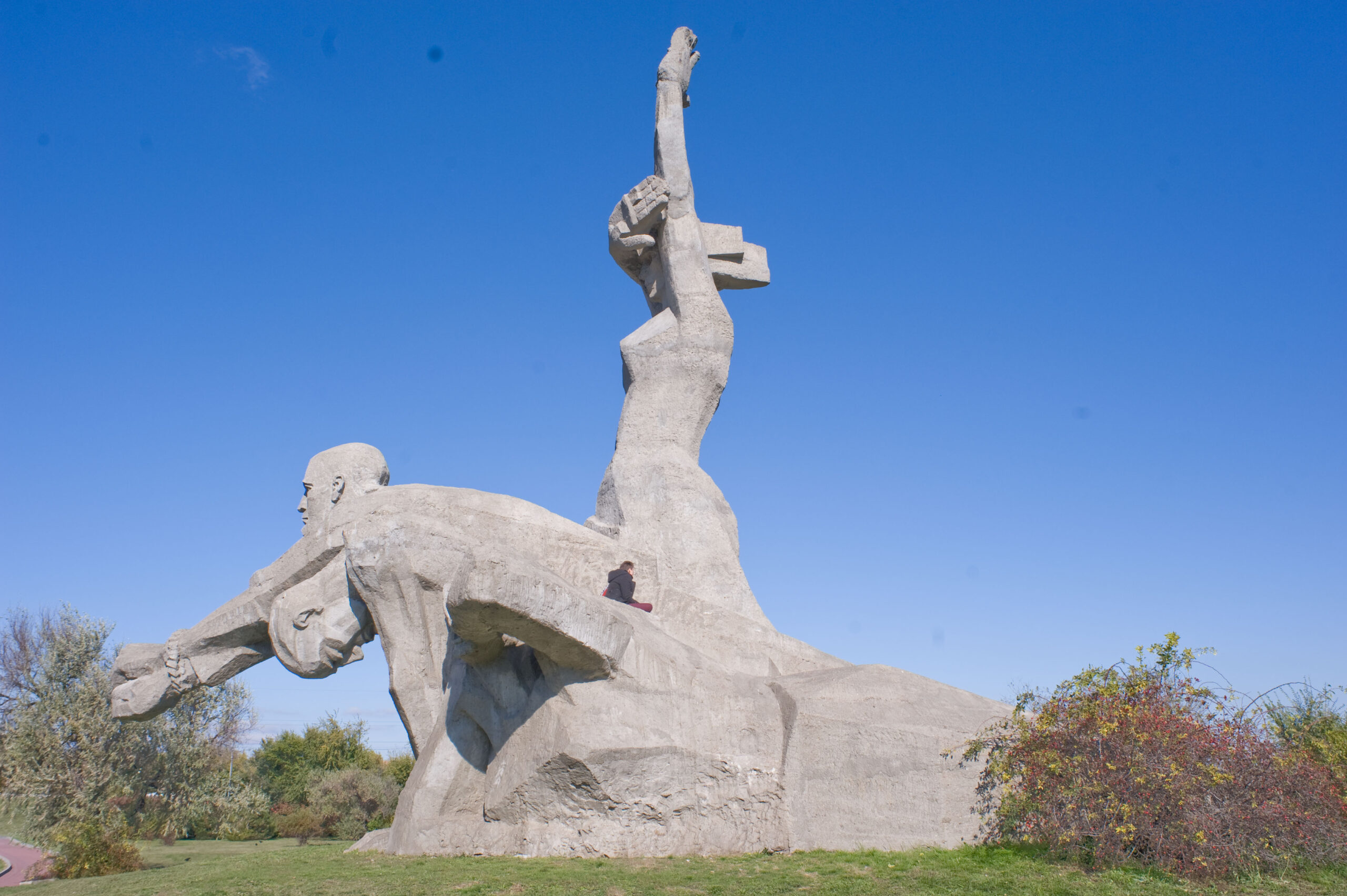
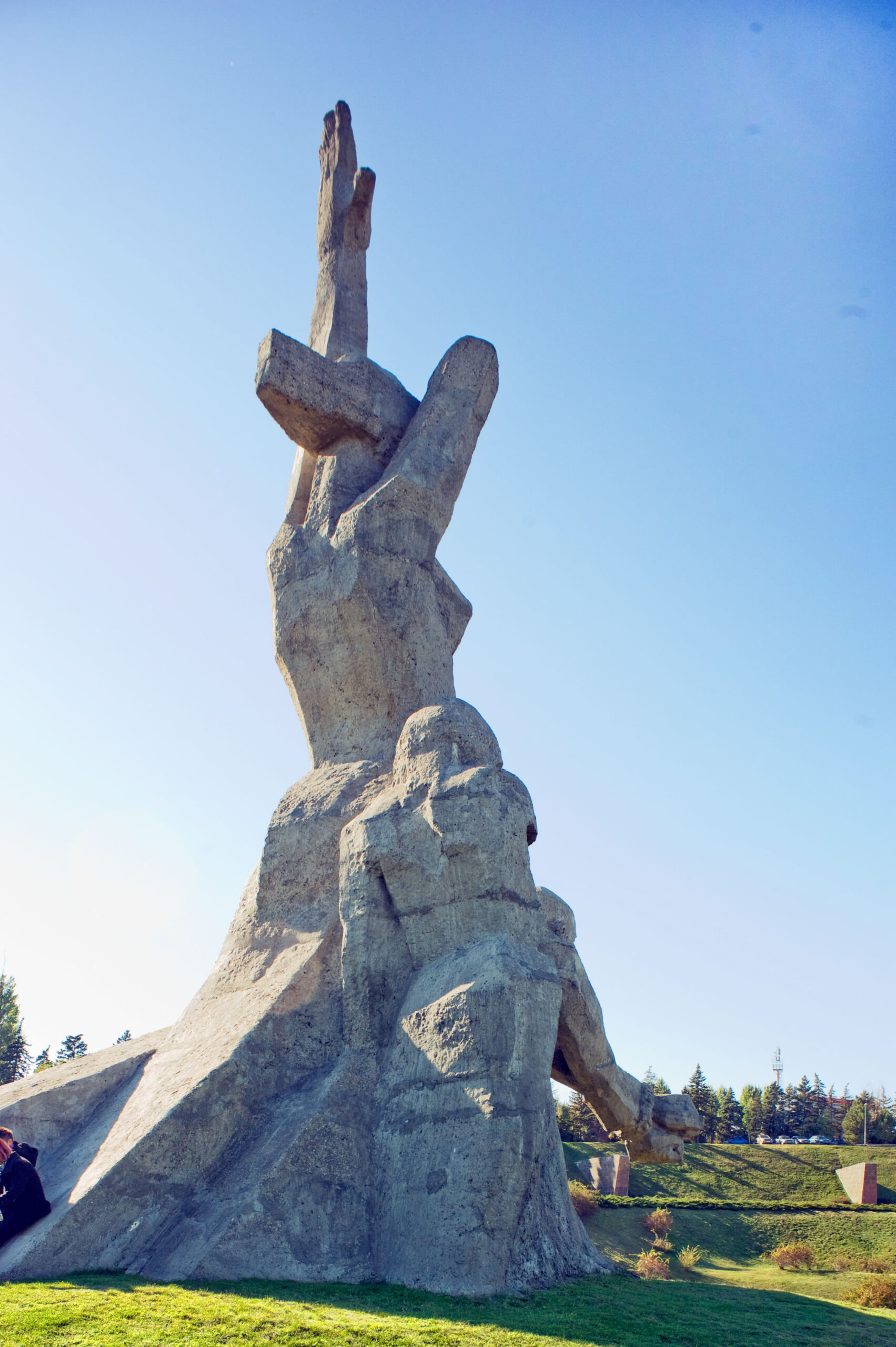
Zmievskaya Balka Memorial
27,000 Victims • 1942-1943
The largest mass grave of Holocaust victims in present-day Russia
Jewish civilians and Soviet prisoners massacred by Nazi occupying forces during the Great Patriotic War
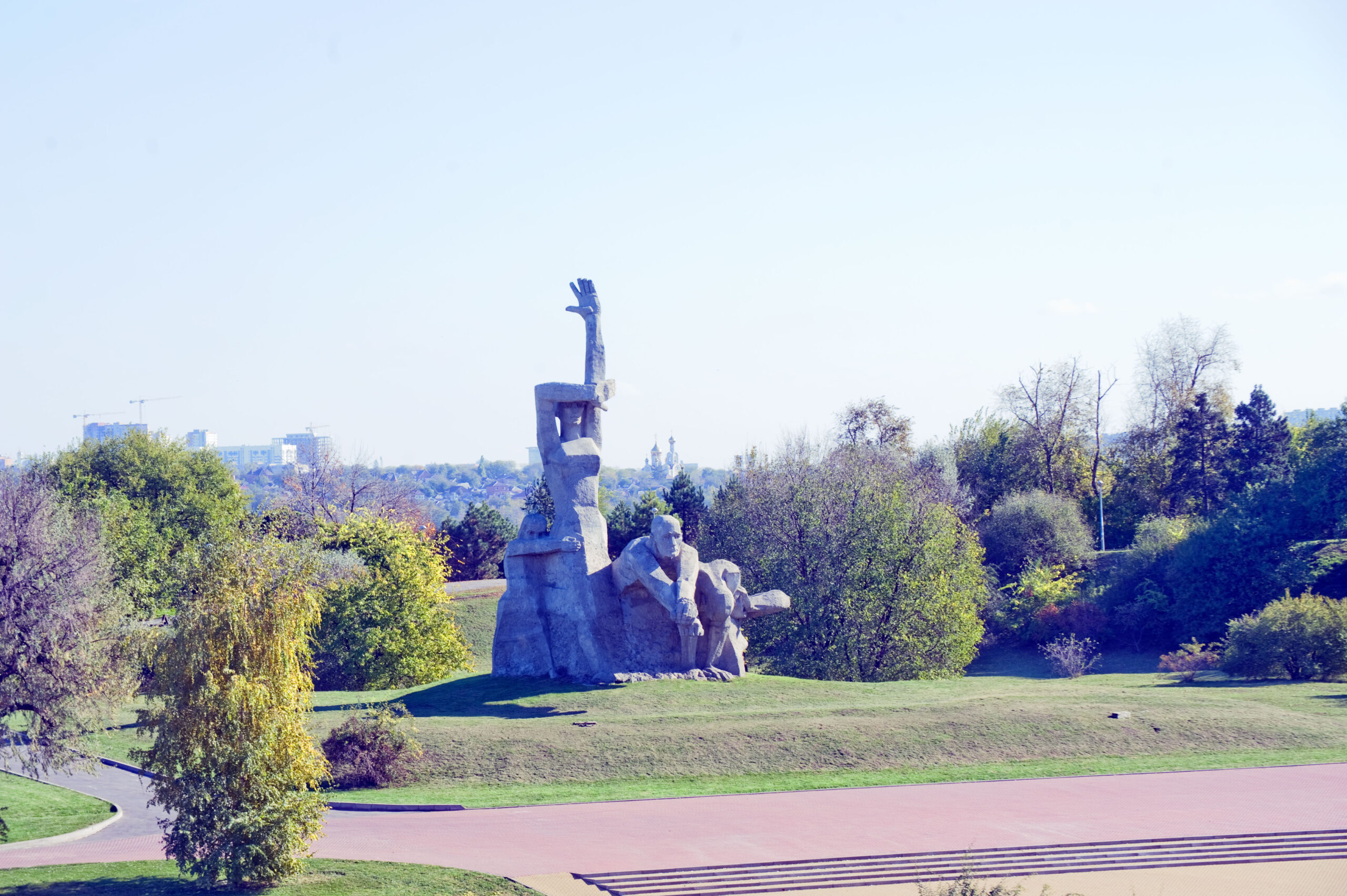
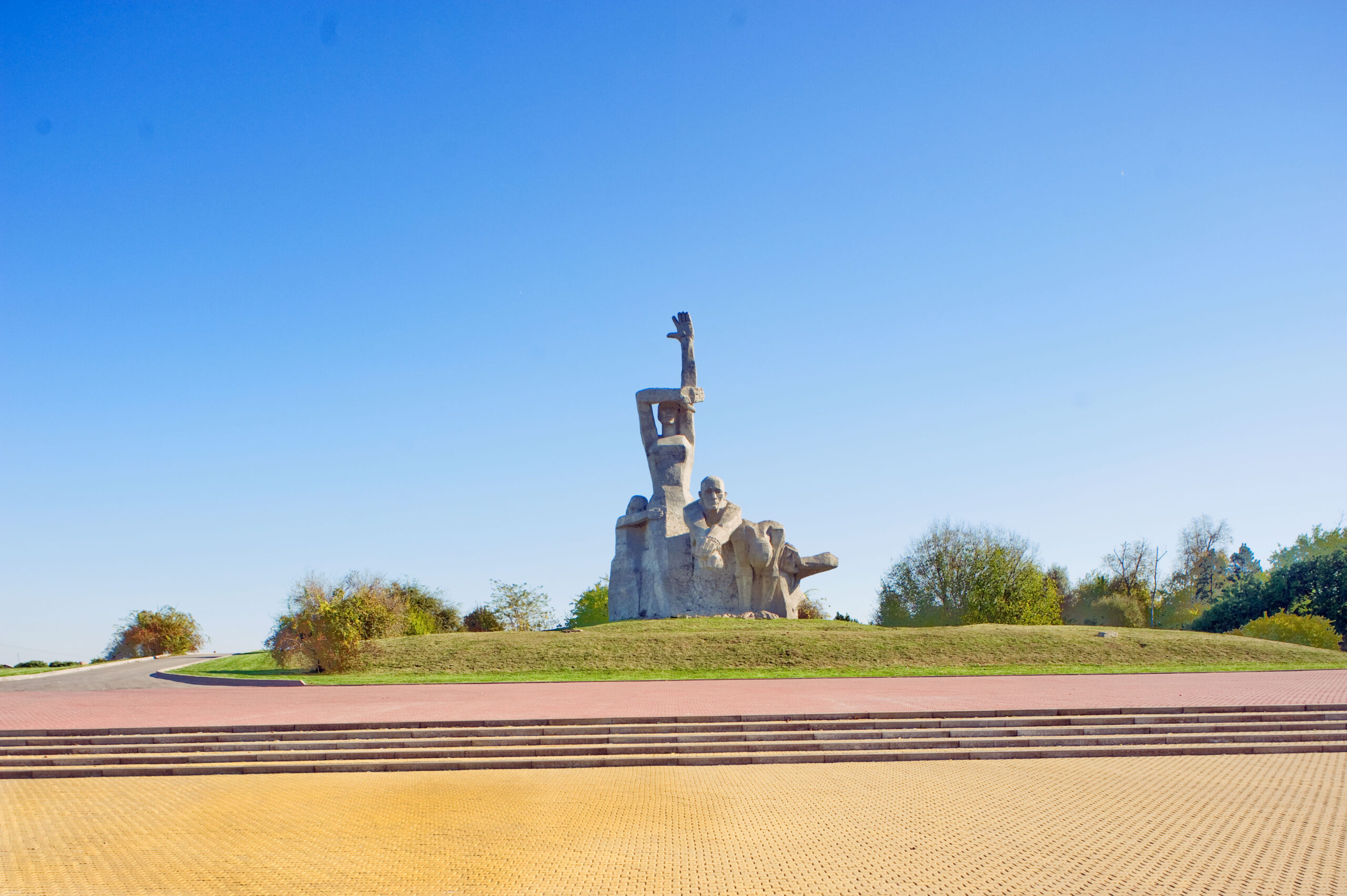
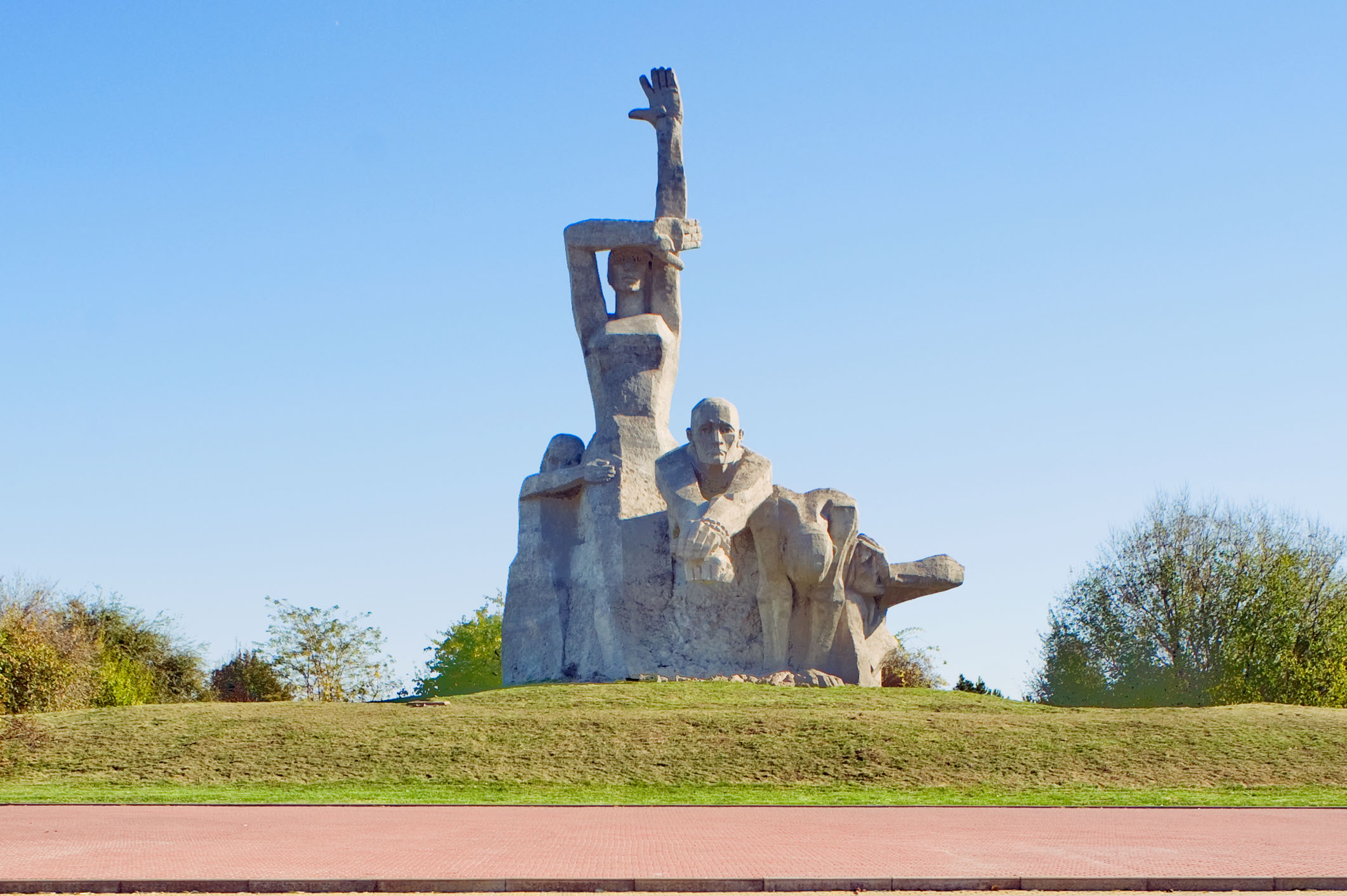
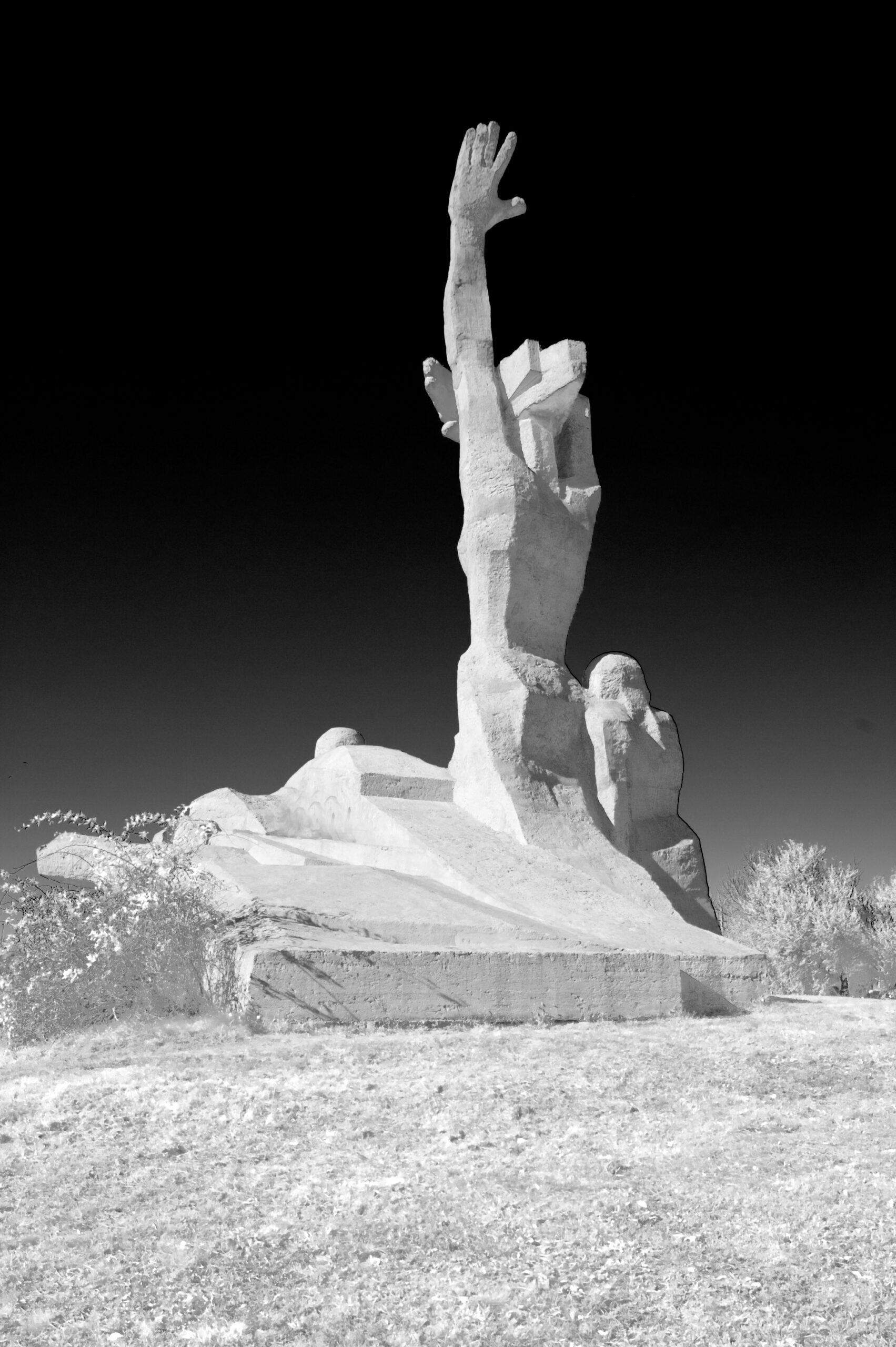
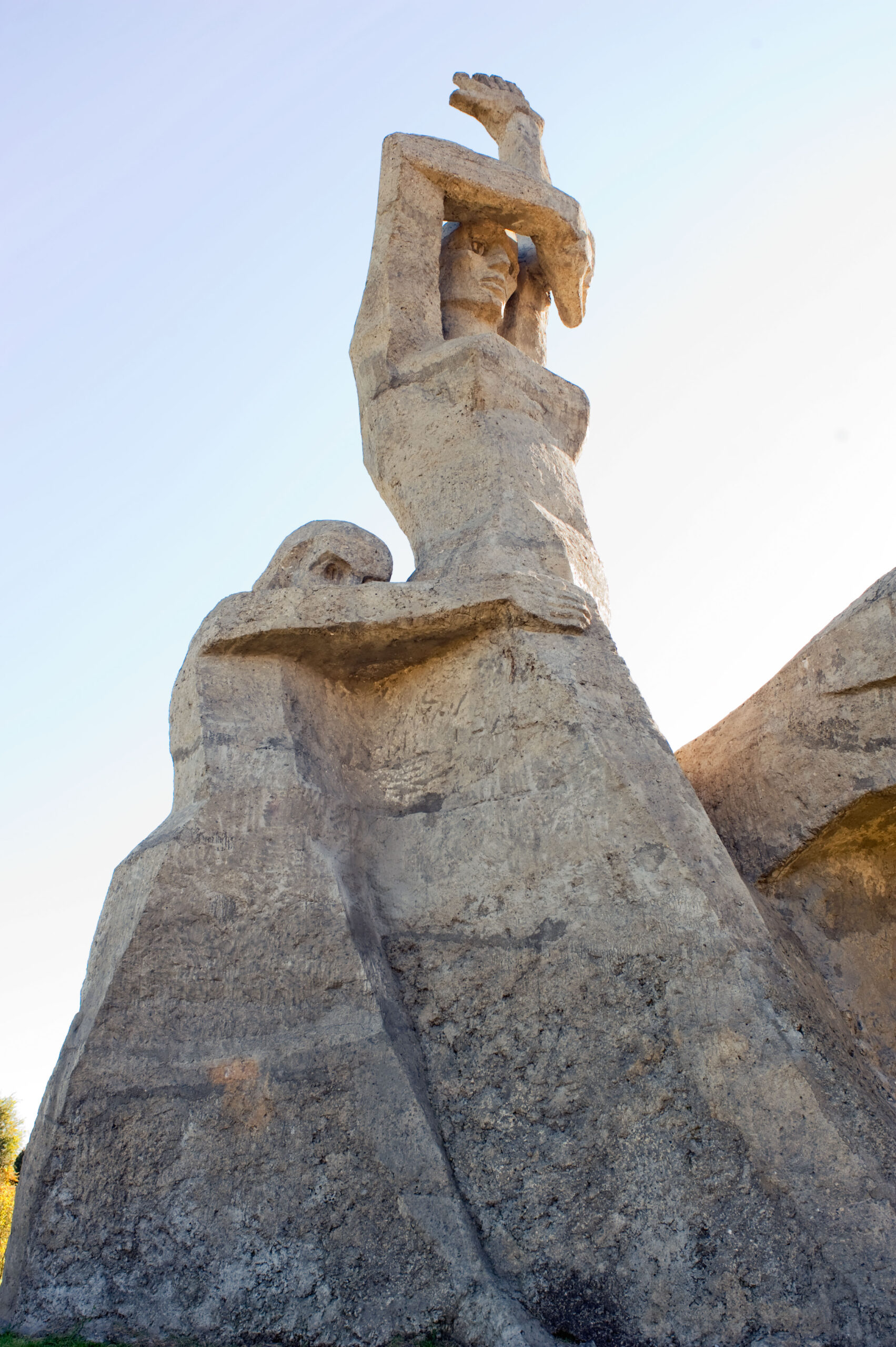
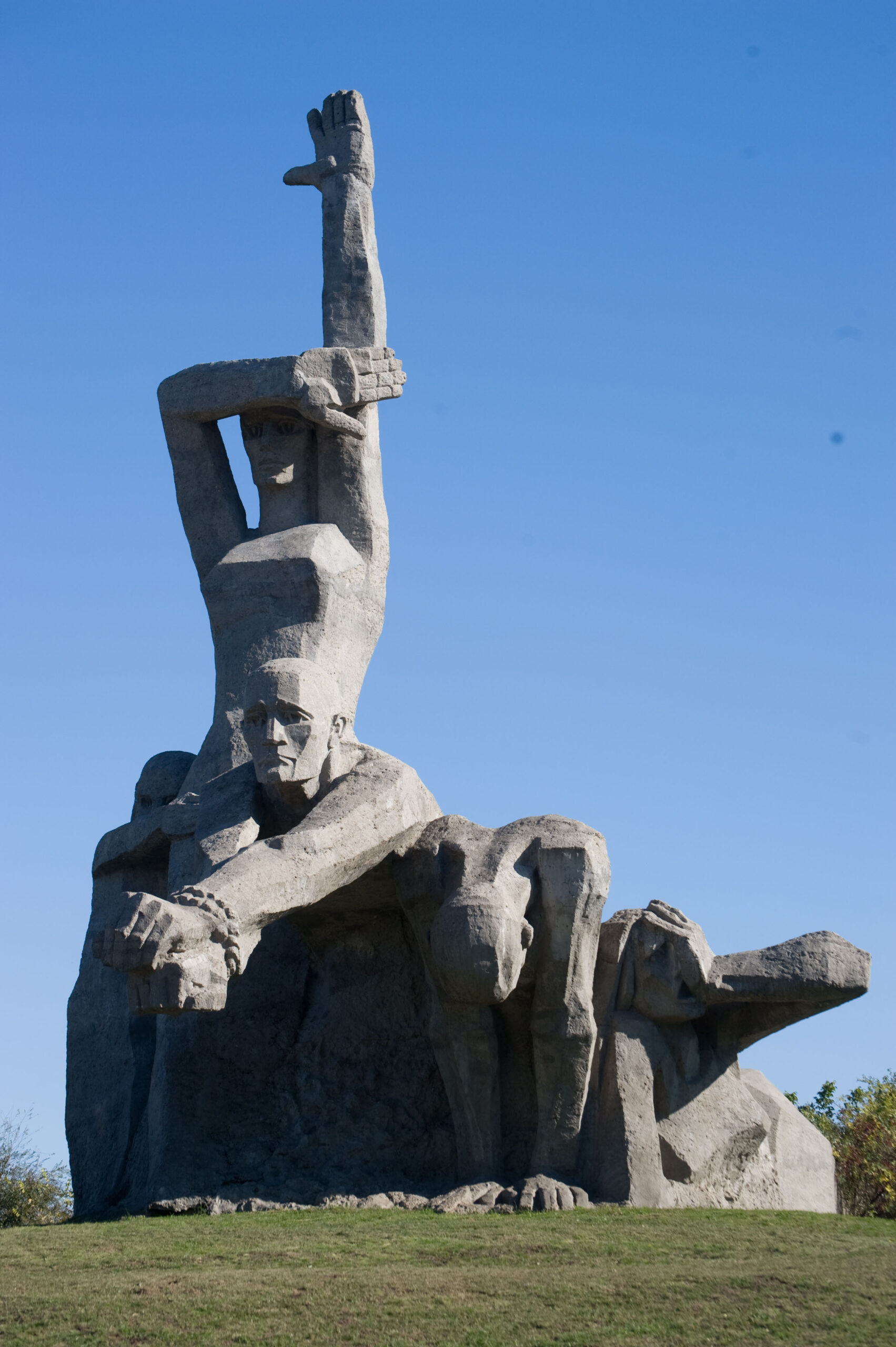
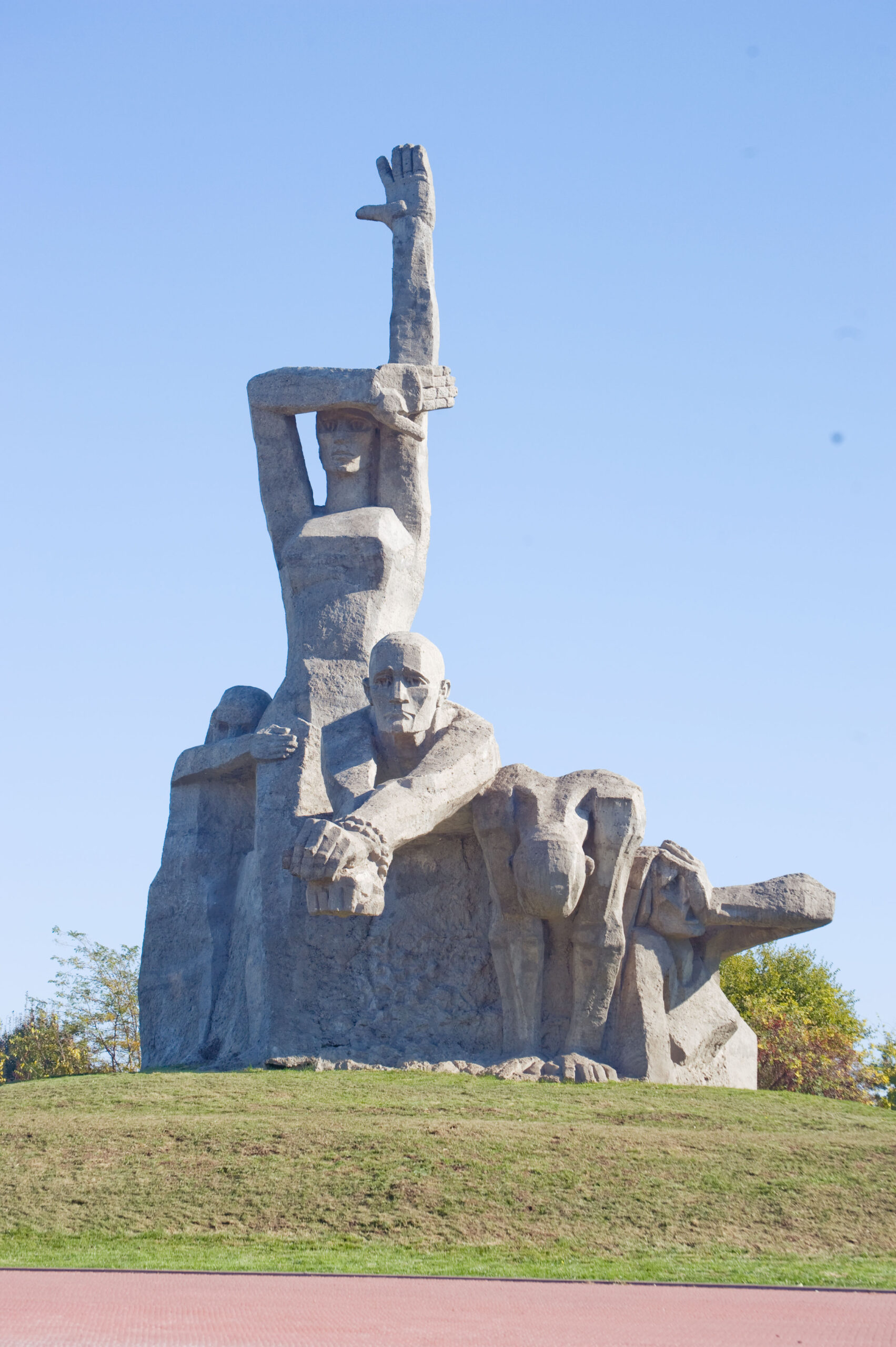
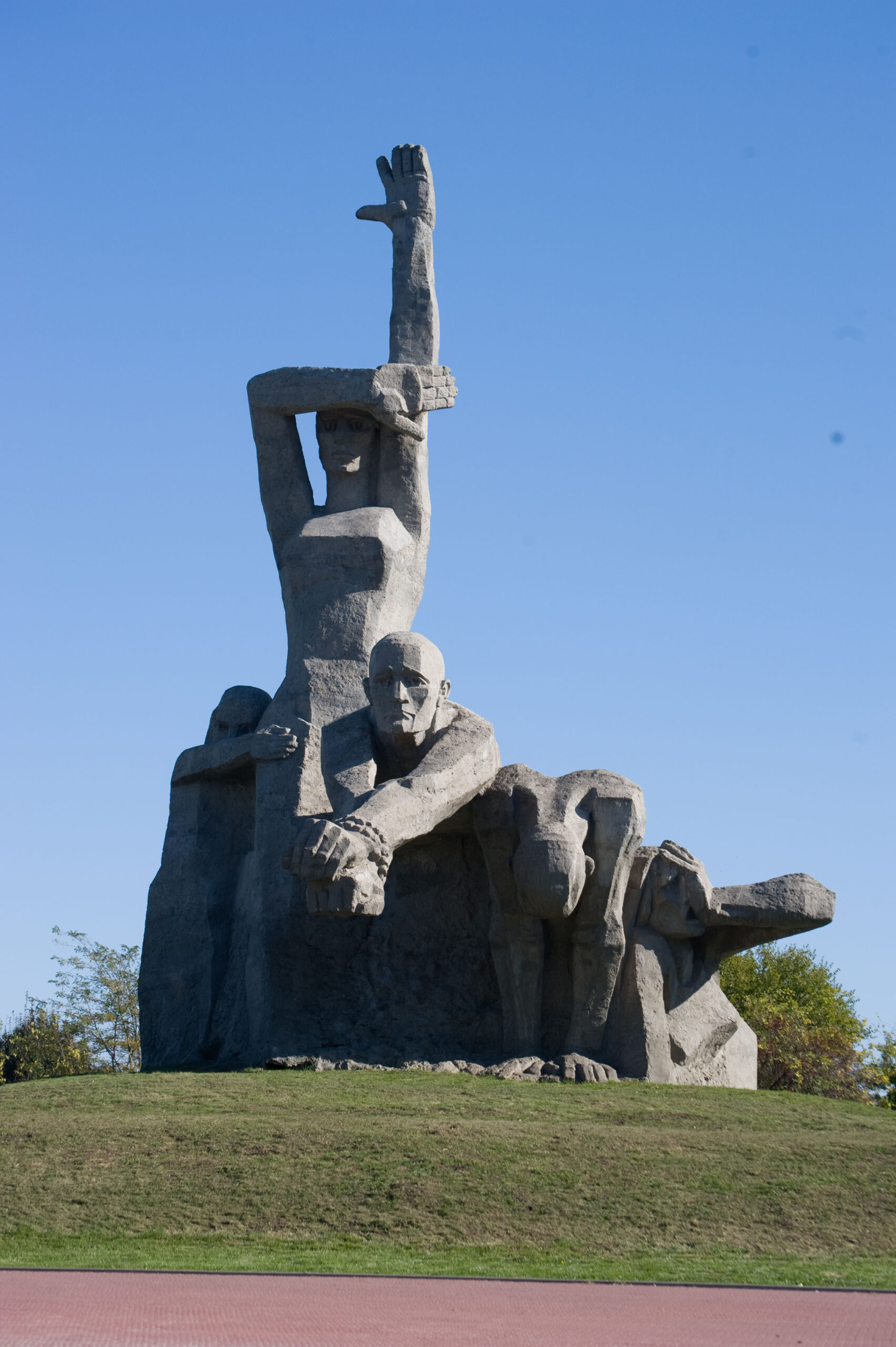

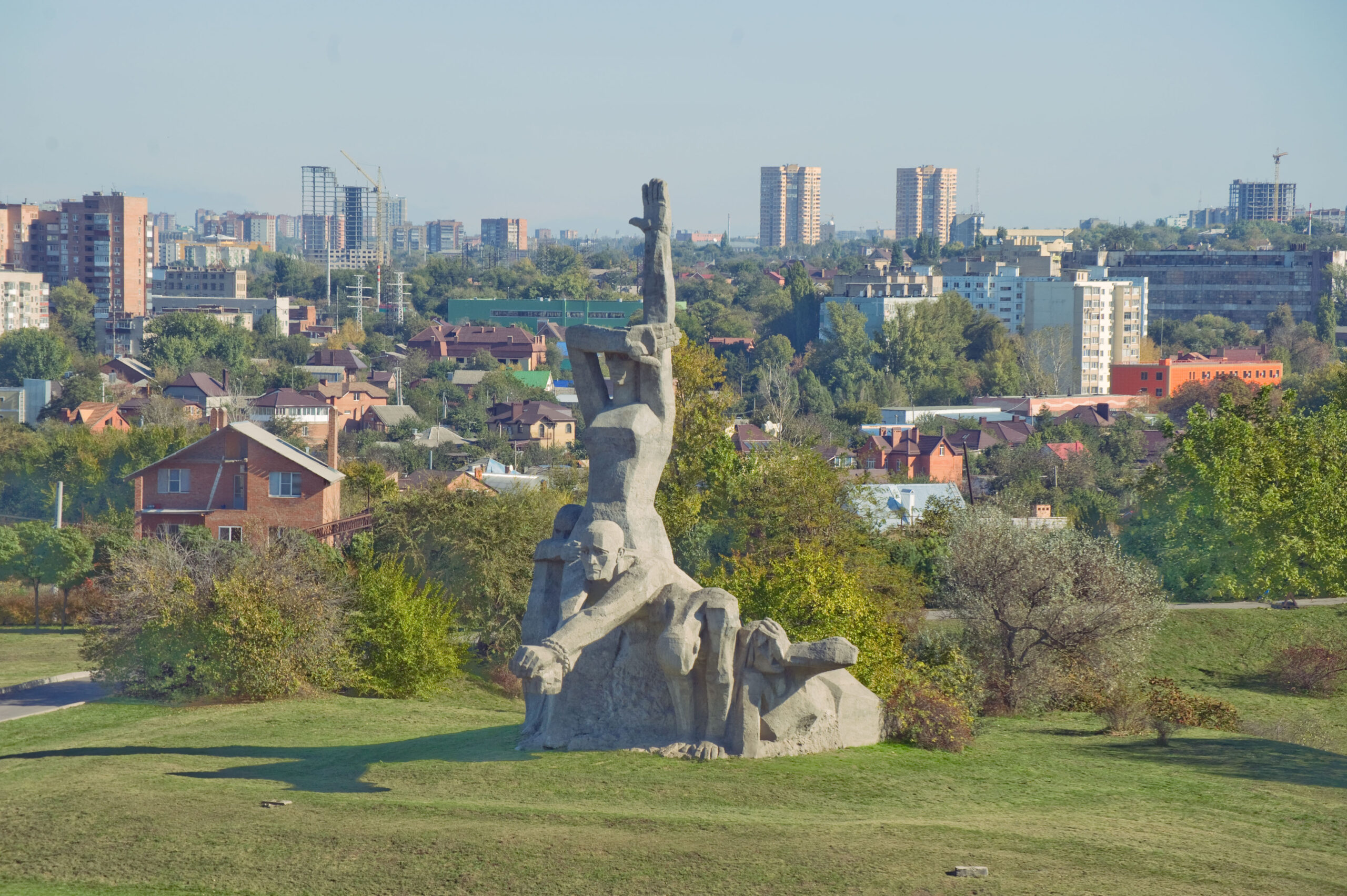
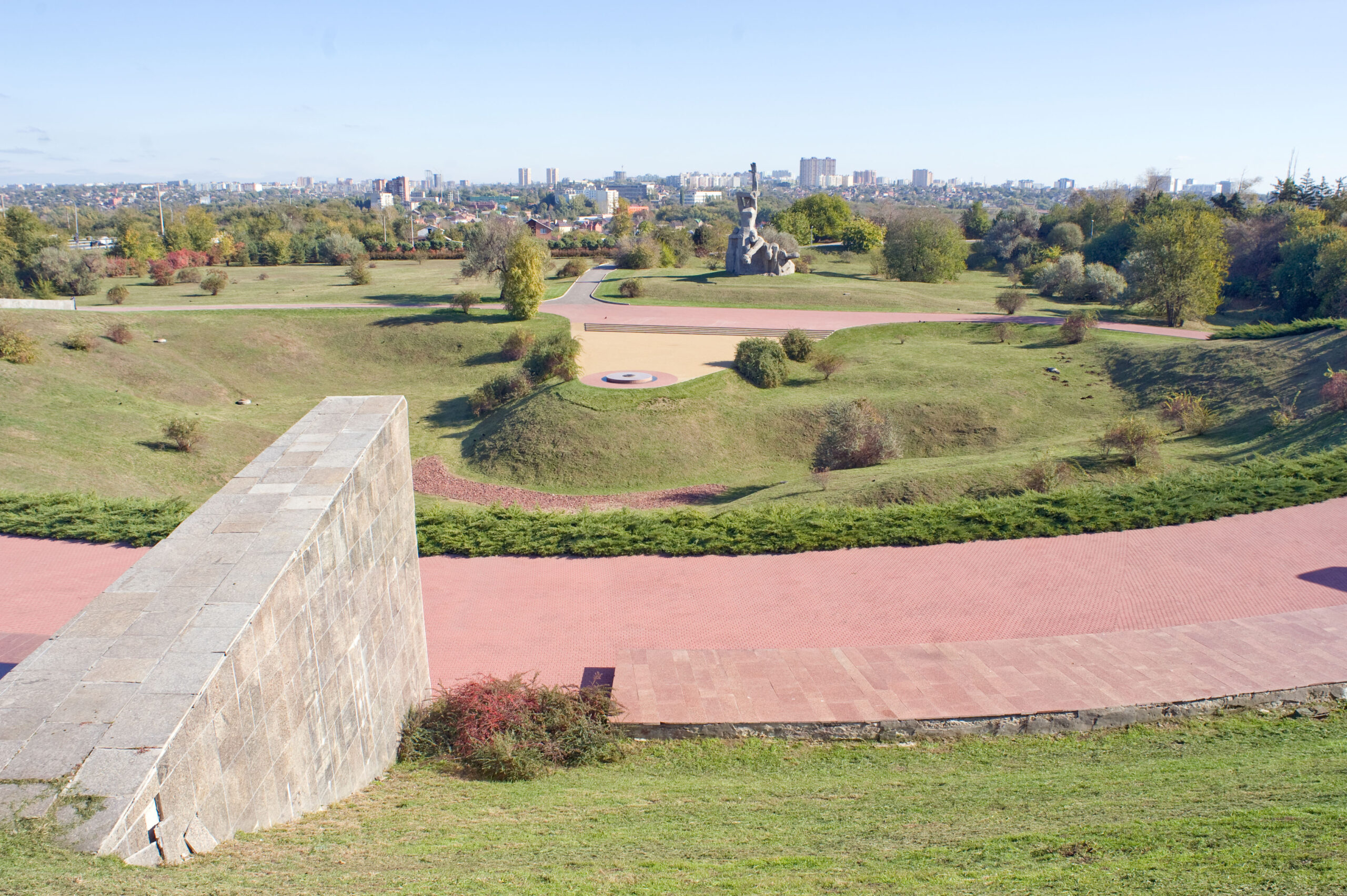
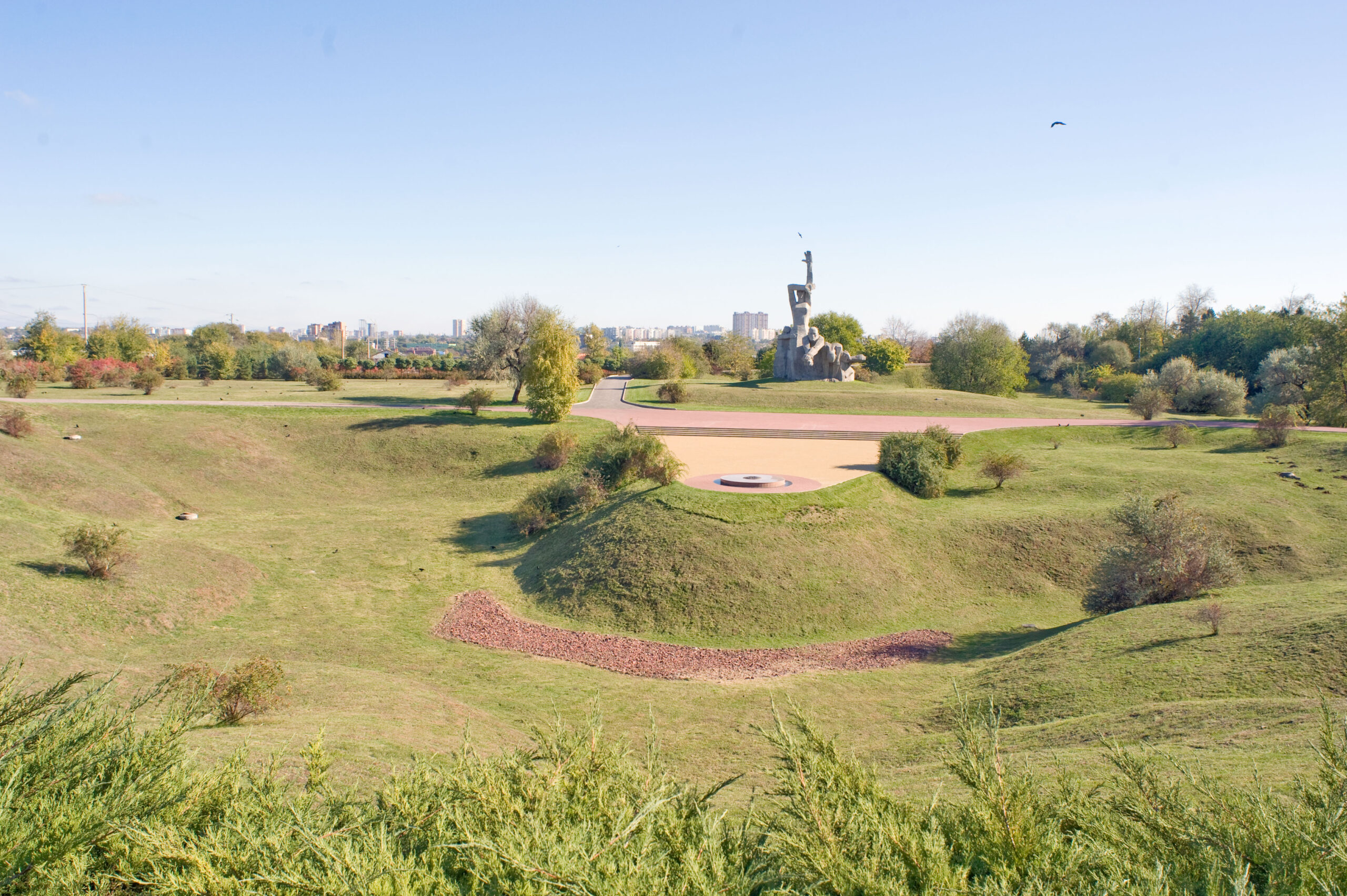
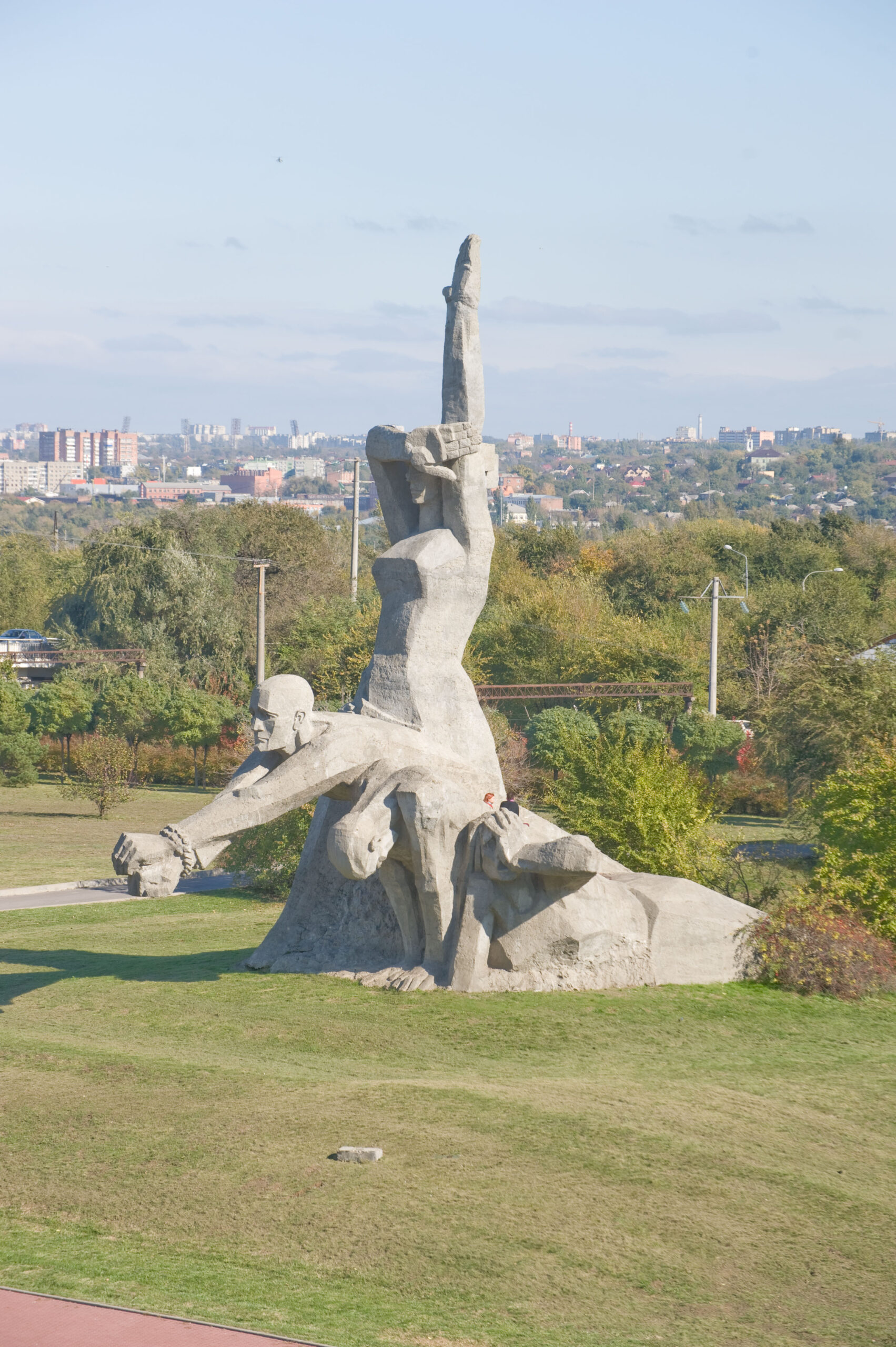
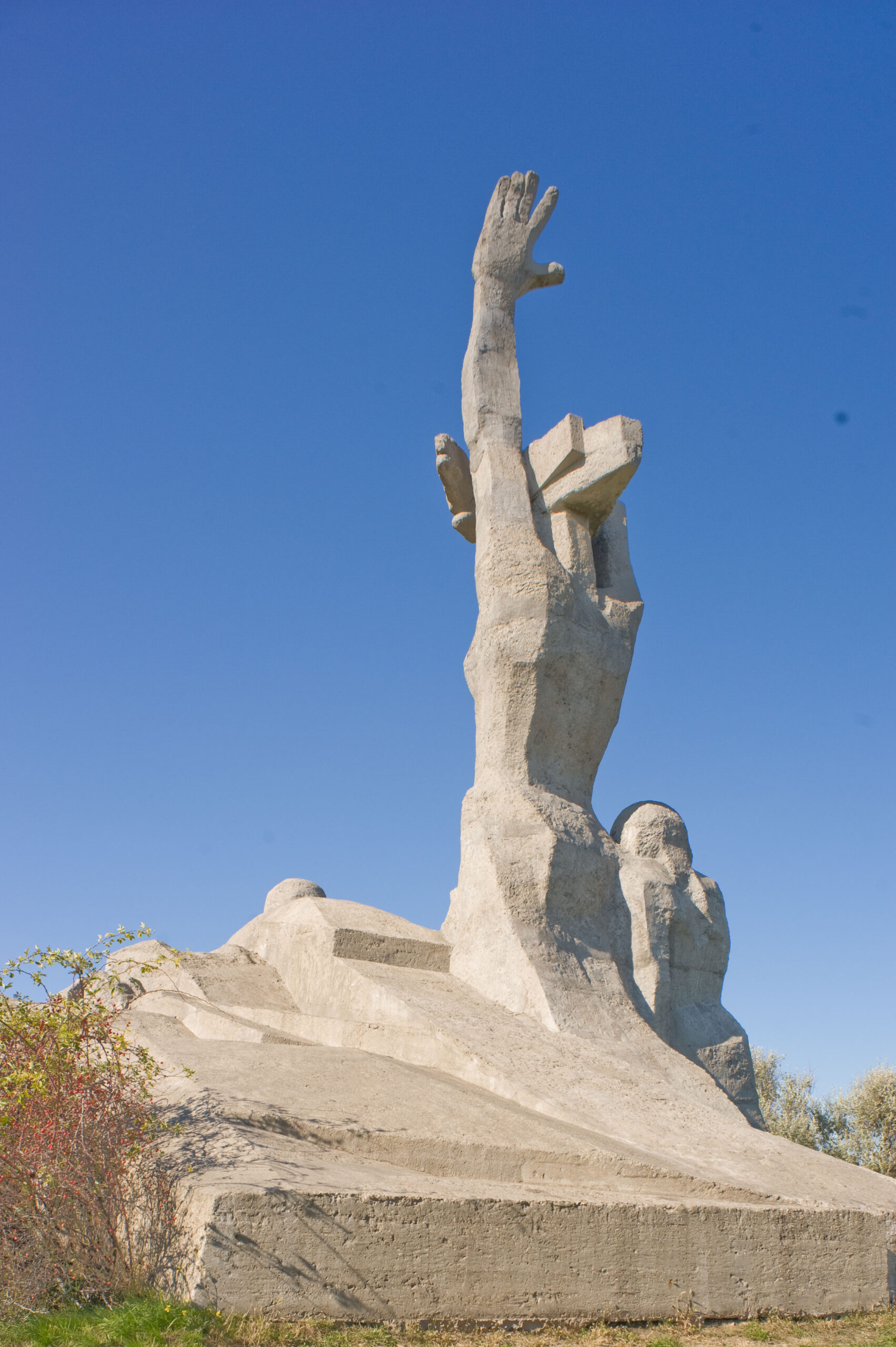
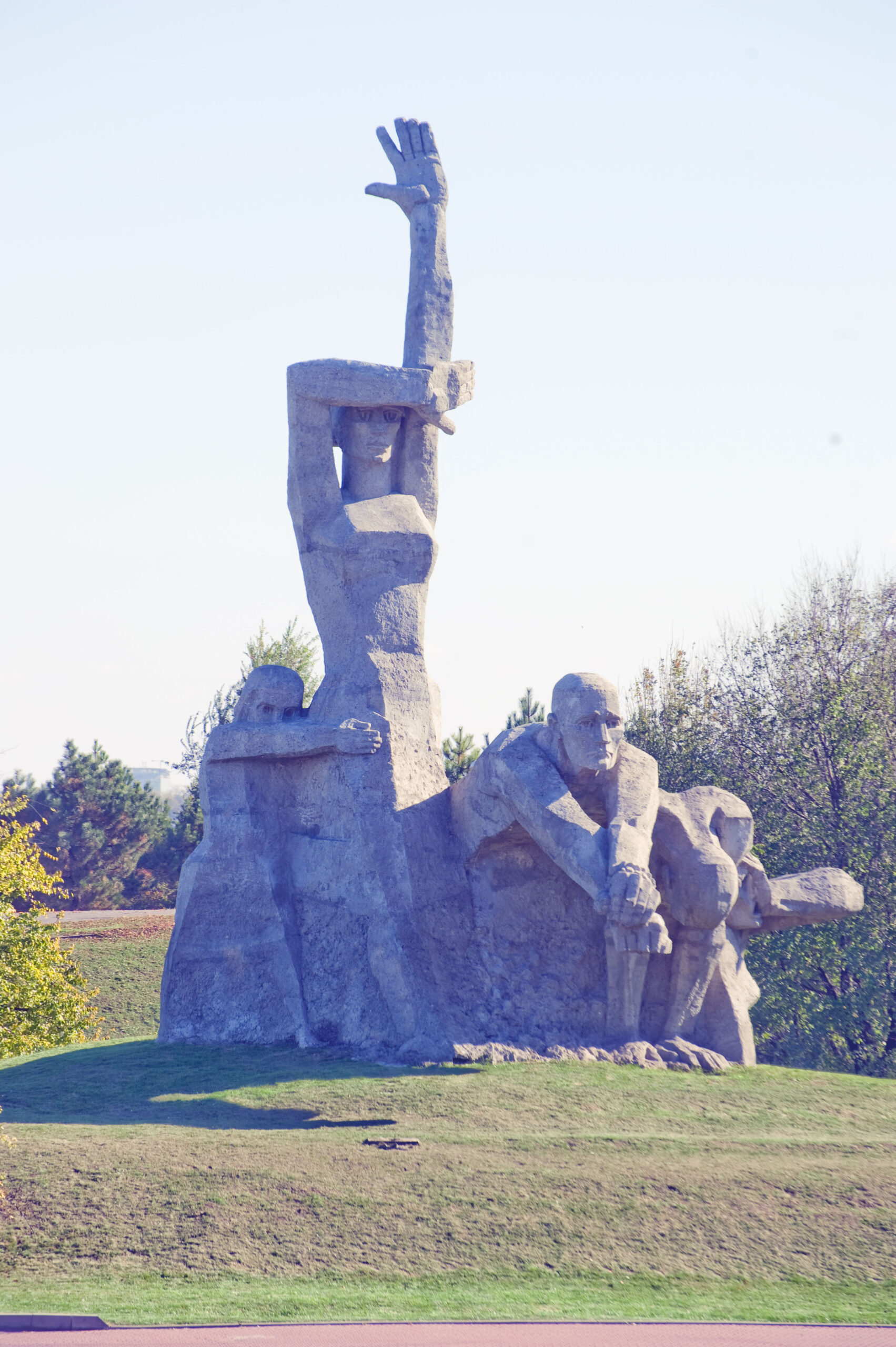
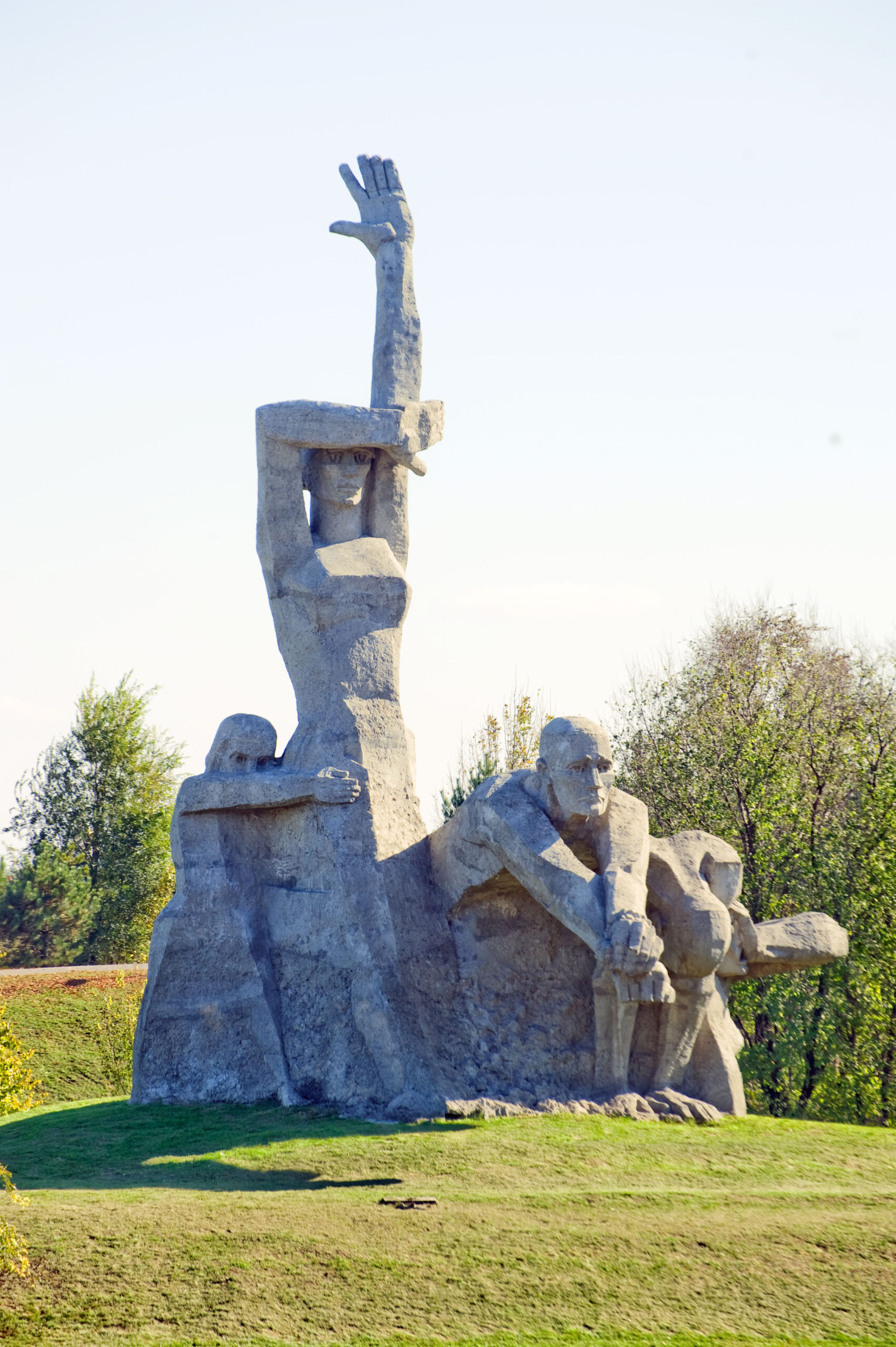
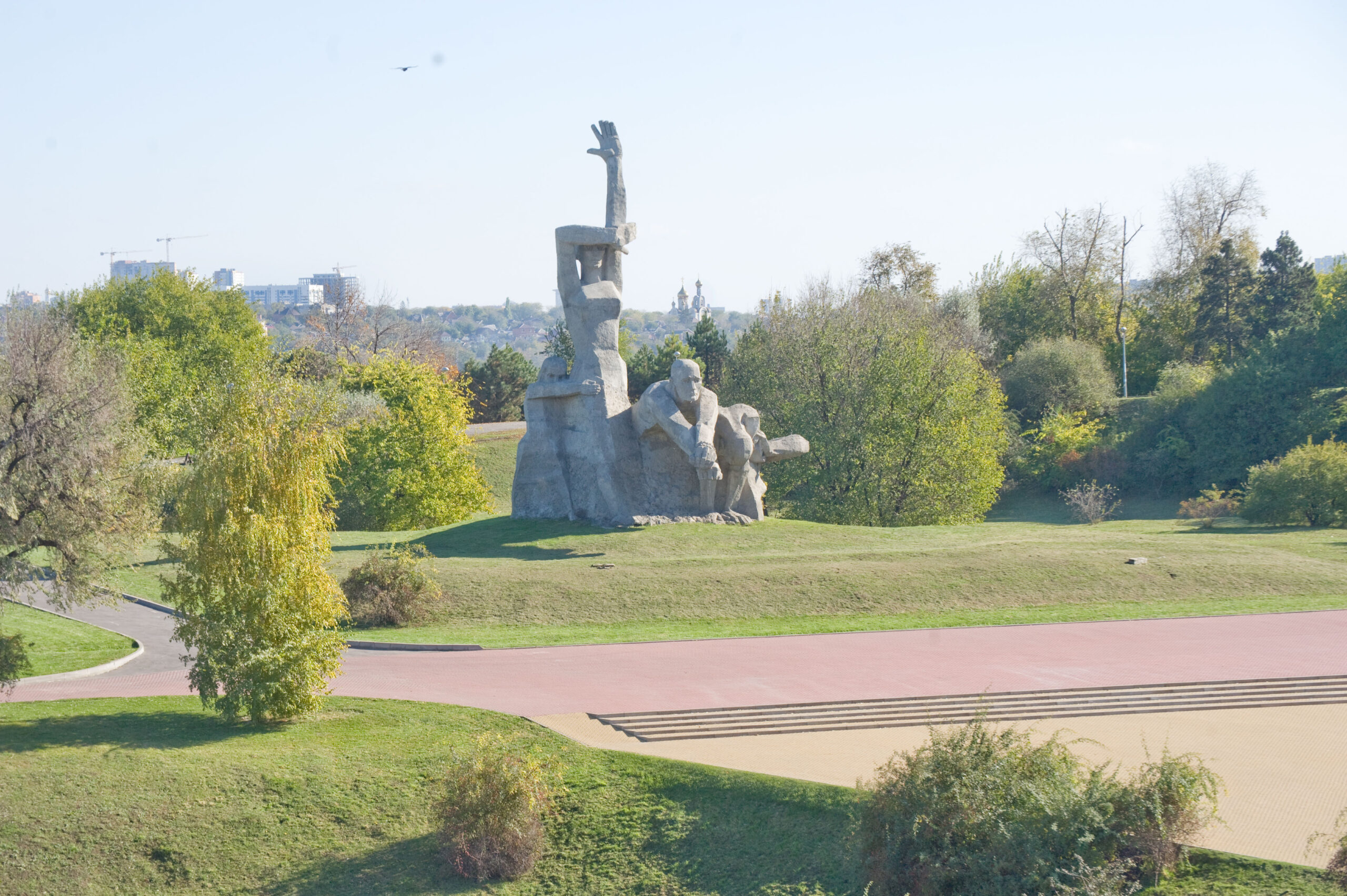
Zmievskaya Balka Memorial
What Happened in August 1942
In August 1942, following the German occupation of Rostov-on-Don, Nazi Einsatzgruppen and local collaborators carried out one of the largest single massacres of the Holocaust on Soviet territory. Jewish civilians — men, women, and children — were rounded up under the pretense of “resettlement” and transported to Zmievskaya Balka, a ravine and former stone quarry on the southwestern outskirts of the city.
On August 11 and 12, 1942, approximately 27,000 Jewish men, women, and children were shot and buried at the site. Zmievskaya Balka is today recognized as the largest Holocaust mass grave on the territory of present-day Russia — a site of immense historical and memorial significance.
The Plaque Controversy
The 2011 Incident
In 2011, local authorities removed a memorial plaque that identified the site as the place where “27,000 Jews” were killed. Following complaints from local residents asking “why is it always about the Jews,” the city council panicked and replaced the plaque with one that referred only to “27,000 Soviet citizens,” erasing the specific identity of the majority of victims.
Jewish community organizations immediately challenged this erasure. As Alla Gerber, head of the Holocaust Fund, stated: “The Nazis killed many people, but they killed Jews only for being Jews.”
The Compromise
After two years of advocacy and gathering names to prove the majority were Jewish, a compromise was reached in 2013. A new plaque was installed with revised text, moved from its outdoor location to inside the memorial complex.
“Here, in Zmiyevskaya Balka, in August 1942, Hitler’s occupiers destroyed more than 27,000 peaceful citizens of Rostov-on-Don and Soviet prisoners of war. Among those killed were representatives of many nationalities. Zmiyevskaya Balka is the largest site of mass destruction of Jews by fascist invaders on the territory of the Russian Federation during the Great Patriotic War.”
As Alexander Kozhin of the Russian Society for the Preservation of Historical and Cultural Monuments noted, the goal was never to “highlight” Jewish victims above others, but to “return the nationality” to those who were killed specifically because of it.
Sources: L.F. Voloshinova, “History and Modernity of Zmiyevskaya Balka,” Don Timekeeper, 2013; Radio Liberty, April 28, 2013
Creating the Memorial
For nearly twenty years, the killing field sat unmarked. Then in the early 1970s, city planners accidentally intervened. A new highway meant to connect central Rostov to the industrial zone was slated to cut straight through the mass graves. Construction began, but the project stalled — leaving a strip of land between the new road and the railway that city officials decided should become a memorial.
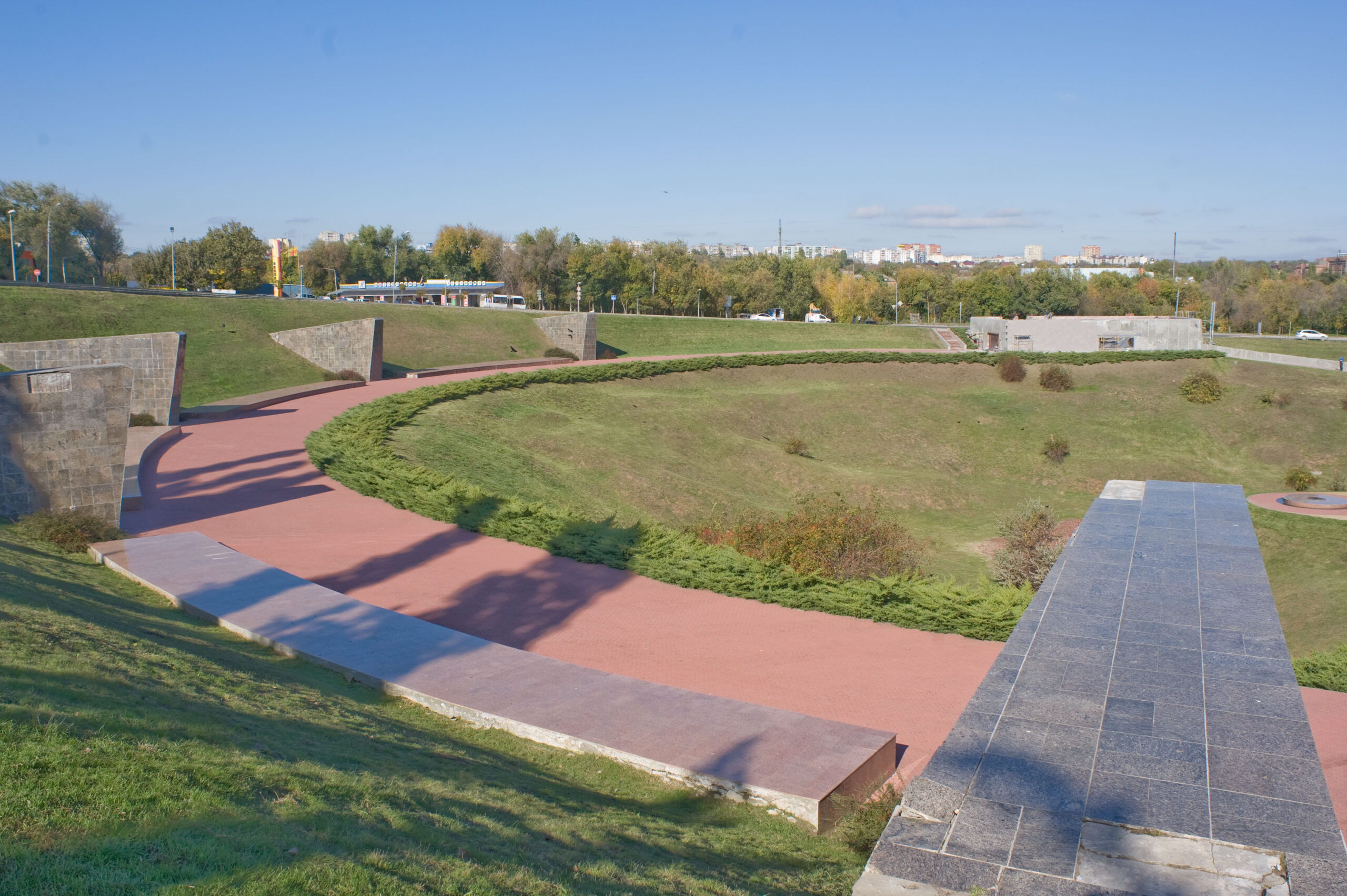
Sculptor Nikolai Avedikov championed the project. With city architect Norald Nersisyan leading the design team, and architects Ruben Muradyan and sculptors Boris and Evgenia Lapko contributing, they created a memorial park that follows the natural slope of the land — as seen in Brumfield's photographs. The design descends from the Mourning Hall at the entrance, down through the Avenue of Sorrow, to the Memory Platform below.
At the center stands a receptacle for the Eternal Flame, flanked by pillars resembling lowered banners. Construction was funded through donations from Rostov enterprises, with materials contributed by local factories.
On May 9, 1975, the memorial opened. By the early 2000s, it had fallen into ruin — the museum closed, pathways crumbled, the Eternal Flame extinguished. Restoration began in 2009, returning the site to dignity.
Then came the controversy. In 2004, a plaque had been installed clearly stating that the victims were Jews. In 2011, this was replaced with a new inscription that removed any mention of Jewish victims, referring only to "27,000 Soviet citizens." After two years of advocacy, a compromise was reached in 2013.
For a detailed account of this controversy, see "Змиевская Балка : Вопреки" : Zmieovskaya Balka; In Spite of Everything By: Yanina Chevelia (2013)
Sources
Wikipedia (Russian). "Массовые казни в Змиёвской балке" [Mass Executions in Zmiyevskaya Balka]. Wikipedia. https://ru.wikipedia.org/wiki/Массовые_казни_в_Змиёвской_балке
L.F. Voloshinova, "History and Modernity of Zmiyevskaya Balka," Don Timekeeper, 2013
Radio Liberty report, April 28, 2013