Voronezh
A synagogue on the edge of a battlefield — ruined during the German occupation of 1942–43, abandoned for decades, and now restored as a working shul with support from Chabad and Israeli donors.
A city on the front line
Voronezh is a provincial capital roughly five hundred kilometers south of Moscow, at the western edge of the Black Earth region. In the summer of 1942 it became, almost by geographic accident, one of the most contested places in Europe. The German Wehrmacht, driving southeast toward Stalingrad and the Caucasus as part of Operation Blue, struck Voronezh on July 6, 1942; Hungarian and Italian divisions of the Axis Army Group B held the western bank of the Voronezh River for the next seven months while the Red Army held the east.
The front line ran through the city itself. Street by street, building by building, Voronezh was fought over for more than two hundred days — a battle often overshadowed in Western histories by the simultaneous fighting at Stalingrad, but comparable in ferocity and, block for block, in destruction. When Soviet forces finally retook the city in the Voronezh–Kastornoye Offensive of January–February 1943, more than ninety percent of its built fabric was destroyed. Of the prewar population of more than three hundred thousand, only a few hundred residents were found alive in the ruins at the moment of liberation.
Voronezh's Jewish community — small before the war, numbering perhaps six thousand — was devastated in the same months. Those who had not evacuated east before the Wehrmacht arrived were murdered in mass shootings in the Peschany Log ravine on the city's western outskirts, where in August 1942 some 450 Jewish women, children, and elderly were killed by SS Einsatzkommando units. The site is today one of the principal Holocaust memorials in the region.
Ninety percent of Voronezh was rubble when the Red Army retook it in 1943. The synagogue was one of the few prewar buildings left standing — barely.
The wrecked synagogue
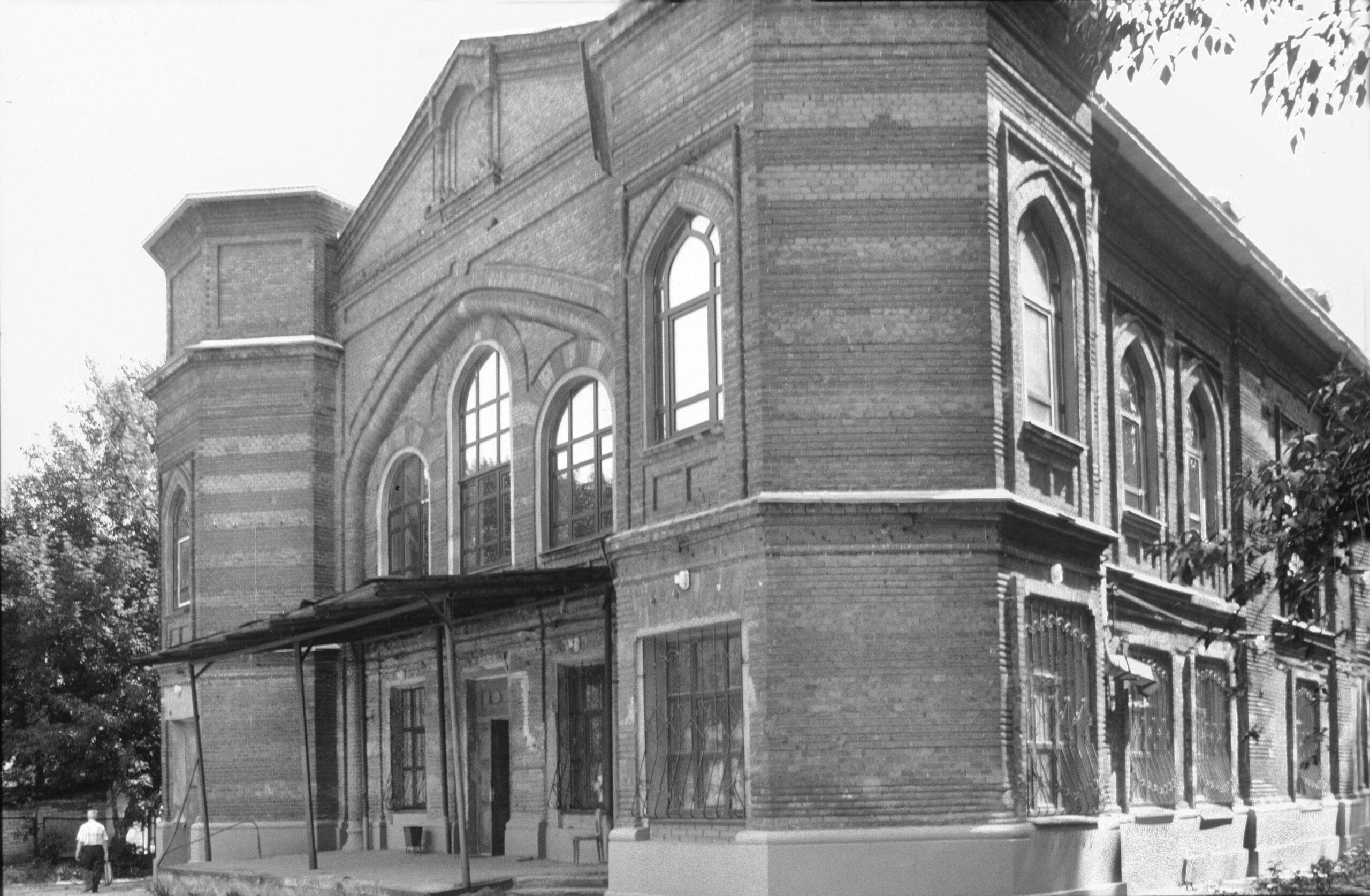
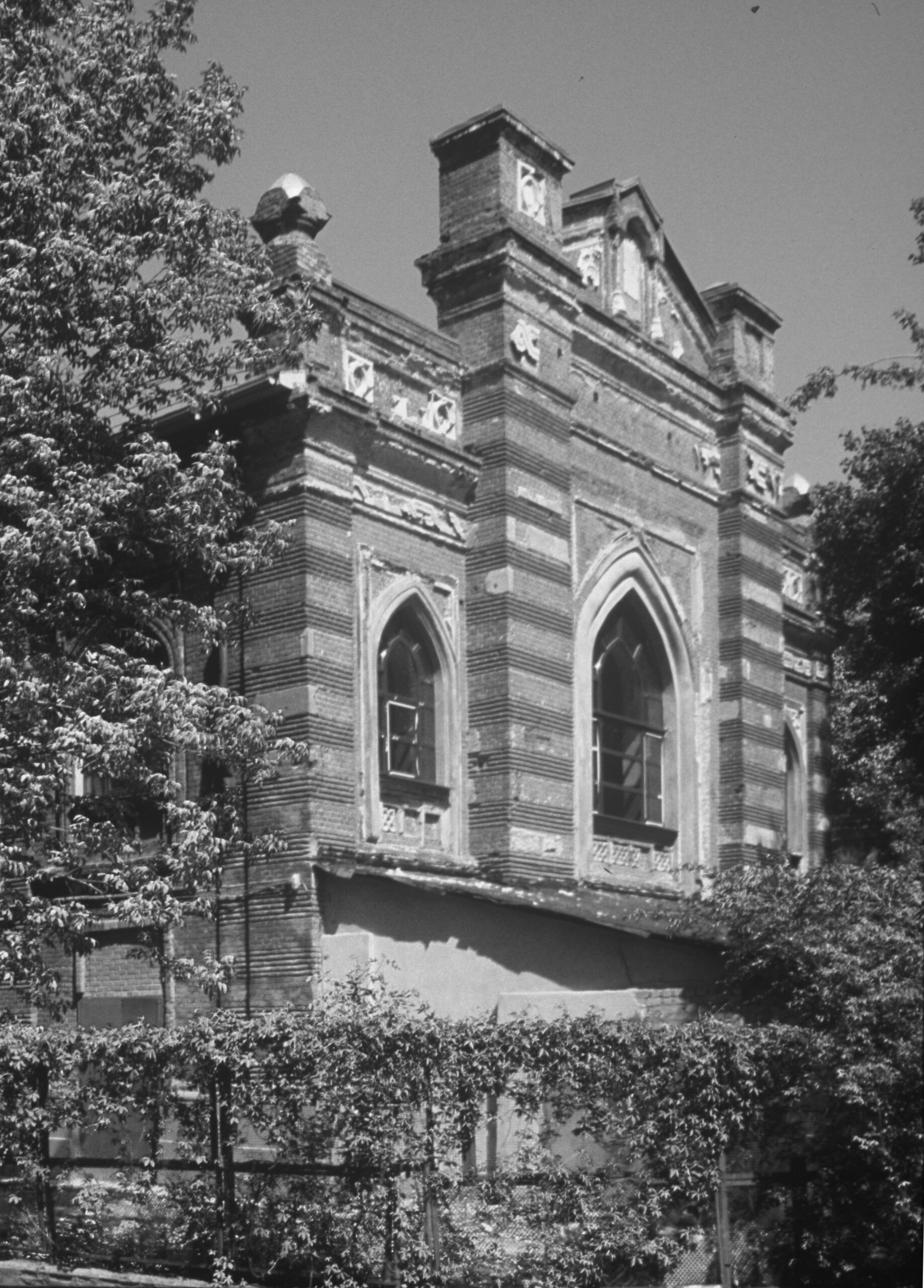
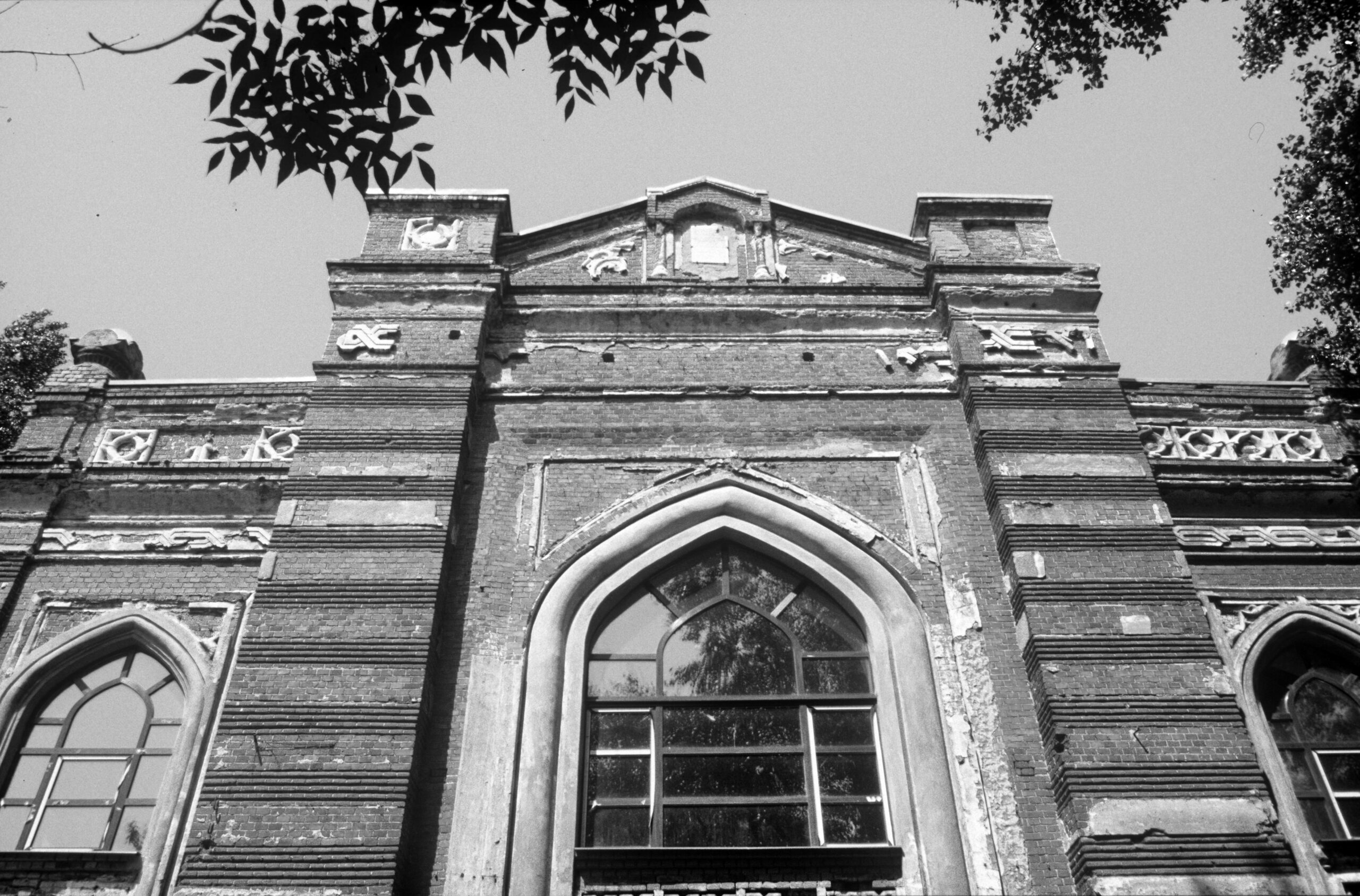
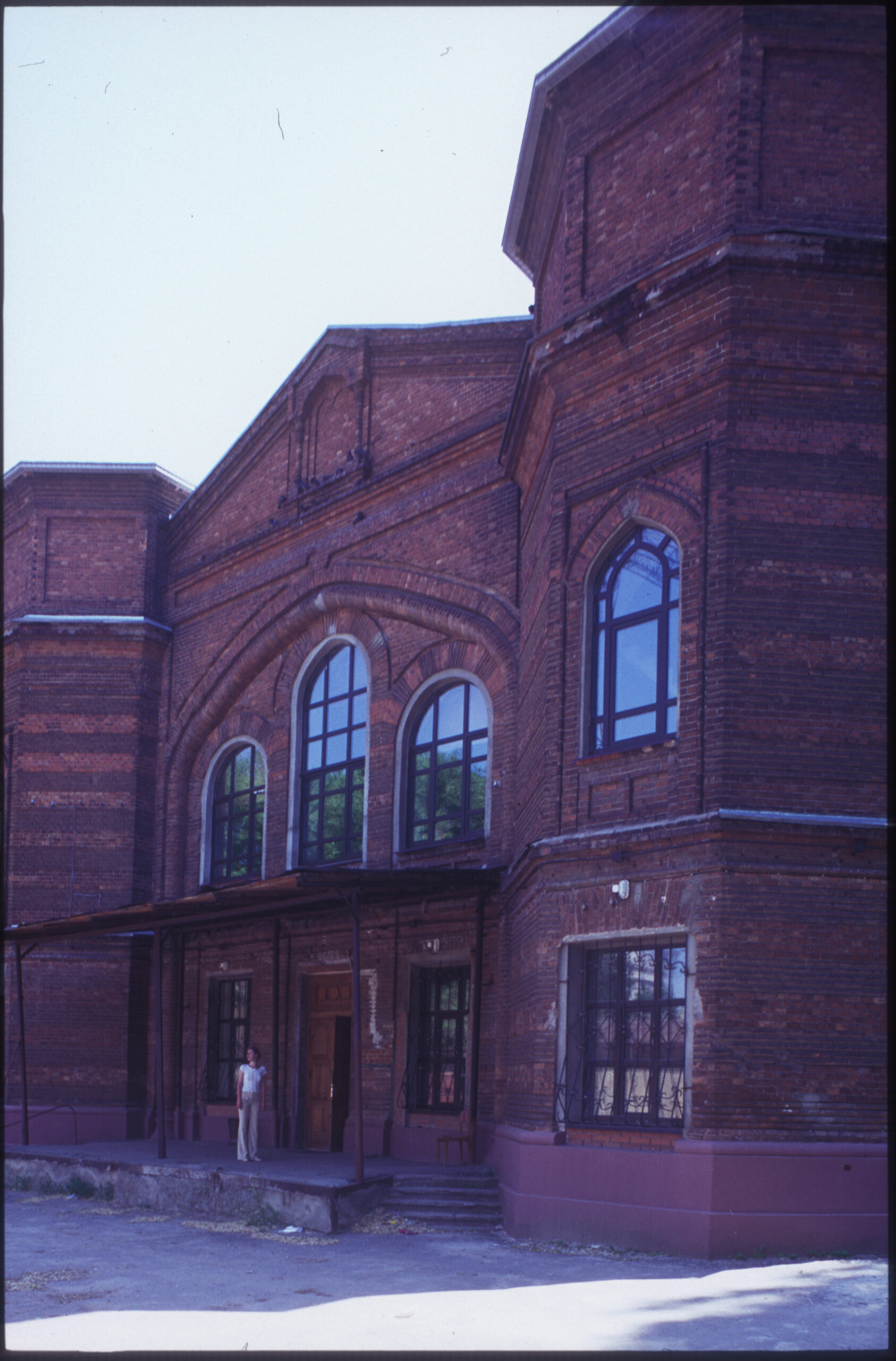
The Voronezh Choral Synagogue was built in 1903 on what is now Stankevich Street, in an eclectic revival style that combined Moorish ornamentation with the Russian brick idiom of the late imperial period. Its two-story masonry facade, with a gabled parapet and a central oculus flanked by paired Moorish arched windows, was the most architecturally distinctive Jewish building in the Black Earth region.
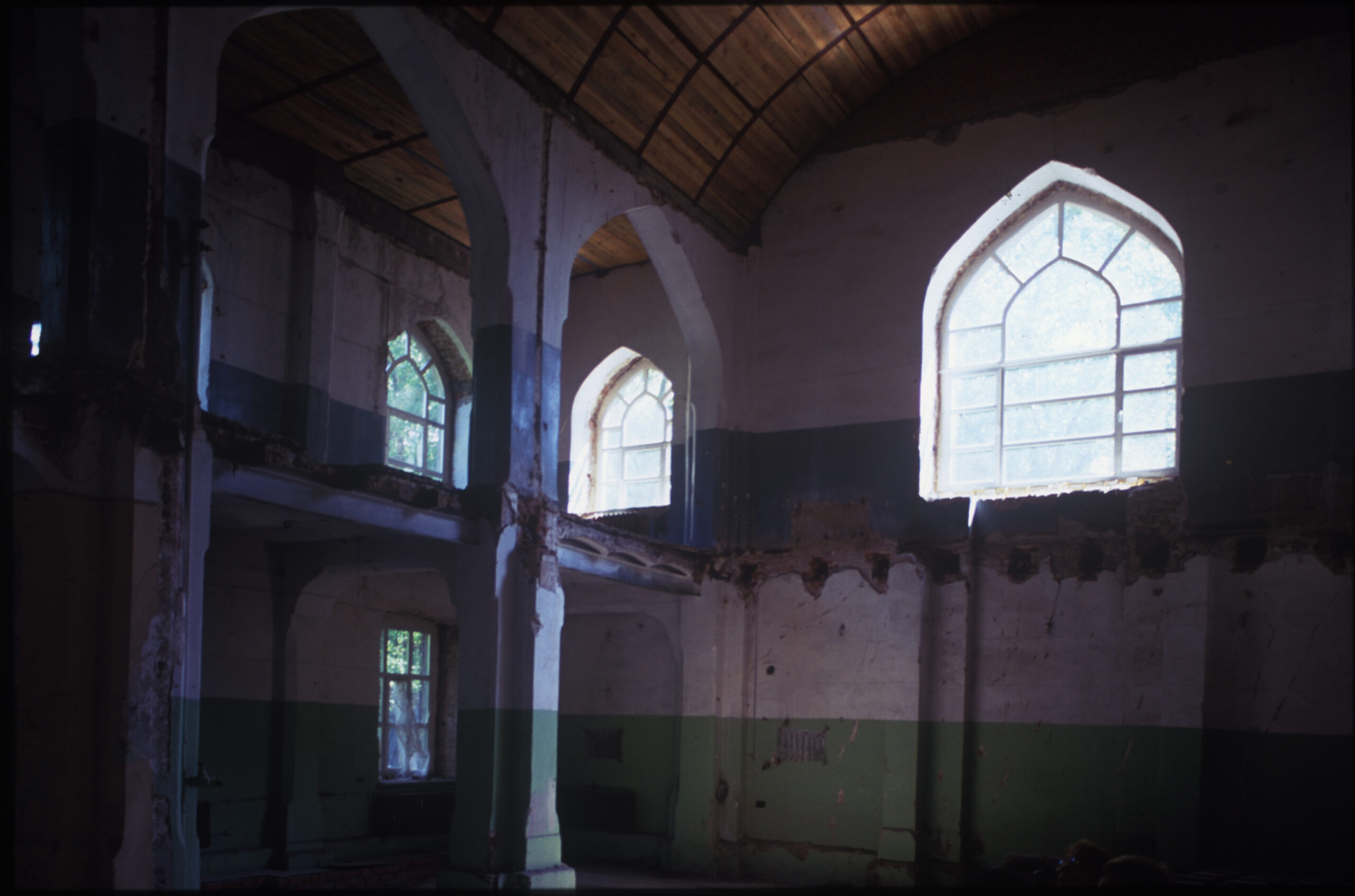
The building survived the 1942–43 battles, but only just. Artillery and streetfighting stripped off the roof, blew out the windows and interior partitions, and left the sanctuary gutted. The occupying forces used the standing shell as a stable and a storage depot. After the war, with the community that had worshipped there almost entirely destroyed, the Soviet authorities did not return the building to religious use; it was nationalized and, over the following half century, passed through a series of industrial tenants while the masonry slowly deteriorated.
A building returns
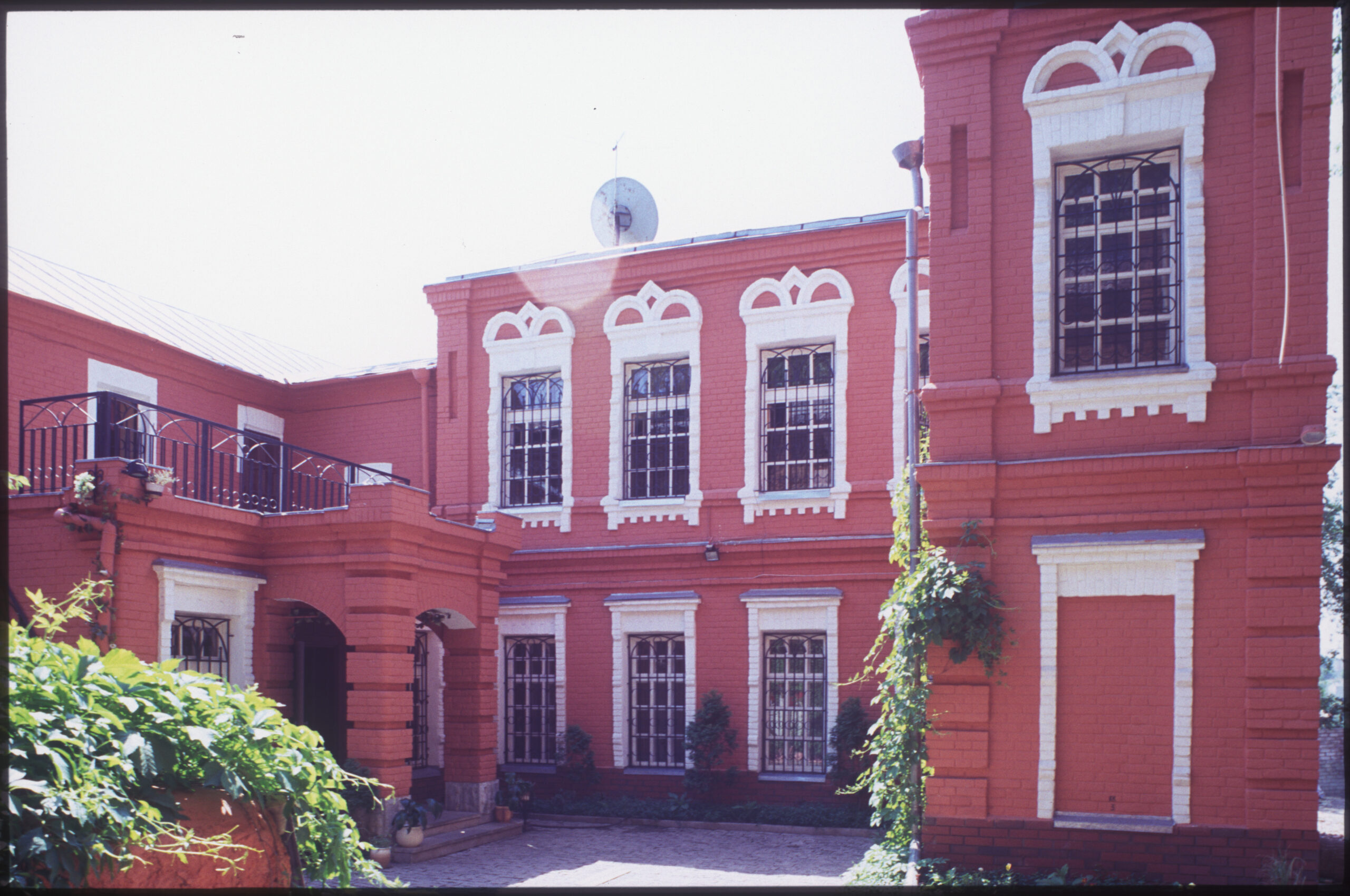
The synagogue's return to Jewish hands came slowly. The building was formally restituted to the Voronezh Jewish community in the mid-2000s, but in a condition that ruled out immediate use. Funding for stabilization and restoration came from two principal sources: the Federation of Jewish Communities of Russia, closely associated with the Chabad-Lubavitch movement, and private donors in Israel, many of them of Voronezh descent. Together they financed a multi-year program of structural work — re-roofing, replacement of windows, rebuilding of the upper-floor gallery, and restoration of the exterior detailing.
The building now functions again as a working synagogue, under Chabad auspices, serving a Jewish population estimated in the low thousands — a community rebuilt largely from postwar and post-Soviet arrivals. The restored sanctuary hosts regular services, a small cheder, and the communal events of the Voronezh Jewish Community Center. For a city whose prewar Jewish life was effectively annihilated in the summer of 1942, the reopening of the synagogue represents not a continuation so much as a deliberate act of restarting.
The surviving quarter
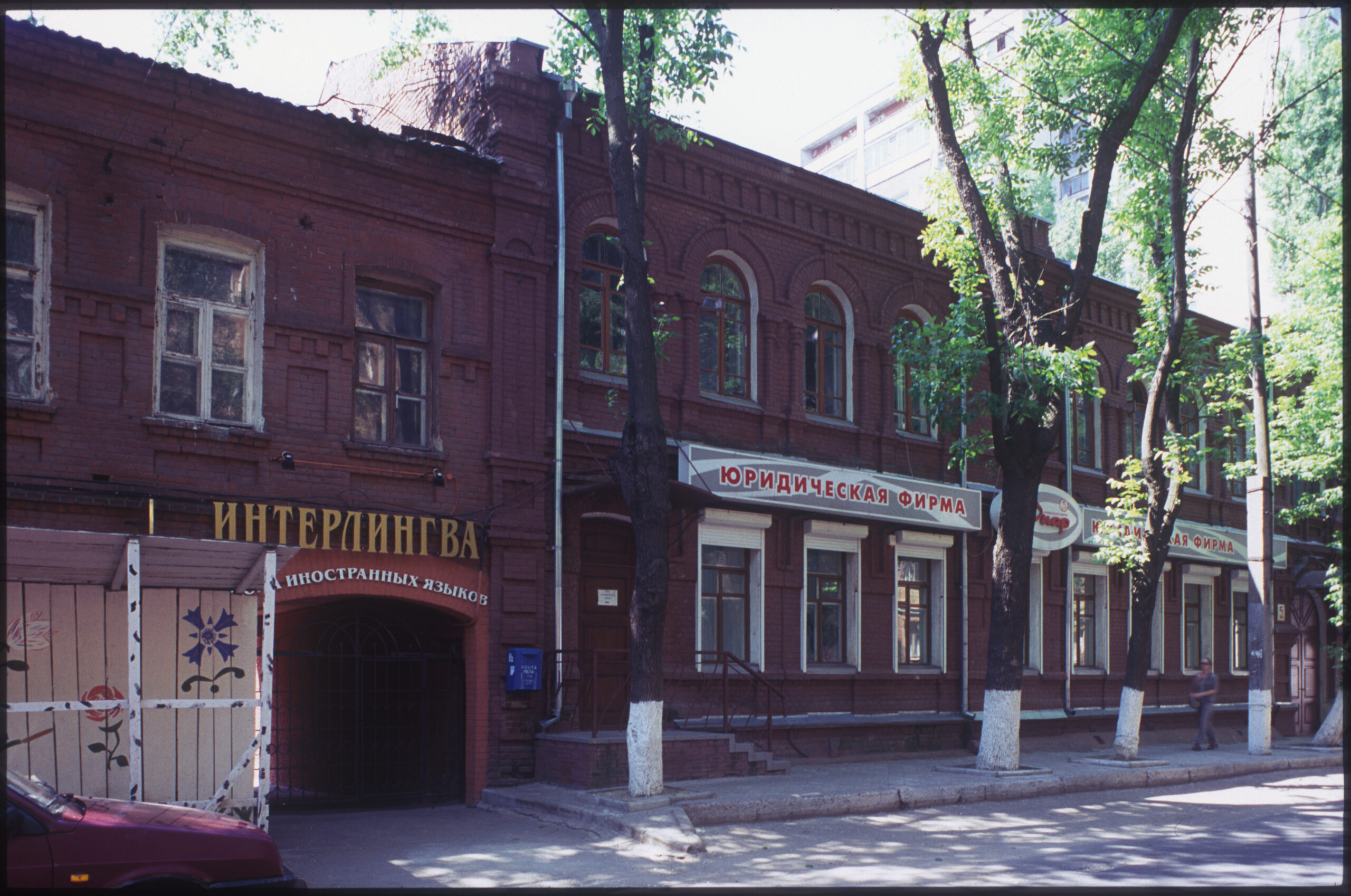
The blocks immediately around the synagogue preserve, in scattered form, the modest fragments of the prewar Jewish quarter that the battles of 1942–43 did not consume. A handful of late-imperial merchant houses and a low nineteenth-century row front survive on the streets adjacent to Stankevich, now reused as shops and offices. They stand, together with the synagogue, as rare material witnesses to a community whose documentary archive was largely destroyed with the city.